Heritage Site In India: Exploring Delhi's Historic Landmarks
-

- Published Updated
- 3,476 views
Delhi has a habit of putting the past right next to the present. A busy market can sit beside a centuries-old monument, and a modern road may lead straight to an old fort. That mix is part of what makes exploring a Heritage Site in India so interesting. You are not only looking at an old building. You are seeing a place that has survived changes in rulers, cities, cultures and everyday life.
Delhi is a good place to experience this layered history. Its heritage includes forts, tombs, towers and historic observatories, each telling a different story.
Why Delhi Is Important to India's Heritage
Delhi has been shaped by several periods of Indian history. Its monuments reflect different architectural styles, political changes and cultural influences.
Many historic sites are still surrounded by busy neighbourhoods. You can see everyday life happening around these old places, which makes the experience feel less removed from the present
Delhi Tourism lists several major monuments across the city, including Red Fort, Humayun's Tomb, Qutub Minar, Purana Qila and Jantar Mantar.
Red Fort
The Red Fort is hard to miss. Its huge red sandstone walls were built in the 17th century when Shah Jahan moved the Mughal capital to Delhi. Inside, the fort has courtyards, halls and other structures that give you a better sense of how the royal complex once functioned.
The area around the fort is interesting too. Step outside and you are right in Old Delhi, surrounded by busy streets, markets and neighbourhoods that have their own long history.
Humayun's Tomb
Humayun's Tomb has a very different feel from the Red Fort. The large garden, pathways and symmetrical layout make the place feel open and calm. Built in 1570, the tomb became an important example of the Mughal garden tomb style.
A visit does not have to end at the monument. The Nizamuddin area nearby has old buildings, gardens and living communities, so there is quite a bit more to explore around the site.
Qutub Minar
The first thing you notice about Qutub Minar is its height. The tower rises about 72.5 metres and is covered with detailed stonework and inscriptions.
There is more to see than the tower itself. The Qutb complex includes several other historic structures, so walking around the site gives you a better picture of how the area developed over different periods.
Purana Qila
Purana Qila brings another layer of Delhi's history into the picture. The fort is associated with some of the city's earliest historical traditions and is listed among Delhi's popular monuments.
Its broad walls and surviving structures offer a different architectural experience from the more elaborate Mughal tombs and towers elsewhere in the city.
Jantar Mantar
Jantar Mantar shows a completely different side of Delhi's past. Instead of royal halls or defensive walls, you find enormous instruments built for observing the sky.
The structures were designed to help with astronomical calculations using shadows and the movement of celestial bodies. Seeing the instruments up close gives you a better idea of how much calculation went into studying the sky before modern equipment existed
Understanding Delhi's Heritage Beyond Monuments
A monument can show you where history happened, but museums can help explain the people, objects and traditions connected with that history.
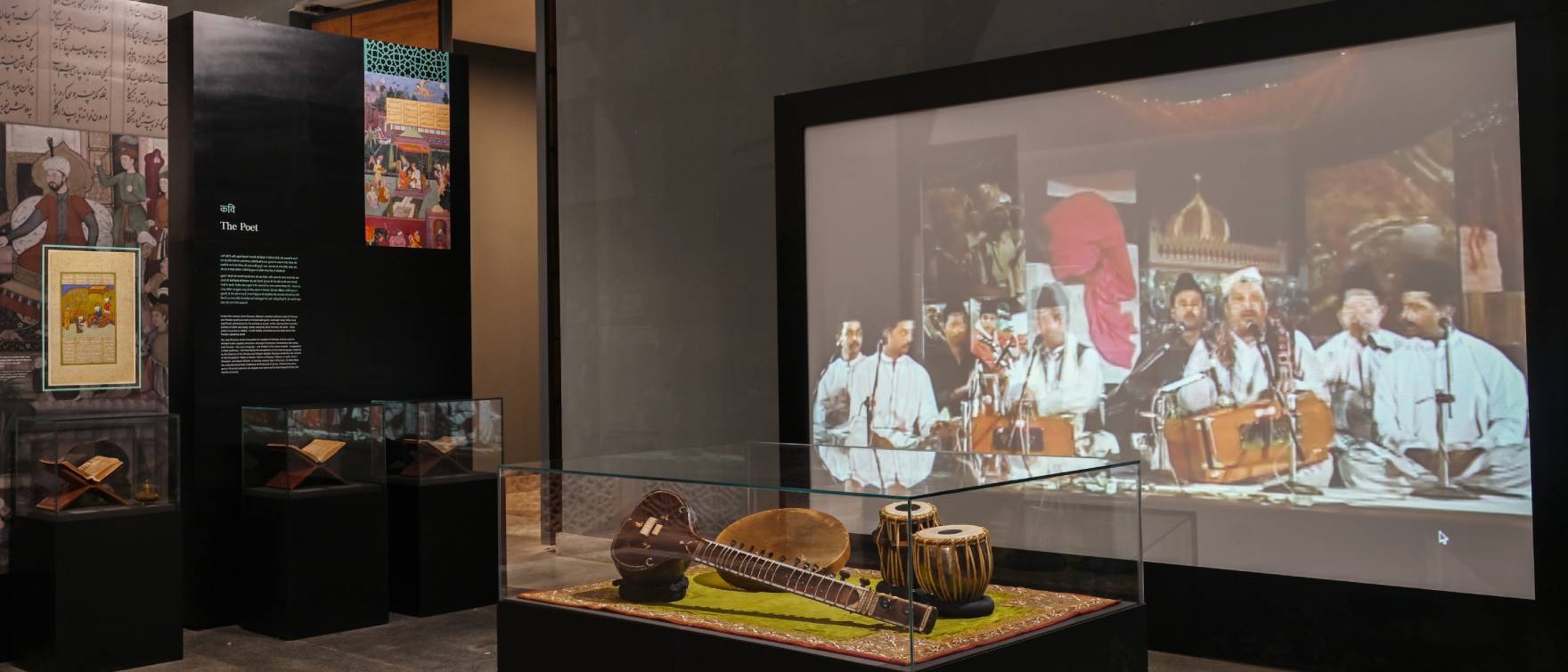
The HT Museum, officially the Humayun World Heritage Site Museum, is located at the entrance to the Humayun's Tomb World Heritage Site in Sunder Nursery. The museum helps visitors understand Mughal architecture, traditional building methods and how the Nizamuddin area developed over the centuries.
A visit here can add context to the monuments nearby. Instead of simply looking at an old structure, visitors can learn more about the cultural landscape surrounding it.
Making the Most of a Heritage Visit
You don't have to rush through Delhi's historic places just to say you've seen them. Look at the stonework, read an inscription, notice the layout of the gardens, and spend a little time understanding what you are actually looking at.
A Heritage Site in India is more than an old structure. The people who built it, used it and lived around it are part of the story too. Take your time, ask questions, and let the place speak for itself.
FAQs
What are some important heritage sites in Delhi?
Red Fort, Humayun's Tomb, Qutub Minar, Purana Qila and Jantar Mantar are among Delhi's well-known heritage attractions.
Which Delhi heritage sites are UNESCO World Heritage Sites?
Delhi's UNESCO World Heritage monuments include Red Fort, Humayun's Tomb and Qutub Minar.
Why is Humayun's Tomb important?
Humayun's Tomb is an important example of Mughal garden tomb architecture and was built in 1570. Its design influenced later Mughal architectural development.
What can visitors learn at HT Museum?
The museum explores the heritage of the Nizamuddin area, including its architecture, building traditions and wider cultural history.
How many heritage sites should you visit in one day?
There is no fixed number. Visiting one or two sites at a comfortable pace can be more enjoyable than rushing through several monuments.