Uttarakhand Handicrafts: Exploring the Rich Art, Culture and Traditional Craftsmanship of the Himalayas
-

- Published Updated
- 164 views
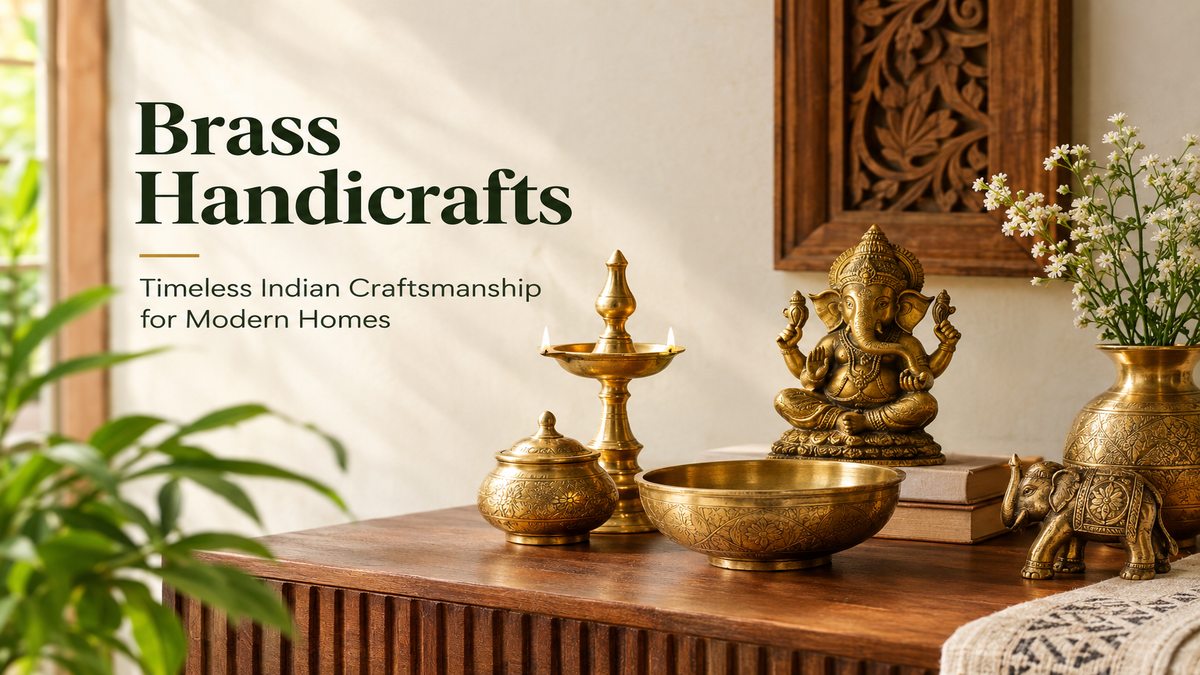
Uttarakhand, often called Devbhoomi, is known for its beautiful Himalayan landscapes, ancient temples, rich traditions, and vibrant cultural heritage. Beyond its natural beauty, the state is also home to a remarkable variety of traditional handicrafts that reflect the creativity, knowledge, and artistic skills of local communities.
From intricate Aipan art and beautifully woven woollen products to bamboo baskets, wooden carvings, metal utensils, and handmade decorative items, Uttarakhand handicrafts represent a close connection between people, nature, and tradition. Many of these crafts have been passed down through generations, with artisans preserving traditional techniques while adapting their work to changing lifestyles.
Today, these handicrafts are appreciated not only for their cultural significance but also for their ability to bring authenticity and individuality to modern homes. Understanding these traditional art forms helps us recognise the importance of supporting local artisans and preserving the artistic heritage of the Himalayan region.
What Makes Uttarakhand Handicrafts Unique?
The uniqueness of Uttarakhand handicrafts comes from the state's geography, natural resources, cultural traditions, and community-based craftsmanship. The mountainous environment has influenced the materials used by artisans, while religious beliefs, festivals, and everyday life have inspired many traditional designs.
Several features make these handicrafts special:
Natural materials: Wood, bamboo, ringal, wool, stone, and metals are used to create functional and decorative products.
Regional identity: Different areas of Uttarakhand have their own artistic traditions, patterns, and techniques.
Handmade details: Many products are created through labour-intensive processes that require patience and practical skill.
Cultural significance: Designs often reflect local beliefs, religious symbolism, folklore, and connections with nature.
Practical usefulness: Traditional craftsmanship produces everyday objects as well as decorative and ceremonial items.
Unlike mass-produced products, handmade crafts often carry subtle variations that reflect the artisan's individual approach. These details give each item a distinct character and make traditional handicrafts valuable expressions of cultural identity.
1. Aipan Art: The Traditional Folk Art of Uttarakhand
Aipan is one of the best-known traditional art forms of the Kumaon region of Uttarakhand. Traditionally created by women, this folk art is associated with religious ceremonies, festivals, weddings, and other auspicious occasions.
Aipan designs commonly feature geometric arrangements, symmetrical patterns, floral forms, footprints, and religious motifs. Traditionally, artists create designs on a red or ochre background using white rice paste. The contrast between the background and the white patterns gives Aipan its distinctive appearance.
Cultural Significance of Aipan
Aipan is more than a decorative art form. Its motifs and arrangements are connected with local customs, spiritual beliefs, and celebrations. Specific designs may be created for different occasions, including festivals and household rituals.
Traditionally, Aipan was painted on floors, courtyards, walls, and places used for worship. Today, the art form has expanded into contemporary products such as wall hangings, trays, paintings, notebooks, decorative panels, and other home accessories.
This evolution allows Aipan to reach new audiences while maintaining its connection with Kumaoni heritage. By purchasing authentic Aipan-inspired products from responsible craft businesses, consumers can help increase awareness of the artists and traditions behind the designs.
2. Ringal and Bamboo Handicrafts
Ringal is a type of dwarf bamboo traditionally used by communities in Uttarakhand to make practical household objects. Its flexibility, strength, and availability in suitable areas make it useful for weaving a variety of products.
Traditional ringal craftsmanship includes baskets, containers, storage items, and other woven objects used in everyday life. The process generally involves preparing the material, splitting it into suitable strips, and weaving it into the desired shape.
Why Ringal Craft Matters
Ringal products demonstrate how local communities have developed practical solutions using resources available in their surroundings. The craft requires an understanding of the material, as well as skill in creating strong and balanced woven structures.
Modern consumers are increasingly interested in natural textures and handmade objects. Ringal and bamboo products can fit into contemporary homes as storage baskets, planters, organisers, and decorative accessories.
However, responsible production matters. Sustainable harvesting, suitable material preparation, fair compensation, and access to markets are important for maintaining the craft over time.
3. Woollen Handicrafts and Traditional Weaving
Uttarakhand's cold mountain climate has encouraged the development of wool-based crafts and weaving traditions. Wool has traditionally been used to create clothing, blankets, shawls, socks, caps, and other products designed to provide warmth.
In different Himalayan communities, weaving techniques and product styles vary according to local traditions, available materials, and practical needs. Some products feature simple, functional designs, while others include stripes, geometric patterns, and decorative borders.
The Importance of Handwoven Products
Handwoven textiles represent a combination of technical knowledge and cultural expression. The quality of the finished fabric depends on factors such as the fibre, yarn preparation, weaving technique, and finishing process.
Today, traditional woollen products can be used in both clothing and home interiors. Handwoven blankets, cushions, rugs, and throws can add warmth and texture to living spaces without relying on elaborate decoration.
Supporting genuine handloom and artisan-made products can help maintain weaving skills and create opportunities for craftspeople. Buyers should look for clear information about the material, manufacturing process, and origin of the product.
4. Wooden Handicrafts and Carved Woodwork
Wood has long been an important material in the traditional architecture and craftsmanship of Uttarakhand. In several parts of the state, particularly in older Himalayan settlements, carved wooden doors, windows, pillars, and architectural details demonstrate the skill of local craftspeople.
Wood carving may feature floral patterns, geometric designs, religious imagery, and motifs inspired by the surrounding natural environment. The level of detail varies according to the region, purpose, and style of the object.
Wooden Crafts in Modern Homes
Contemporary wooden handicrafts include carved panels, small decorative objects, wall hangings, boxes, and household accessories. These products can introduce natural grain, texture, and warmth into modern interiors.
A carefully selected wooden piece can complement minimalist furniture, neutral colour palettes, and natural materials such as linen, cotton, and stone.
When buying wooden crafts, it is worth checking the type and source of wood, the quality of the carving, and whether the material has been responsibly sourced. Preserving traditional craftsmanship should go hand in hand with protecting forest resources.
5. Metal Handicrafts: Brass, Copper and Traditional Utensils
Metal craftsmanship has an important place in the wider handicraft traditions of Uttarakhand. Brass, copper, and other metals have been used for utensils, religious objects, decorative products, and household items.
Traditional metal objects often combine utility with visual appeal. Their shapes, proportions, finishes, and surface details reflect the intended purpose of each product and the skills involved in making it.
Traditional Metalware in Everyday Life
Brass and copper products can be found in the form of bowls, plates, containers, worship accessories, and decorative objects. Depending on the item and its intended use, metal products may feature polished surfaces, hammered textures, engraved details, or simpler functional finishes.
Metal handicrafts can also be incorporated into modern interiors. A brass bowl on a wooden table, a copper vessel on an open shelf, or a traditional metal accessory in a prayer space can create an interesting contrast between old and new design styles.
Consumers should distinguish decorative products from utensils intended for food contact. Food-safe finishes, material composition, cleaning instructions, and suitability for specific uses are important considerations when purchasing traditional metalware.
6. Stone Craft and Traditional Himalayan Architecture
Stone is closely associated with the built heritage of Uttarakhand. Traditional Himalayan architecture often uses locally available stone in houses, temples, retaining walls, and other structures.
Stone craftsmanship can involve shaping, cutting, carving, and arranging pieces to create both functional structures and decorative elements. In certain architectural traditions, carved details contribute to the visual identity of temples and historic buildings.
Modern stone-based handicrafts may include small sculptures, carved decorative objects, and pieces designed for gardens or interior spaces.
The appeal of stone craft lies in its natural texture, durability, and connection with the surrounding landscape. Even a small stone object can introduce an earthy quality into a room.
At the same time, stone is heavy and requires careful handling. Buyers should consider the product's weight, installation requirements, finish, and source before choosing stone decorations for their homes.
7. Traditional Jewellery and Decorative Accessories
Uttarakhand has a rich tradition of regional jewellery associated with local customs, festivals, and ceremonies. Traditional ornaments may be made from gold, silver, and other materials, with designs that vary across communities.
Kumaoni and Garhwali cultural traditions include distinctive ornaments worn during weddings and other important occasions. These pieces can carry social, ceremonial, and personal significance beyond their decorative appearance.
Traditional accessories also reflect the relationship between clothing, identity, and regional heritage. Their designs may inspire contemporary jewellery and fashion accessories that combine familiar motifs with modern forms.
When exploring traditional jewellery, it is useful to understand the regional context and distinguish heritage-inspired designs from authentic traditional pieces. Responsible makers should communicate materials, production methods, and design influences clearly.
8. Handmade Home Décor Inspired by Uttarakhand
Traditional crafts are increasingly finding a place in modern home décor. People who prefer simple interiors often use handmade products to introduce texture, character, and cultural meaning without making a room feel crowded.
Uttarakhand's craft traditions offer several possibilities for decorating a home:
Aipan wall art: Introduces geometric patterns and a connection with Kumaoni folk traditions.
Ringal baskets: Provide practical storage while adding a natural woven texture.
Wooden decorative pieces: Bring warmth and complement natural furniture.
Brass and copper accessories: Add visual contrast and traditional character.
Woollen textiles: Create a comfortable atmosphere through texture and warmth.
Handmade trays and containers: Combine everyday usefulness with regional design influences.
How to Combine Traditional Crafts With Modern Interiors
The best way to use handmade décor is to select pieces that work with the room's existing colours, materials, and proportions.
For example, a single Aipan artwork can become the focal point of a neutral living room. A woven ringal basket can sit beside a sofa or hold indoor plants, while a small brass accessory can add detail to a wooden shelf.
Rather than displaying too many objects together, choose a few pieces that have personal meaning or an interesting story. This approach allows each item to stand out and helps maintain a balanced appearance.
Natural materials, simple furniture, and carefully selected traditional accents can work together without making a space feel overly decorated.
9. The Role of Uttarakhand Handicrafts in Supporting Local Artisans
Traditional handicrafts are important not only for their beauty but also for the skills, livelihoods, and cultural knowledge they represent. Many craft techniques depend on practical experience passed from one generation to another.
However, artisans can face challenges such as limited access to buyers, competition from inexpensive machine-made goods, changing consumer preferences, and difficulties in sourcing materials.
Responsible purchasing can contribute to the continued practice of traditional crafts. When consumers value handmade work, they help create demand for products that require time, knowledge, and specialised skills.
How Consumers Can Support Traditional Crafts
There are several practical ways to support artisan communities:
Buy from credible craft businesses: Choose sellers who provide clear information about their products and production methods.
Learn about the craft: Understanding a product's cultural and regional background helps buyers appreciate its value.
Pay attention to quality: Handmade items require skill and labour, so extremely low prices may not reflect the actual work involved.
Share authentic craft stories: Introduce friends and family to traditional art forms and the communities that practise them.
Choose useful, long-lasting products: Buying thoughtfully can help reduce unnecessary consumption.
Respect regional traditions: Appreciate the original context of cultural motifs and avoid treating meaningful symbols as interchangeable decoration.
These steps can help traditional crafts remain relevant while ensuring that cultural heritage is treated with respect.
10. How Digital Platforms Are Making Uttarakhand Handicrafts More Accessible
Digital platforms have created new opportunities for traditional handicrafts to reach people beyond their local markets. Artisans and craft-focused businesses can use online catalogues, websites, and social media to introduce products to customers in different cities and countries.
Online access also allows buyers to explore regional crafts that may not be available in nearby physical stores. Product photographs, descriptions, and information about materials can help people understand the differences between various craft traditions.
Baaduli is one example of a platform that showcases handicrafts and traditional products connected with Uttarakhand's cultural heritage. Exploring such platforms can help consumers discover regional art forms, handmade accessories, metal products, and decorative pieces while learning more about the traditions behind them.
When shopping online, buyers should look beyond attractive photographs. Information about the product's origin, materials, dimensions, intended use, and care requirements can help them make better decisions. Clear artisan attribution and transparent product descriptions are also valuable signs of responsible craft presentation.
Digital visibility alone does not guarantee that every product is handmade or directly produced by an artisan. Consumers should review available product information and ask questions when the manufacturing process is unclear.
11. The Future of Uttarakhand Handicrafts
The future of Uttarakhand handicrafts depends on balancing traditional knowledge with changing markets and contemporary lifestyles. Younger consumers may be interested in products that combine regional design with practical use, while international buyers may value the individuality and cultural background of handmade goods.
Innovation can help crafts evolve. Aipan art can appear on contemporary decorative products, traditional weaving can inspire modern textiles, and natural materials can be used in functional home accessories.
However, innovation should not erase the knowledge and identity behind a craft. Recording traditional techniques, creating training opportunities, ensuring fair payment, and connecting artisans with reliable markets are important for long-term preservation.
Tourism, educational workshops, cultural exhibitions, and responsible online retail can also increase awareness of Uttarakhand's artistic traditions.
Ultimately, preserving a craft means more than displaying its finished products. It means respecting the people, materials, skills, and cultural knowledge that make the craft possible.
Conclusion
Uttarakhand handicrafts offer a meaningful introduction to the artistic and cultural heritage of the Himalayan region. From the symbolic patterns of Aipan art and the practical beauty of ringal weaving to wooden carvings, woollen textiles, and traditional metalware, these crafts reflect generations of creativity and knowledge.
Their relevance extends beyond museums and cultural celebrations. Handmade products can become part of everyday life, adding texture to modern interiors, supporting thoughtful consumption, and keeping regional traditions visible.
By learning about different craft forms, choosing products carefully, and supporting responsible craft businesses, consumers can contribute to the continued appreciation of Uttarakhand's heritage. Platforms such as Baaduli help make these traditional products more accessible to people who want to discover regional craftsmanship and bring a piece of India's artistic heritage into their homes.
The real value of Uttarakhand handicrafts lies not only in what artisans create, but also in the traditions and stories that each piece helps carry forward.
Frequently Asked Questions (FAQs)
1. What are the famous handicrafts of Uttarakhand?
Some well-known craft traditions and products associated with Uttarakhand include Aipan art, ringal and bamboo weaving, woollen textiles, wooden carvings, traditional metalware, stone craftsmanship, and regional jewellery.
2. What is Aipan art in Uttarakhand?
Aipan is a traditional folk art associated with the Kumaon region. It commonly features white geometric and symbolic patterns created on a red or ochre background, especially for religious ceremonies and auspicious occasions.
3. What materials are used in Uttarakhand handicrafts?
Depending on the craft, artisans may use wood, ringal, bamboo, wool, stone, brass, copper, and other locally or commercially sourced materials.
4. Why are Uttarakhand handicrafts important?
They preserve regional traditions, demonstrate the skills of local artisans, support craft-related livelihoods, and provide a connection to the cultural identity of Himalayan communities.
5. Can Uttarakhand handicrafts be used in modern home décor?
Yes. Aipan wall art, woven baskets, wooden accessories, metal decorations, and woollen textiles can complement modern interiors when selected to suit the room's colours, textures, and available space.
6. How can I buy authentic Uttarakhand handicrafts online?
Explore established craft-focused websites and sellers, check product descriptions and materials, and look for information about the craft's origin and production process. Ask the seller for clarification if the product's handmade status is unclear.
7. How can consumers support local artisans in Uttarakhand?
Consumers can purchase responsibly sourced handmade products, pay fair prices, learn about traditional techniques, share information about regional crafts, and support businesses that communicate transparently about their products.
8. Where can I explore traditional Uttarakhand handicrafts online?
Craft-focused platforms such as Baaduli provide an opportunity to explore traditional handicrafts and products associated with Uttarakhand. Reviewing product details can help you understand the materials, uses, and design features of individual items.
9. Are Uttarakhand handicrafts suitable for gifting?
Yes. Handmade decorative pieces, woven baskets, traditional artwork, metal accessories, and selected textile products can make thoughtful gifts for festivals, weddings, housewarmings, and other special occasions.
10. How can traditional handicrafts be preserved for future generations?
Traditional crafts can be preserved through artisan training, documentation of techniques, fair market access, responsible material sourcing, cultural education, and greater public appreciation of handmade products.
Final Thought: Uttarakhand's handicrafts are living expressions of Himalayan culture. Supporting their makers and learning the stories behind their work can help ensure that these valuable traditions continue to inspire future generations.