Top Demand Generation Channels for B2B Marketers: Strategy & Measurement
-
- February 23rd, 2026
- 1,430 views

FREE SEO Topical Map Generator: Find Your Next Content Ideas
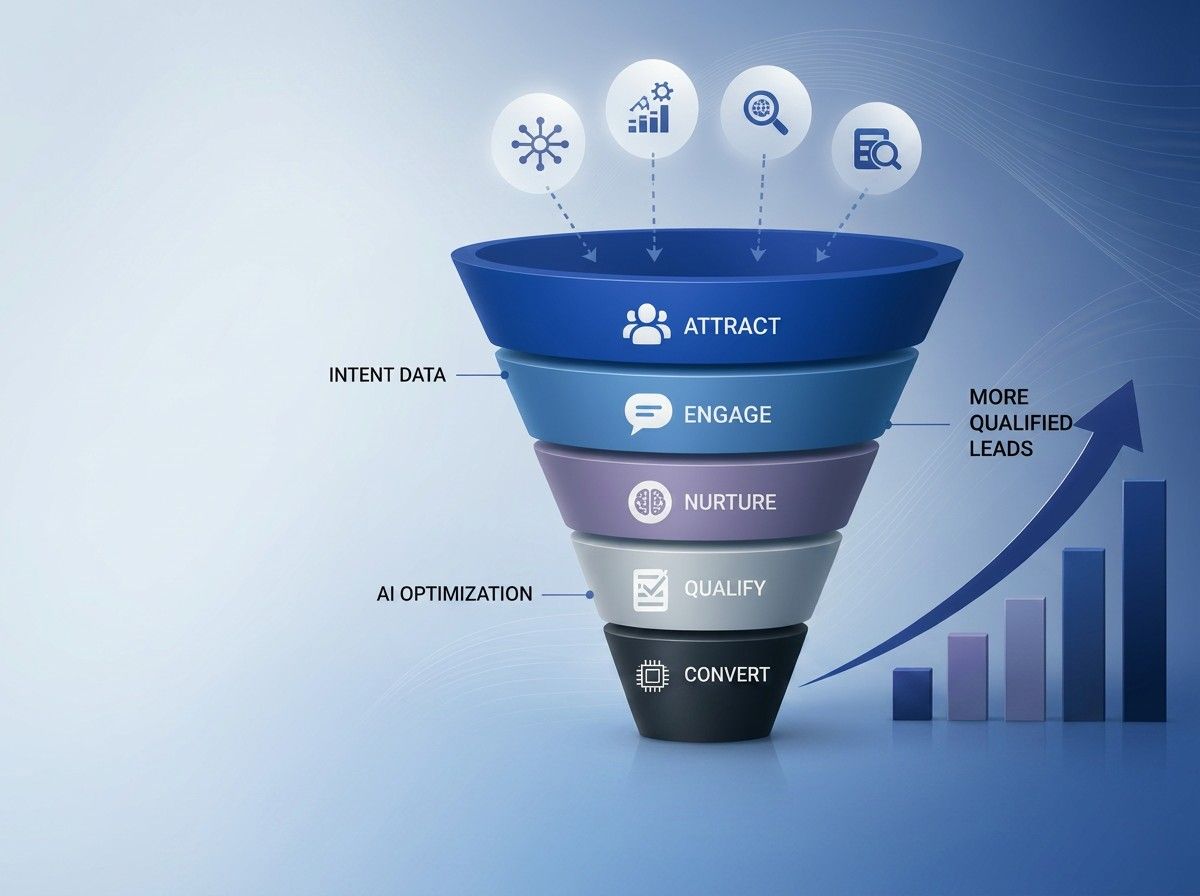
The Demand Generation channel for B2B is the set of marketing activities and touchpoints used to create awareness, interest, and pipeline among business buyers. Effective demand generation combines content, advertising, events, account-based approaches, and automation to move target accounts from discovery to qualified opportunities.
- Demand generation focuses on creating demand across the buyer journey rather than only capturing leads.
- Main channels include content marketing, SEO, paid media, social advertising, webinars/events, email nurture, and account-based marketing (ABM).
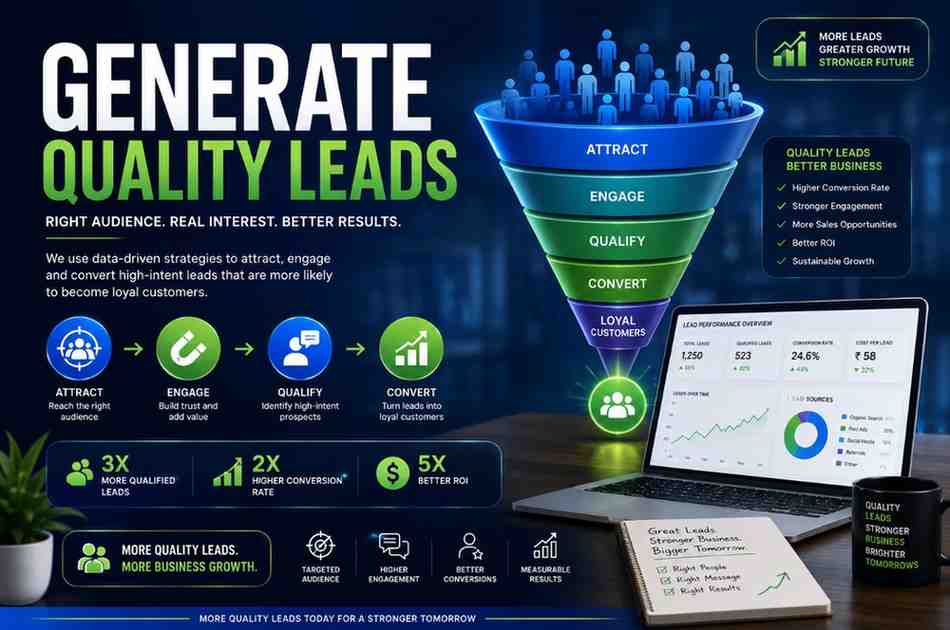
- Choose channels based on buyer persona, sales cycle length, budget, and measurable KPIs like MQLs, SQLs, pipeline contribution, and cost per opportunity.
- Measurement and attribution are essential; ensure compliance with data-privacy rules such as GDPR, CCPA and advertising guidelines from regulators.
Demand Generation channel for B2B: core channel types
Content marketing and SEO
Long-form content, white papers, research reports, and SEO-optimized articles drive organic discovery and establish thought leadership. Content aligned to stages of the buyer journey (awareness, evaluation, decision) supports lead nurturing and organic search visibility.
Paid search and display
Paid search (search ads) captures high-intent queries, while display and programmatic ads drive awareness across industry sites. Use targeted landing pages and clear conversion events to turn ad traffic into measurable leads.
Social advertising and native promotion
LinkedIn-style professional networks and other business-focused platforms enable firmographic targeting (industry, role, company size). Sponsored posts and in-feed ads work well for promoting gated content and webinars.
Webinars, virtual events, and in-person events
Events create high-touch engagement and qualify interest rapidly. On-demand webinars extend the lifespan of event content and feed nurture streams for longer sales cycles.
Account-based marketing (ABM)
ABM focuses resources on high-value target accounts using personalized campaigns across channels. ABM integrates sales and marketing to accelerate complex B2B deals.
Email nurture and marketing automation
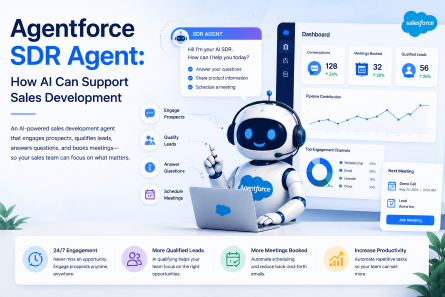
Automated nurture sequences convert awareness into marketing-qualified leads (MQLs) and keep leads engaged during long decision cycles. Integration with a CRM system ensures lead status sync and handoff to sales.
Partnerships, referral programs, and channel marketing
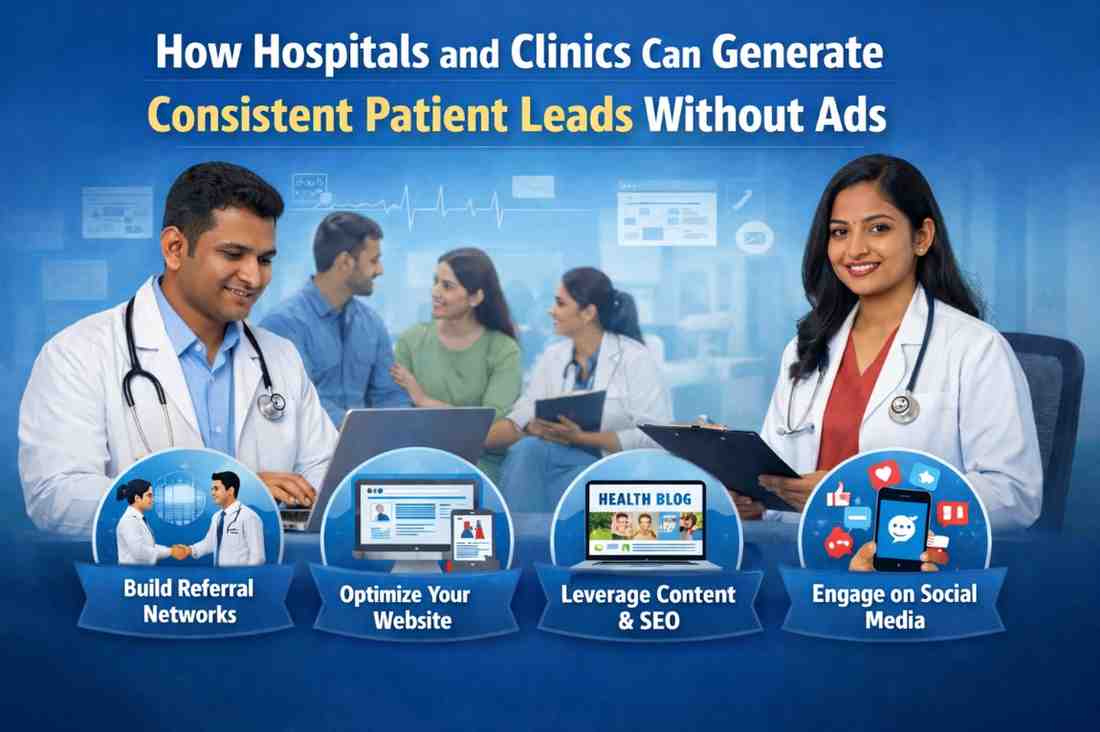
Co-marketing with complementary firms, reseller channels, and referral incentives expand reach into new buyer networks without always increasing ad spend.
How to select the right channels
Match channels to buyer persona and journey
Map the buyer personas and decision steps to channel strengths. Short transactional buys favor paid search; strategic, multi-stakeholder purchases benefit from ABM, events, and consultative content.
Evaluate resources and capabilities
Consider content production capacity, ad budget, creative resources, and analytics expertise. Some channels require sustained content and optimization; others scale with media spend.
Test, learn, and scale
Run small experiments with clear success criteria (CPL, cost per opportunity, pipeline value) before committing large budgets. Use A/B testing for creative and landing pages to improve conversion rates.
Measurement, attribution, and KPIs
Key metrics
Track metrics that tie to revenue: marketing-qualified leads (MQLs), sales-qualified leads (SQLs), pipeline created, opportunity conversion rate, cost per opportunity, and return on marketing investment (ROMI).
Attribution models
Implement multi-touch attribution where possible to account for the full path to conversion. For complex sales, account-level metrics (pipeline velocity and deal size) are often more meaningful than single-lead attributions.
Data and analytics
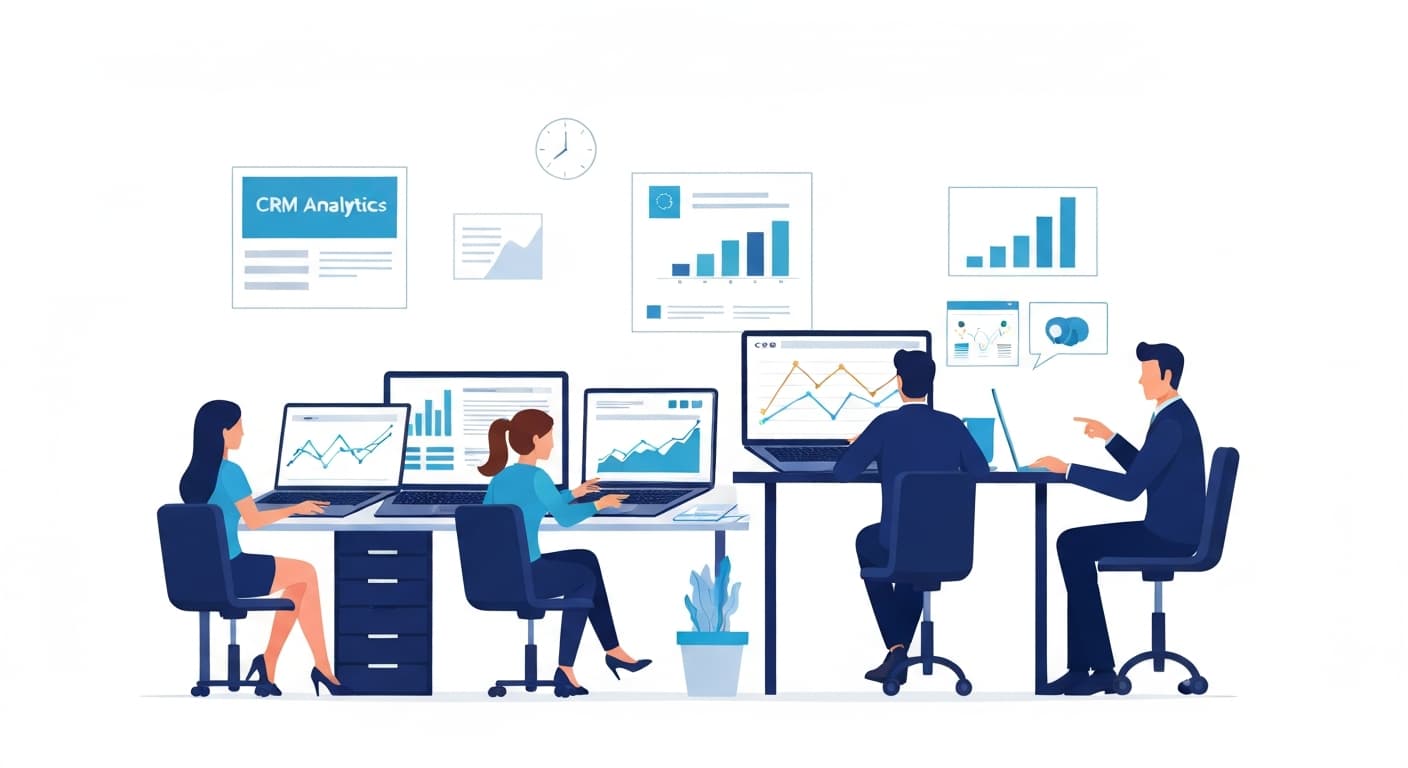
Integrate CRM, marketing automation, ad platforms, and web analytics to build a single source of truth. Regularly audit data for accuracy to avoid misleading conclusions.
Compliance, privacy, and regulatory considerations
Follow data-protection rules
Ensure consent, data minimization, and secure handling of contact data in line with laws such as GDPR and CCPA. For advertising and email practices, follow guidelines and enforcement notices issued by regulators; for example, the U.S. Federal Trade Commission provides guidance on advertising and marketing practices.
FTC: Advertising and Marketing
Maintain transparency and opt-out options
Provide clear privacy notices and easy unsubscribe or data-removal options. Keep records of consent where required and document legitimate interest assessments if used.
Implementation checklist
- Define target accounts and buyer personas with sales input.
- Map content to each buyer stage and channel.
- Set measurable goals and KPIs tied to pipeline and revenue.
- Integrate tools: CRM, marketing automation, analytics.
- Run pilot campaigns, measure results, and iterate.
- Document privacy practices and compliance steps.
Conclusion
Selecting and optimizing a Demand Generation channel for B2B requires a balance of targeted channels, aligned content, measurement rigor, and compliance. Prioritization should be based on buyer behavior, sales objectives, and measurable impact on pipeline. Ongoing testing and close collaboration between marketing and sales are essential to convert demand into sustainable revenue.
What is a Demand Generation channel for B2B and why is it important?
A Demand Generation channel for B2B is any marketing touchpoint or tactic used to create awareness and interest among business buyers. It is important because it builds the top and middle of the funnel, supplies qualified leads to sales, and supports long-term revenue growth.
How long does it take for demand generation to show results?
Timing varies by channel and sales cycle. Paid campaigns can generate early leads in weeks, while content, SEO, and ABM programs may take months to produce measurable pipeline for complex B2B purchases.
Which channels deliver the best ROI for B2B demand generation?
ROI depends on the industry, target market, and offer. Content and SEO often deliver durable ROI over time; ABM and events can produce higher-value opportunities for complex sales. Combining channels and measuring pipeline impact is the best way to compare ROI.
How should attribution be handled for long B2B sales cycles?
Use account-level, multi-touch attribution and track engagement across channels. Measure pipeline contribution and deal velocity rather than relying solely on first- or last-click models.
What compliance steps are required when using demand-generation channels?
Comply with applicable data-protection laws (e.g., GDPR, CCPA), follow advertising guidelines from regulators such as the FTC, obtain necessary consents, and maintain transparent privacy practices and opt-out mechanisms.