7 Desk Stretches for Indian IT Professionals
-
- Published Updated
- 62 views
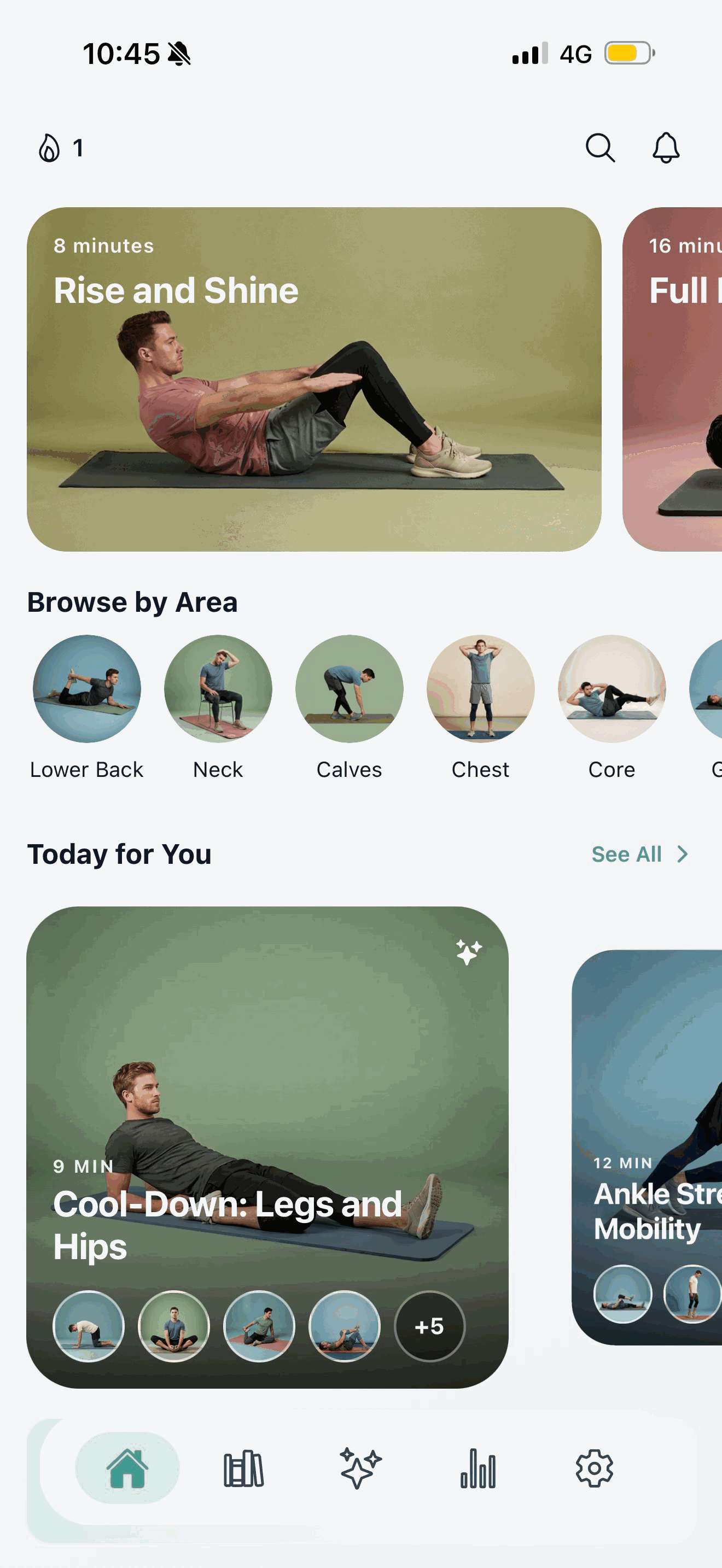
If you spend most of your working day in front of a laptop, you already know how it feels. Your neck creeps forward during long code reviews, your shoulders round during back-to-back video calls, your wrists ache after hours of typing, and your hips stiffen after a long session on the same chair. Many IT professionals in India also handle long commutes and late-evening calls with overseas teams, which means hours of sitting with very little movement.
The good news is that you do not need a gym membership or a yoga mat to feel better. The seven stretches below take about 15 minutes in total. Each one can be done in your office chair or beside your desk, without changing clothes. Move slowly, breathe steadily through each stretch, and stop if you feel sharp, shooting, or numbing pain. A mild pull or a feeling of release is what you are looking for.
A simple way to use this routine is to do the full set once in the morning, once after lunch, and once before you log off. If you have a long call coming up, pick the two or three stretches that suit your problem area and do those.
1. Neck tilts (30 seconds per side)
Sit tall with both feet flat on the floor and let your shoulders relax down, away from your ears. Slowly drop your right ear toward your right shoulder without lifting the shoulder. You should feel a gentle pull along the left side of your neck. Hold for 15 to 30 seconds, return to the centre, and repeat on the other side. Keep your chin level and avoid tilting your head backwards, since that can compress the neck.
2. Shoulder rolls (1 minute)
Lift both shoulders up towards your ears, then roll them back and down in a slow, full circle. Do 10 rolls backwards and then 10 forwards. This loosens the upper trapezius muscles that tighten up from typing and mouse work. Keep the movement smooth, and do not shrug the shoulders forward at the bottom of each circle.
3. Seated spinal twist (30 seconds per side)
Sit near the front edge of your chair with your feet flat and your knees apart. Place your right hand on the outside of your left thigh and your left hand on the back of the chair. Inhale to lengthen your spine, then exhale as you gently turn your upper body to the left. Hold for 20 to 30 seconds while breathing slowly, then switch sides. Turn from the ribs and keep your hips facing forward.
4. Wrist flexor stretch (30 seconds per hand)
Straighten your right arm in front of you with the palm facing up. Use your left hand to gently draw your right fingers back toward you until you feel a stretch along the inside of your forearm. Keep the elbow straight and hold for 30 seconds, then switch hands. Do this after long typing sessions, and try it before a coding block if your wrists already feel tight.
5. Chest opener (30 to 45 seconds)
Sit or stand tall and interlace your fingers behind your lower back. Keep your elbows as straight as is comfortable, and gently lift your hands away from your back while squeezing your shoulder blades together. Let your chest open and keep your ribs soft and down. This movement counters the hunched posture that comes from leaning into a laptop, and it makes deeper breathing easier.
6. Seated figure-4 hip stretch (30 seconds per side)
Sit tall and cross your right ankle over your left knee, so your legs form the shape of the number 4. Keep your back straight, then lean forward slightly from the hips until you feel a stretch in the outer right hip and glute. Hold for 30 seconds, then switch sides. This stretch helps with the tightness that builds up in the hips and lower back after hours of sitting.
7. Standing calf stretch (30 seconds per leg)
Stand facing a wall or the back of a sturdy chair and place your hands on it at shoulder height. Step your left foot back about one metre, keeping the heel on the floor and the leg straight. Bend your right knee slightly and lean in until you feel a stretch in the left calf. Hold for 30 seconds, then switch legs. Good calf mobility supports circulation after long periods of sitting, including long train or cab rides.
A simple daily plan
Set a recurring reminder every 90 minutes to stand up, roll your shoulders, and do two or three of these stretches. Refill your water bottle while you are up, and look at something at least six metres away for a few seconds to rest your eyes. Small breaks add up over a week much more than one long workout that you keep skipping.
When to see a professional
These stretches are general guidance and do not replace medical advice. If you notice numbness, tingling, sharp pain that does not ease, or pain that wakes you at night, speak to a doctor or a physiotherapist. Wrist, neck, and back problems are much easier to manage when they are caught early.
Shared by Flexor Labs, with free guided stretching routines in the Flexor app.
— Flexor Labs (Flexor App for stretching)