Digital Healthcare: How Technology Is Making Healthcare More Accessible
-
- Published Updated
- 110 views
How Digital Healthcare Is Making Medical Care More Accessible
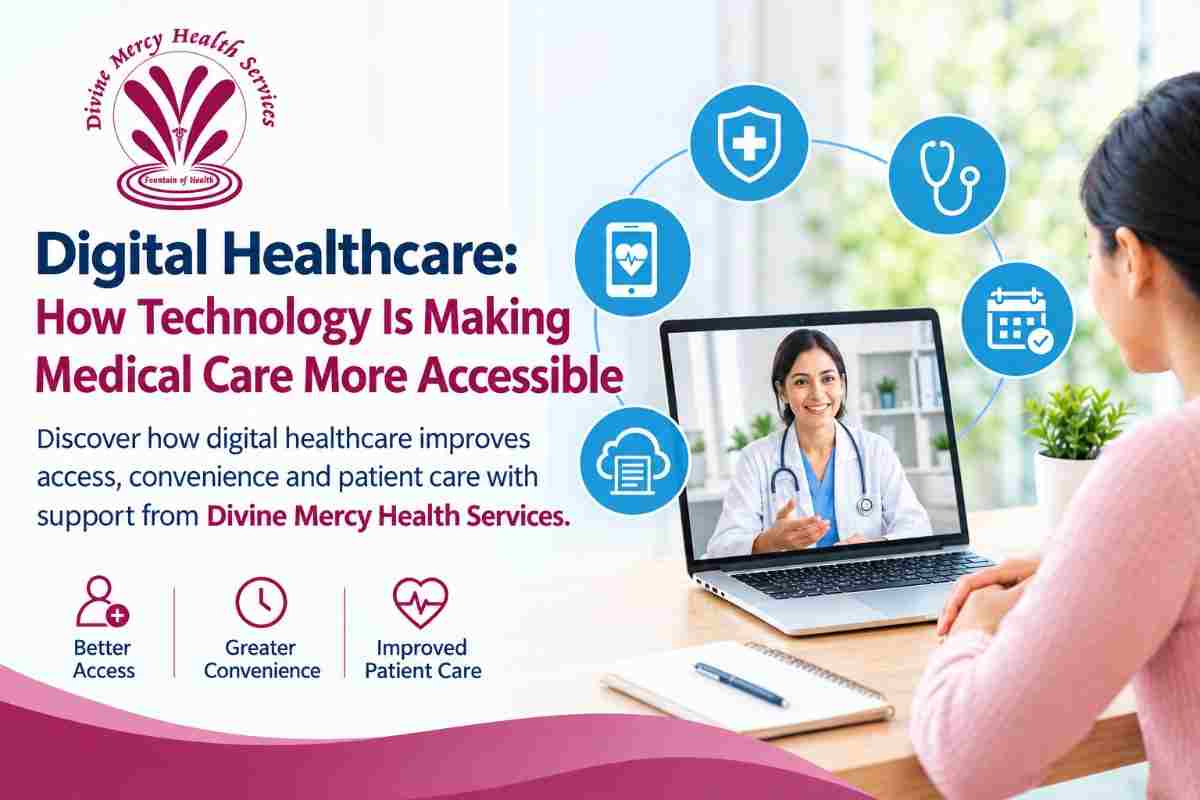
Technology is transforming many areas of everyday life, and healthcare is no exception. From online appointment booking to digital medical records and remote consultations, technology is helping healthcare providers improve the way they communicate with and support patients. Digital healthcare can make medical services more convenient while helping patients stay connected with healthcare professionals.
Divine Mercy Health Services recognizes the importance of accessible and patient-focused healthcare. As healthcare continues to evolve, combining professional medical care with appropriate technology can help create a more convenient and connected experience for patients.
What Is Digital Healthcare?
Digital healthcare refers to the use of digital technologies to support healthcare services and improve communication between patients and healthcare professionals. It can include online appointment systems, electronic health records, telehealth services, digital health information, remote monitoring, and other technology-based healthcare solutions.
Digital healthcare does not mean replacing doctors, nurses, or other healthcare professionals with technology. Instead, technology can support healthcare teams by helping them manage information, communicate with patients, and provide services more efficiently.
For patients, digital healthcare can provide easier access to certain healthcare services and information. It can also reduce some of the difficulties associated with traditional healthcare processes.
How Digital Healthcare Improves Accessibility
Access to healthcare can sometimes be difficult for people who live far from medical facilities or have difficulty travelling. Elderly individuals, people with mobility challenges, and patients living in remote areas may benefit from technology-supported healthcare services when appropriate.
Online communication and remote healthcare options can help patients connect with healthcare professionals without always requiring an immediate physical visit. This can be particularly useful for certain follow-up appointments, general consultations, and healthcare discussions where an in-person examination is not required.
However, patients should always follow professional medical advice about whether a physical examination or hospital visit is necessary.
Convenient Appointment Management
One simple way technology can improve healthcare is through digital appointment management. Online appointment systems can allow patients to request or schedule appointments without making a phone call or visiting a healthcare facility solely to arrange a consultation.
Convenient appointment management can save time for both patients and healthcare staff. It can also make it easier for patients to plan their visits around their work, family, and other responsibilities.
Healthcare organizations such as Divine Mercy Health Services can use modern systems to make healthcare interactions more organized and convenient for patients.
The Importance of Digital Health Records
Medical information is an important part of patient care. Digital health records can help healthcare providers organize relevant patient information and access it more efficiently when needed.
Accurate health records can support better communication between healthcare professionals and help maintain continuity of care. At the same time, protecting patient information is extremely important.
Healthcare organizations must follow appropriate privacy and security practices when handling digital medical information. Patients should also understand how their information is collected, stored, and used.
Technology and Patient Communication
Good communication is an essential part of quality healthcare. Digital communication tools can provide additional ways for patients to communicate with healthcare teams.
Patients may use digital platforms to receive appointment information, healthcare instructions, reminders, or other appropriate communications. These tools can help reduce confusion and make the healthcare process easier to understand.
For Divine Mercy Health Services, maintaining clear and compassionate communication remains important as healthcare becomes increasingly connected through technology.
Supporting Preventive Healthcare
Technology can also encourage people to take a more active role in their health. Digital health platforms and monitoring devices may help individuals track certain health-related information and become more aware of changes in their health.
However, digital tools should not be considered a replacement for professional medical evaluation. Health information from an app or device may provide useful information, but qualified healthcare professionals should interpret medical concerns when necessary.
Regular check-ups, healthy lifestyle choices, and timely professional medical advice remain important parts of maintaining good health.
Patient-Centered Healthcare Still Comes First
While technology offers many advantages, healthcare should always remain focused on the patient. A digital system may make an appointment easier to schedule, but it cannot replace the compassion and professional judgment provided by healthcare workers.
Patient-centered healthcare considers the individual's needs, concerns, comfort, safety, and overall well-being. Technology should support these goals rather than become the focus itself.
Divine Mercy Health Services emphasizes the value of accessible and compassionate healthcare, where modern solutions can complement professional medical services and help improve the overall patient experience.
The Future of Digital Healthcare
Digital healthcare is likely to continue developing as new technologies become available. Healthcare providers may increasingly use digital tools to improve appointment management, communication, health information systems, and patient support.
The future of healthcare will not simply depend on adopting the newest technology. It will depend on using technology responsibly while maintaining medical quality, privacy, safety, and human connection.
Organizations such as Divine Mercy Health Services can contribute to this changing healthcare environment by combining modern approaches with patient-focused medical care.