Near Infrared Imaging Market Trends Shaping the Future of Healthcare
-

- Published Updated
- 5,936 views

Rising Demand for Advanced Visualization Technologies Creates New Growth Opportunities Across Healthcare
The global Near Infrared Imaging Market is witnessing significant momentum as healthcare providers increasingly adopt advanced imaging technologies to improve surgical precision, diagnostic accuracy, and patient outcomes. The growing emphasis on minimally invasive procedures, coupled with continuous technological advancements in medical imaging systems, is expected to drive substantial market expansion over the coming years.
According to the latest market analysis, the global near infrared imaging market is projected to grow from US$ 1,338.6 Mn in 2025 to US$ 2,571.1 Mn by 2032. The market is anticipated to register a healthy CAGR of 9.8% during the forecast period from 2025 to 2032, reflecting the increasing importance of fluorescence-guided imaging and real-time visualization technologies across healthcare settings.
For More Industry Insights Read: https://www.persistencemarketresearch.com/market-research/near-infrared-imaging-market.asp
Near Infrared Imaging Emerges as a Vital Tool in Modern Medicine
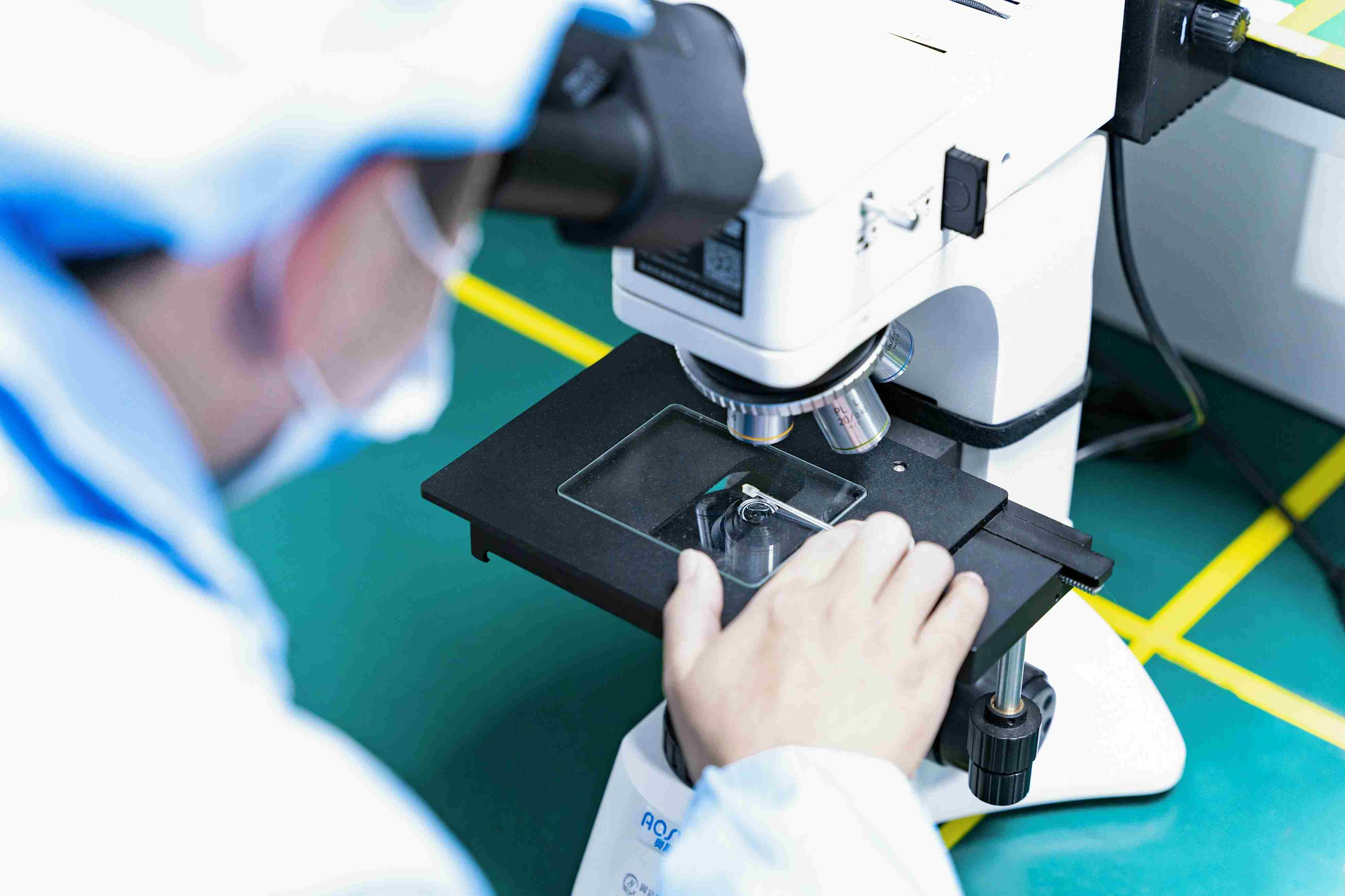
Near infrared imaging technology has become an essential component of modern medical procedures due to its ability to provide enhanced visualization of biological tissues and anatomical structures. By utilizing near infrared light, healthcare professionals can obtain real-time images that help identify blood vessels, lymphatic pathways, tissue perfusion, and tumors with greater precision.
The technology is increasingly being integrated into surgical workflows, allowing physicians to make more informed decisions during complex procedures. Improved visualization not only enhances procedural accuracy but also contributes to reduced complications, shorter hospital stays, and faster patient recovery times.
As healthcare systems worldwide continue to prioritize patient safety and treatment effectiveness, demand for advanced imaging solutions such as near infrared imaging is expected to rise steadily.
Growing Surgical Applications Drive Market Expansion
One of the primary factors fueling market growth is the increasing use of near infrared imaging in a wide range of surgical procedures. Surgeons are leveraging the technology to improve visualization during oncology, cardiovascular, gastrointestinal, and reconstructive surgeries.
In oncology, near infrared imaging supports the identification of cancerous tissues and sentinel lymph nodes, enabling more precise tumor resections. The technology plays a critical role in helping surgeons distinguish between healthy and diseased tissue, ultimately improving surgical outcomes and reducing the likelihood of repeat procedures.
Similarly, cardiovascular surgeons are adopting near infrared imaging systems to assess blood flow and tissue perfusion in real time. The technology also offers valuable support during gastrointestinal and gynecological procedures, where enhanced visualization can significantly improve procedural efficiency and patient safety.
The growing global burden of chronic diseases and increasing surgical volumes are expected to further strengthen demand for advanced imaging solutions throughout the forecast period.
Technological Innovations Continue to Enhance Market Potential
Continuous advancements in imaging devices, fluorescence imaging agents, software platforms, and digital healthcare technologies are creating new opportunities for market participants. Manufacturers are focusing on developing next-generation systems capable of delivering higher-resolution images, improved sensitivity, and seamless integration with surgical platforms.
The incorporation of artificial intelligence and machine learning technologies into imaging workflows is further transforming the market landscape. These innovations are helping healthcare providers analyze imaging data more effectively while supporting faster and more accurate clinical decision-making.
In addition, ongoing research efforts aimed at expanding the clinical applications of near infrared imaging are expected to unlock new growth avenues. Researchers and medical professionals continue to explore the technology's potential in disease diagnosis, drug development, and personalized treatment planning.
Expanding Research Activities Boost Adoption Across Academic and Pharmaceutical Sectors
Beyond clinical applications, near infrared imaging is gaining widespread adoption across research institutions, biotechnology firms, and pharmaceutical companies. The technology has become an important tool for preclinical imaging studies, drug discovery programs, and translational research initiatives.
Growing investments in biomedical research and increasing collaboration between academic institutions and industry stakeholders are contributing to broader adoption of advanced imaging technologies. As research organizations seek more efficient methods for studying biological processes and evaluating therapeutic outcomes, demand for near infrared imaging systems is expected to remain strong.
Furthermore, the growing focus on precision medicine and targeted therapies is encouraging the use of sophisticated imaging solutions capable of delivering detailed molecular and functional information.
Regional Markets Showcase Strong Growth Potential
North America currently represents a leading market for near infrared imaging technologies, supported by well-established healthcare infrastructure, strong research funding, and rapid adoption of advanced surgical systems. The region continues to benefit from the presence of major medical device manufacturers and increasing investments in healthcare innovation.
Europe remains another important market, driven by growing utilization of image-guided surgical procedures and rising demand for advanced diagnostic technologies. Healthcare providers across the region are increasingly incorporating near infrared imaging systems into routine clinical practice.
Meanwhile, East Asia and South Asia & Oceania are expected to emerge as high-growth regions during the forecast period. Rapid healthcare modernization, increasing healthcare expenditures, and expanding access to advanced medical technologies are creating favorable conditions for market growth. Latin America and the Middle East & Africa are also anticipated to witness steady adoption as healthcare infrastructure continues to improve.
Leading Companies Strengthen Competitive Position Through Innovation
The competitive landscape of the global near infrared imaging market is characterized by ongoing product innovation, strategic partnerships, research collaborations, and expansion initiatives. Industry participants are investing significantly in technological advancements to enhance product capabilities and strengthen their market presence.
Key companies operating in the market include Leica Microsystems, Medtronic (Visionsense), PerkinElmer Inc., Zeiss Group, FLUOPTICS SAS (Getinge), Stryker, KARL STORZ SE & Co. KG, Olympus, Hamamatsu Photonics K.K., Mizuho Medical Co., Ltd., Shimadzu Corporation, Headwall Photonics, Koninklijke Philips N.V., Hitachi, Ltd., Bruker, GE Healthcare, FUJIFILM Holdings Corporation, LI-COR Biotech, LLC, Nikon Instruments Inc., and Agilent Technologies, Inc.
Market Segmentation
By Product
- Devices
- Reagents & Consumables
By Procedure
- Oncology Surgeries
- Plastic/Reconstructive Surgeries
- OB/GYN Surgeries
- Cardiovascular Surgeries
- Gastrointestinal Surgeries
- Others
By Application
- Clinical
- Preclinical
- Medical
By End User
- Hospitals
- Specialty Centers
- Biotech and Pharma Companies
- Academic & Research Institutes
- Others
By Region
- North America
- Europe
- East Asia
- South Asia & Oceania
- Latin America
- Middle East & Africa