Direct Freight Express Logistics: Regional LTL Expertise and Modern Freight Solutions
-

- February 23rd, 2026
- 1,590 views
Direct Freight Express operates as a regional less-than-truckload (LTL) carrier focusing on scheduled lanes, terminal networks and freight handling for shippers in the United States. This article summarizes operational features, service offerings, safety and compliance practices, and technologies that influence transit times and claims handling.
- Core service: regional LTL freight with scheduled pickup and delivery lanes.
- Network model: hub-and-spoke terminals and relay operations to speed transit.
- Technology: freight tracking, EDI integrations, and online shipment tools.
- Regulation: subject to federal and state motor carrier safety standards.
Direct Freight Express services and coverage
Direct Freight Express offers standard LTL shipping, limited expedited options, specialized handling for palletized goods and coordinated regional pickup/delivery windows. LTL service consolidates multiple shippers' freight into shared trailers, which can reduce cost for partial loads compared with full truckload shipments. Transit performance depends on lane density, terminal routing and scheduled departure times.
Network design and operational model
Terminal and hub-and-spoke layout
Regional carriers commonly use hub-and-spoke or relay systems to maximize trailer utilization and maintain regular schedules. Terminals perform load consolidation, cross-docking and final-mile staging. Frequent departures on dense lanes support shorter transit windows and more predictable pickup/delivery times.
Fleet and equipment
Modern LTL fleets include tractors with air-ride trailers, liftgate-equipped trailers for curbside delivery and equipment adapted for palletized freight. Vehicle maintenance, load securement and driver training all affect on-time performance and cargo integrity.
Technology, tracking and integrations
Shipment visibility
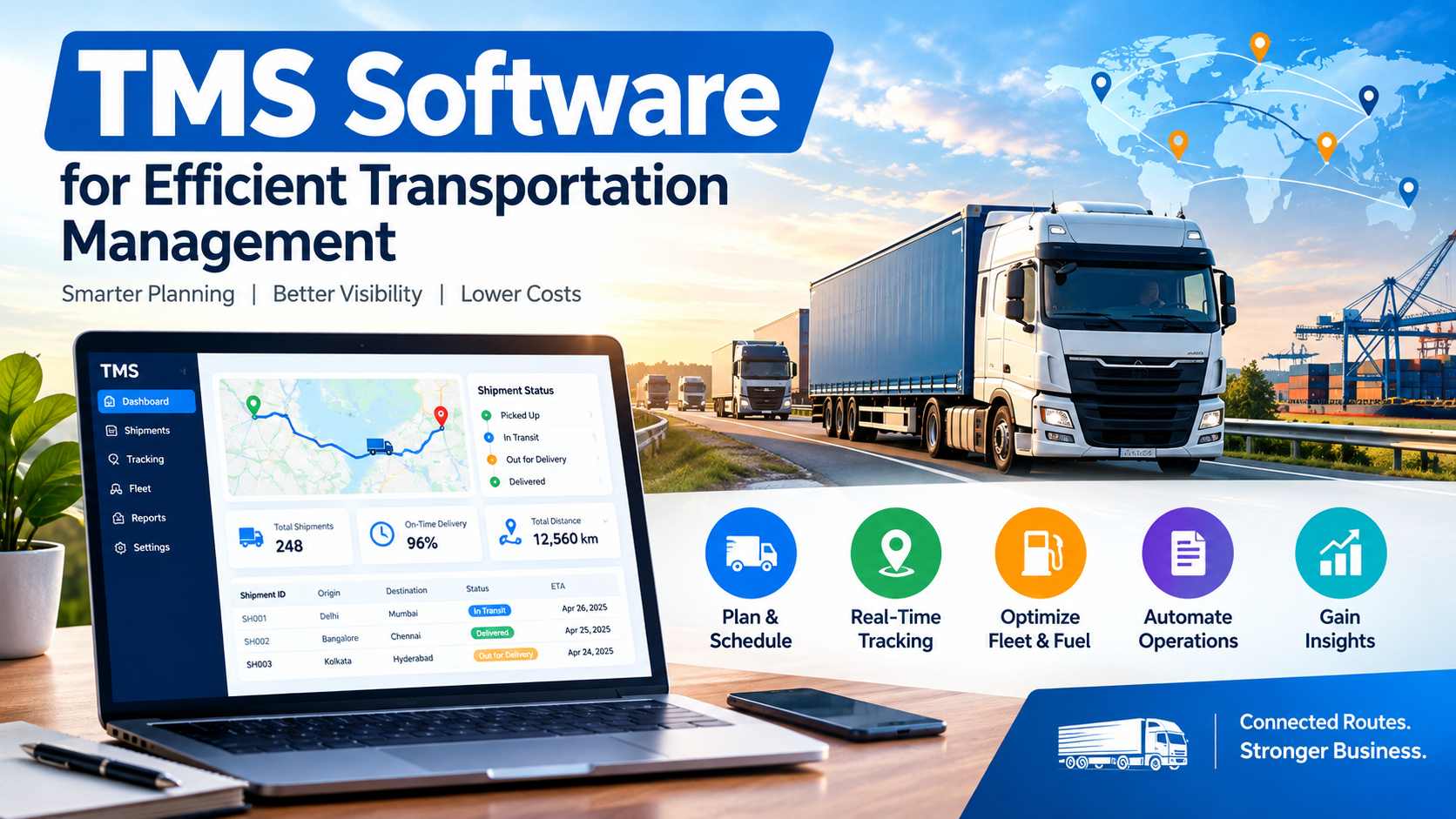
Real-time tracking and electronic proof of delivery reduce uncertainty and support automated notifications. APIs, EDI and web portals enable shippers and third-party logistics providers to exchange shipment status, rates and billing documents for integration with transportation management systems (TMS).
Rate quoting and manifesting
Rate engines consider density, transit distance, accessorials and class to generate quotes. Accurate manifesting and documentation are essential to avoid billing disputes and to speed claims resolution in case of damage or loss.
Safety, compliance and regulatory oversight
Federal and state regulations
Motor carriers must meet regulatory requirements such as driver qualification, hours of service, vehicle inspection and cargo securement. Oversight bodies like the Federal Motor Carrier Safety Administration (FMCSA) publish safety regulations and carrier information; for more on federal regulations and safety guidance visit FMCSA.
Claims, insurance and loss prevention
Freight claims processes typically require prompt notification, documentation of damage and inspection reports. Carriers maintain cargo liability insurance and outline procedures for filing claims, but timelines and liability limits are governed by tariff terms and applicable law.
Customer experience and service considerations
Scheduling and transit commitments
Regional LTL carriers often publish scheduled pickup and delivery days for specific lanes. Shippers should verify pickup windows, appointment requirements for deliveries to restricted locations and any accessorial charges for services such as liftgates, residential delivery or inside delivery.
Billing and documentation
Bills of lading, freight bills and delivery receipts form the transactional record. Electronic invoicing and online dispute resolution tools can streamline reconciliation between shippers and carriers.
Sustainability and industry trends
Fuel efficiency, route optimization and equipment modernization are ongoing priorities across the freight sector. Consolidation of shipments, intermodal linkages and digital freight matching are examples of industry trends that influence capacity, pricing and environmental performance.
When to choose a regional LTL carrier
Regional LTL is typically suitable when freight volumes do not justify a dedicated full truckload and when consistent, scheduled service on specific lanes can be secured. Cost, transit time, terminal density and claims records should factor into carrier selection.
Additional resources and oversight
Regulatory and statistical data from federal agencies and academic transportation research provide context on safety, market trends and capacity. Agencies such as the U.S. Department of Transportation publish freight statistics that inform planning and procurement decisions.
Conclusion
Direct Freight Express represents a model of regional LTL operations combining scheduled lanes, terminal-based consolidation and digital tools for visibility. Understanding network design, service terms and regulatory obligations helps shippers evaluate how regional carriers fit into broader supply chain strategies.
Frequently asked questions
What services does Direct Freight Express provide?
Services typically include regional LTL freight, scheduled lane pickups and deliveries, palletized shipping, limited expedited options and technology-enabled tracking and billing.
How are transit times determined for regional LTL shipments?
Transit times depend on lane density, number of terminal hops, scheduled departure and arrival windows, and whether the route requires relay or overnight staging at hubs.
How does a shipper start a claim for damaged freight?
Claims generally require immediate notification to the carrier, documentation such as photos and delivery receipts, and retention of packaging for inspection. Specific timelines and requirements are set by the carrier's tariff and governing regulations.
Is Direct Freight Express regulated by federal safety authorities?
Yes. Motor carriers operating interstate are subject to federal safety and operating rules enforced by agencies such as the Federal Motor Carrier Safety Administration (FMCSA) and relevant state regulators.