Liquid Rhinoplasty Explained: How a Non‑Surgical Nose Job Works and Who It's For
-
- March 16th, 2026
- 521 views

Get a free topical map and start building content authority today.
Detected intent: Informational
Liquid rhinoplasty is a minimally invasive cosmetic procedure that uses dermal fillers to reshape the nose without surgery. This article explains what liquid rhinoplasty is, who is a suitable candidate, the typical process and recovery, safety considerations, common mistakes, a named checklist to plan the procedure, and practical tips for better outcomes.
- Liquid rhinoplasty (non-surgical nose job) uses dermal fillers like hyaluronic acid to alter nose contours temporarily.
- Best for mild profile corrections—dorsal humps camouflage, tip lift, or smoothing asymmetry—rather than size reduction.
- Recovery is short but complications (vascular occlusion, infection) require prompt care; choose an experienced injector.
- Use the SAFE framework checklist (Suitability, Anatomy, Filler choice, Expectations) before booking.
What is liquid rhinoplasty?
Liquid rhinoplasty is a non-surgical approach using dermal fillers for temporary nose reshaping. Often called a non-surgical nose job, the procedure adds volume in targeted areas to create a straighter bridge, fill depressions, lift the tip, or improve symmetry. Results typically last 6–18 months depending on filler type and individual metabolism.
How liquid rhinoplasty works
Principle and materials
Most injectors use hyaluronic acid fillers because they are reversible with hyaluronidase if needed. Placement is highly technical: fillers go into select planes (deep perichondrial or periosteal layers) to avoid superficial lumps and reduce vascular risk.
Typical treatment steps
- Consultation and photography to document baseline anatomy and expectations.
- Topical or local anesthesia as needed.
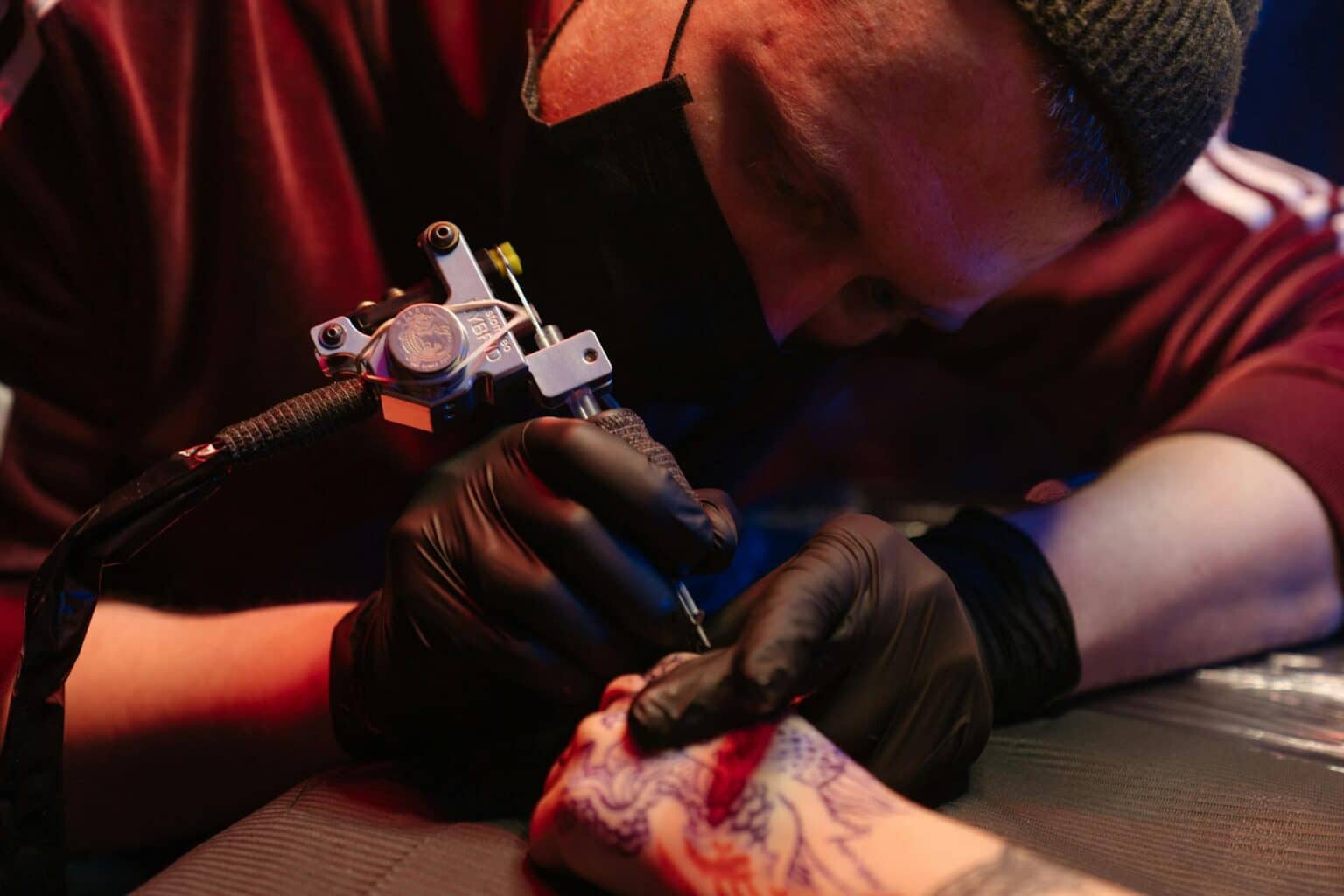
- Small volume injections in carefully chosen locations using needles or microcannulas.
- Immediate assessment and minor adjustments; instructions for aftercare provided.
Who is a good candidate for liquid rhinoplasty?
Ideal candidates want subtle contour changes and do not need reduction of nasal bone or cartilage. Common goals include smoothing a small dorsal hump, refining a droopy tip, or correcting minor asymmetry. People seeking permanent size reduction or correcting severe deformities are better suited for surgical rhinoplasty.
Safety, risks, and official guidance
Like all procedures, liquid rhinoplasty carries risks: bruising, swelling, asymmetry, and rare but serious vascular occlusion that can cause skin necrosis or vision loss. Regulatory bodies and medical societies provide safety resources and reporting. For general information on dermal filler safety from a regulatory perspective, consult the FDA guidance on dermal fillers: FDA — Dermal Fillers.
Common mistakes and trade-offs
- Overfilling: adding too much volume can create unnatural contours and be harder to correct.
- Poor anatomical assessment: neglecting vascular anatomy increases complication risk.
- Expectations mismatch: non-surgical options cannot reduce bone or cartilage size—trade-off is limited permanence but quicker recovery.
SAFE framework: a practical checklist before booking
Use the SAFE framework to evaluate suitability and plan the procedure:
- Suitability — Confirm realistic goals and check medical history (bleeding disorders, autoimmune disease, pregnancy).
- Anatomy — Review nasal structure, skin thickness, and vascular mapping considerations.
- Filler choice & technique — Prefer reversible hyaluronic acid for most cases; discuss needle vs cannula technique.
- Expectations & emergency plan — Clarify longevity, possible need for touch-ups, and provider's protocol for complications.
Practical tips for better results
- Choose an injector with specific experience in nasal anatomy and complications management.
- Avoid aspirin or NSAIDs for a few days before the procedure if medically safe to reduce bruising (confirm with prescribing clinician).
- Start with conservative volumes—it's easier to add filler later than to remove excess.
- Ask about access to hyaluronidase and an emergency plan in the rare event of vascular compromise.
Real-world example
Scenario: A 34-year-old person wanted a straighter nasal profile and slight tip lift without surgery. After photographic analysis and discussing realistic outcomes, the injector placed 0.4 mL of hyaluronic acid along the bridge and 0.2 mL at the infratip break using a microcannula. Immediate improvement in dorsal line and tip rotation was achieved, with mild bruising resolving in 7 days. The patient understood results were temporary and scheduled a follow-up at 6 months.
Core cluster questions
- How long does a liquid rhinoplasty last?
- What are the risks of a non-surgical nose job?
- Who is a good candidate for dermal fillers in the nose?
- Can liquid rhinoplasty correct a large dorsal hump?
- What aftercare is recommended following injectable nose reshaping?
Choosing between liquid and surgical rhinoplasty (trade-offs)
Liquid rhinoplasty offers faster recovery, lower upfront cost, and reversible results—good for dabbling with appearance changes. Surgical rhinoplasty offers permanent structural changes, including size reduction and airway correction, but requires general anesthesia and longer downtime. The right choice depends on the desired change, medical considerations, and tolerance for permanence versus flexibility.
Follow-up and maintaining results
Schedule follow-up at 1–2 weeks to assess settling and at 6–12 months for maintenance. Some patients alternate touch-ups and waiting periods to determine long-term preferences before choosing surgical options.
Common mistakes to avoid
- Not verifying injector credentials or experience with nasal injections.
- Failing to discuss reversal options and emergency protocols.
- Expecting surgical outcomes from a non-surgical procedure.
Bottom line
Liquid rhinoplasty is an effective, reversible option for modest nose contouring when performed by a qualified injector. Use the SAFE framework checklist, understand risks and limitations, and plan realistic expectations before proceeding.
FAQ: Is liquid rhinoplasty right for me?
Liquid rhinoplasty is usually right for people seeking minor contouring, camouflage of small dorsal irregularities, or subtle tip refinement. It is not suitable for reducing overall nasal size or correcting major structural problems.
FAQ: How long does liquid rhinoplasty last?
Results typically last between 6 and 18 months, depending on filler type, placement depth, and individual metabolism.
FAQ: Are there risks with liquid rhinoplasty?
Yes. Common risks include bruising and swelling; rare but serious risks include vascular occlusion and vision complications. Choosing an experienced injector and understanding emergency protocols reduces risk.
FAQ: What should be discussed at a liquid rhinoplasty consultation?
Discuss goals, medical history, expected longevity, filler type, complication management (including hyaluronidase access), and post-procedure follow-up.
FAQ: Does liquid rhinoplasty hurt?
Discomfort is typically mild and controlled with topical anesthetic or local blocks; most patients tolerate the procedure well.