Don Bosco Museum: Explore North East India’s Cultural Treasures
-

- Published Updated
- 1,668 views
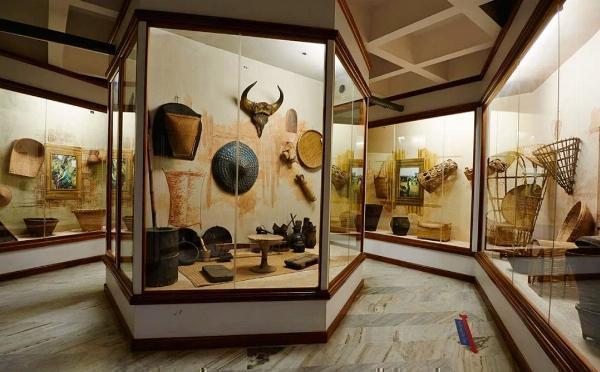
The Don Bosco Museum offers a comprehensive introduction to the cultures of North East India, presenting tribal arts, textiles, musical traditions, and ethnographic displays that tell the region's stories. Located in Shillong, the Don Bosco Museum is widely recognized for its multi-level galleries, archive resources, and community-focused programs that highlight the living traditions of states such as Meghalaya, Nagaland, Manipur, Arunachal Pradesh, Assam and Mizoram.
- Location: Shillong, Meghalaya — a major cultural center in North East India.
- Main focus: Ethnography, tribal culture, indigenous art, textiles, and oral history.
- Collections: Costume, musical instruments, household objects, ritual items, handicrafts.
- Visitor tips: Plan 2–3 hours, respect photography rules, check seasonal timings.
- Authority: Works in the broader context of cultural preservation recognized by national cultural bodies.
Don Bosco Museum: A Gateway to North East India's Heritage
The Don Bosco Museum provides an accessible and well-organized overview of the region’s cultural diversity. Exhibits are arranged to communicate the distinctive material culture of hill and valley communities, including traditional weaving, woodcarving, oral narratives, and customary practices. The museum is designed to be informative for visitors with a general interest in anthropology as well as for researchers looking to contextualize artifacts from an ethnographic perspective.
Collections and Key Exhibits
Textiles, Costume and Craft Traditions
Textiles and costume displays show weaving techniques, ceremonial dress, and regional motifs. These exhibits highlight how woven patterns encode identity, social status and ritual meaning among different tribal groups. Collections include loom assemblies, sample garments, and interpretive panels explaining dyeing and spinning methods.
Musical Instruments and Performing Arts
Instruments such as drums, flutes and stringed devices are displayed alongside descriptions of their role in festivals, rites of passage and storytelling. Many exhibits demonstrate how music and dance link to agricultural cycles and oral tradition, a major focus in studies of intangible cultural heritage.
Domestic Life and Ritual Objects
Reconstructed domestic scenes and objects used in daily life—cooking implements, storage vessels, and tools—provide insights into ecological adaptations and material culture. Ritual items used in ceremonies and community gatherings illustrate belief systems and social organization.
Architecture, Location and Visitor Experience
Building Layout and Galleries
The museum’s multi-level design allows curated pathways through thematic galleries, making comparison across states and cultural groups easier. Exhibits often combine artifacts with explanatory labels, photographs, audio recordings and video to create a multimedia learning experience suited to a wide audience.
Practical Visitor Information
Visitors should allocate two to three hours for a thorough visit, and check for seasonal opening hours. Respect for local customs and exhibit rules—especially around photography and handling—enhances the experience for all visitors. Accessibility and guided tours may be available; check onsite information for current services.
Education, Research and Cultural Preservation
Interpretation, Documentation and Community Engagement
The museum functions as both an exhibition space and a research center where documentation, oral histories and conservation work support long-term preservation. Collaboration with local artisans, cultural organizations and academic researchers helps ensure that exhibits represent living traditions rather than static collections.
Role in Broader Cultural Policy
Institutions like this contribute to national and regional strategies for safeguarding cultural heritage. The museum’s efforts align with broader initiatives promoted by bodies such as the Ministry of Culture and international frameworks for heritage conservation that encourage documentation and transmission of intangible heritage.
For information on national museum policies and cultural programs, see the Ministry of Culture, Government of India: https://www.indiaculture.gov.in.
Planning a Visit: Tips and Considerations
Best Times to Visit and Nearby Attractions
Cooler months are often more comfortable for travel in the Northeast. Combine a museum visit with local cultural sites and markets to experience contemporary crafts and performances. Respect seasonal festivals by checking dates in advance for opportunities to see living traditions in context.
Responsible Tourism
Support local communities by buying directly from craftspeople when possible, following photography guidelines, and learning about the provenance of objects. Ethical engagement with cultural heritage emphasizes consent, fair representation and benefit-sharing with source communities.
Further Reading and Research
For readers interested in academic perspectives, look for publications in ethnography and cultural studies addressing the North East, regional museum catalogues, and conservation literature. Articles in peer-reviewed journals on tribal art, textile studies, and oral history provide deeper context for museum collections.
FAQs
What are the opening hours of Don Bosco Museum?
Opening hours can vary by season and special events. It is recommended to confirm current hours directly with the museum before planning a visit and to check whether guided tours or special exhibitions require advance booking.
Is photography allowed inside the museum?
Photography rules differ by gallery and by exhibit; some sections may restrict flash or close-up photography to protect sensitive materials. Observe posted signs and staff instructions to ensure preservation of collections.
How does the Don Bosco Museum work with local communities?
The museum engages in documentation projects, collaborates with artisans for demonstrations, and partners with cultural groups to develop exhibits that reflect community perspectives. Such partnerships are essential to authentic interpretation and cultural continuity.
Can researchers access archives or collections?
Access policies vary; researchers typically need to contact the museum in advance to request access to archives, photographic collections, or specialist resources. Institutional rules will explain any conditions for study and reproduction.
Are there nearby accommodations and transport links?
Shillong is a regional hub with a range of accommodation options and road connections to surrounding towns. Plan travel with attention to seasonal road conditions and local transport schedules.
The Don Bosco Museum serves as a resource for visitors and scholars seeking to understand the cultural richness of North East India. Its combination of material culture, interpretive displays, and community engagement offers a durable introduction to the living heritage of the region.