Dubai Arm Lift Recovery Guide: Brachioplasty Aftercare and Timeline
-

- Published Updated
- 1,593 views
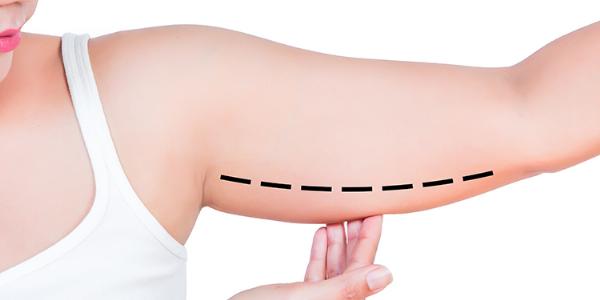
The arm lift brachioplasty procedure is commonly performed to remove excess skin and reshape the upper arm. This guide outlines typical recovery expectations, practical aftercare steps, and local considerations for patients in Dubai to support a safe, informed postoperative period.
- Immediate rest and gentle arm elevation help control swelling.
- Follow wound-care instructions and keep incisions clean and dry.
- Activity should be gradually increased; avoid heavy lifting for several weeks.
- Scar management and sun protection improve long-term results.
- Discuss any concerns with a licensed surgeon or local regulator such as the Dubai Health Authority.
Arm Lift Brachioplasty: Recovery Overview
Recovery after an arm lift brachioplasty varies by individual factors including the extent of tissue removed, overall health, and adherence to postoperative instructions. Typical recovery progresses through immediate, early, and longer-term phases. Expect initial swelling, bruising, and limited arm mobility that generally improve over weeks to months.
Immediate Postoperative Care (First 48–72 Hours)
Hospital discharge and first tasks
Hospital stays are often short; many patients are discharged the same day or after an overnight observation. Arrange transportation home and a helper for the first 24–48 hours. Essential tasks during this period include following prescribed medications, resting with the arms elevated, and monitoring the incision sites for unusual bleeding or high fever.
Pain and swelling control
Mild-to-moderate pain and swelling are common. Use prescribed pain medication as directed by a licensed clinician and apply cold compresses for brief intervals if recommended. Avoid taking unapproved medications or supplements without clinical approval.
Wound Care and Dressing Management
Keeping incisions clean
Follow the surgeon’s instructions on how and when to change dressings. Maintain hygiene around the treatment area and avoid soaking incisions until cleared by the surgical team. Report increased redness, spreading warmth, or discharge to a healthcare provider promptly.
Sutures and drains
Sutures may be absorbable or removed at a follow-up appointment. If surgical drains are used, adhere to the clinic’s guidance on emptying, measuring output, and timing for removal.
Activity, Mobility, and Work
Gradual return to activity
Light activities and short walks are typically encouraged soon after surgery to support circulation. Avoid strenuous exercise, heavy lifting, and repetitive arm motions for several weeks. The exact timeline depends on the surgeon’s assessment and the patient’s recovery rate.
Returning to work
Desk work often resumes within one to two weeks for uncomplicated cases, while physically demanding jobs may require several weeks off. Confirm a return-to-work plan with the surgical team before resuming duties.
Scar Care and Long-Term Healing
Scar maturation
Scars typically evolve over 6–12 months, becoming flatter and less noticeable. Early scar care may include silicone sheeting, gentle massage once incisions are fully healed, and avoiding sun exposure to reduce hyperpigmentation.
Sun protection and skin care
Use broad-spectrum sun protection on healed scars and avoid direct sun exposure, particularly in Dubai’s intense sunlight. Discuss suitable topical products with the surgical team or a dermatologist.
When to Contact a Healthcare Provider
Signs that require prompt attention
Seek immediate medical evaluation for signs of infection (fever, increasing redness, foul drainage), sudden severe pain, shortness of breath, or unexpected bleeding. Local emergency services and licensed surgeons registered with the Dubai Health Authority are appropriate contacts for urgent concerns.
Local Considerations for Patients in Dubai
Regulatory and clinic standards
Facilities and practitioners are typically regulated by the Dubai Health Authority (DHA). Patients are encouraged to confirm that surgical teams and facilities meet local licensing and accreditation standards. For general information on plastic surgery standards and patient resources, consult the American Society of Plastic Surgeons' informational pages as a clinical reference: American Society of Plastic Surgeons.
Climate and travel
Dubai's warm climate can affect wound care and comfort. Plan follow-up visits with the surgical team before travel and follow local guidance about heat exposure and activity levels during recovery.
Practical Tips for a Smoother Recovery
Preparation and support
Prepare a recovery area at home with easy access to essentials, comfortable seating, and supportive pillows for arm elevation. Arrange for help with childcare or household tasks in the first two weeks.
Nutrition and hydration
A balanced diet and adequate hydration support healing. Discuss supplements and any existing medications with the surgical team to avoid interactions.
FAQs
How long does recovery after an arm lift brachioplasty take?
Initial recovery commonly takes several weeks, with most daily activities resuming in 1–3 weeks and full healing and scar maturation occurring over several months. Individual timelines vary; follow-up with a licensed surgeon provides tailored guidance.
Will scars from brachioplasty fade completely?
Scars usually improve substantially over 6–12 months but may not disappear entirely. Scar management techniques, sun protection, and time help minimize visibility. Discuss options with the surgical team or a dermatologist for personalized strategies.
Is it safe to travel during recovery in Dubai?
Short, non-strenuous travel may be possible after the initial postoperative period if cleared by the treating surgeon. Long flights or travel that limits access to follow-up care should be planned carefully; verify recovery status before travel.
How can a patient verify their surgeon’s credentials in Dubai?
Confirm that the surgeon and facility are registered with the Dubai Health Authority and review clinic accreditation and patient reviews. Licensed practitioners will provide documentation of credentials and facility information on request.