Complete Guide to Dubai Body Contouring: Procedures, Costs, and Safety
-

- Published Updated
- 1,431 views

Dubai body contouring has become a sought-after option for people looking to reduce localized fat, tighten skin, or refine body shape. This guide outlines common surgical and non-surgical procedures, considerations for choosing a clinic, typical recovery expectations, and regulatory and safety information relevant to the region.
This article explains the main body contouring techniques offered in Dubai, how to evaluate clinics and practitioners, what to expect for costs and recovery, and how local regulation and international standards apply. It includes practical points about pre-procedure assessment and post-procedure follow-up.
Dubai body contouring: common procedures and how they work
Non-surgical options
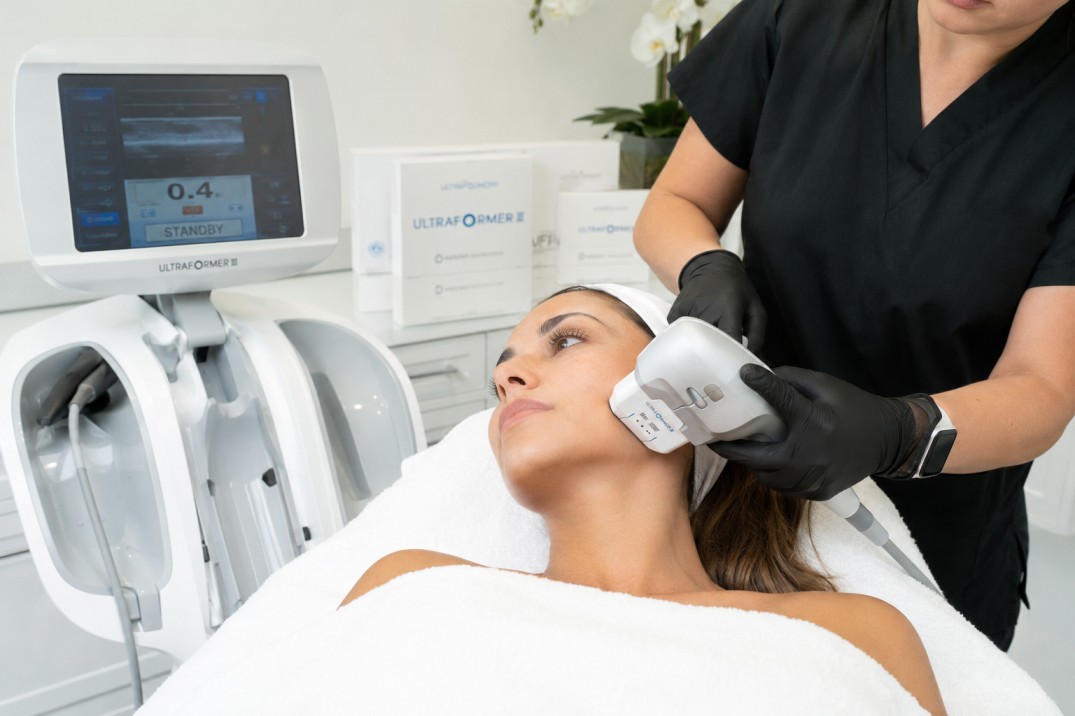
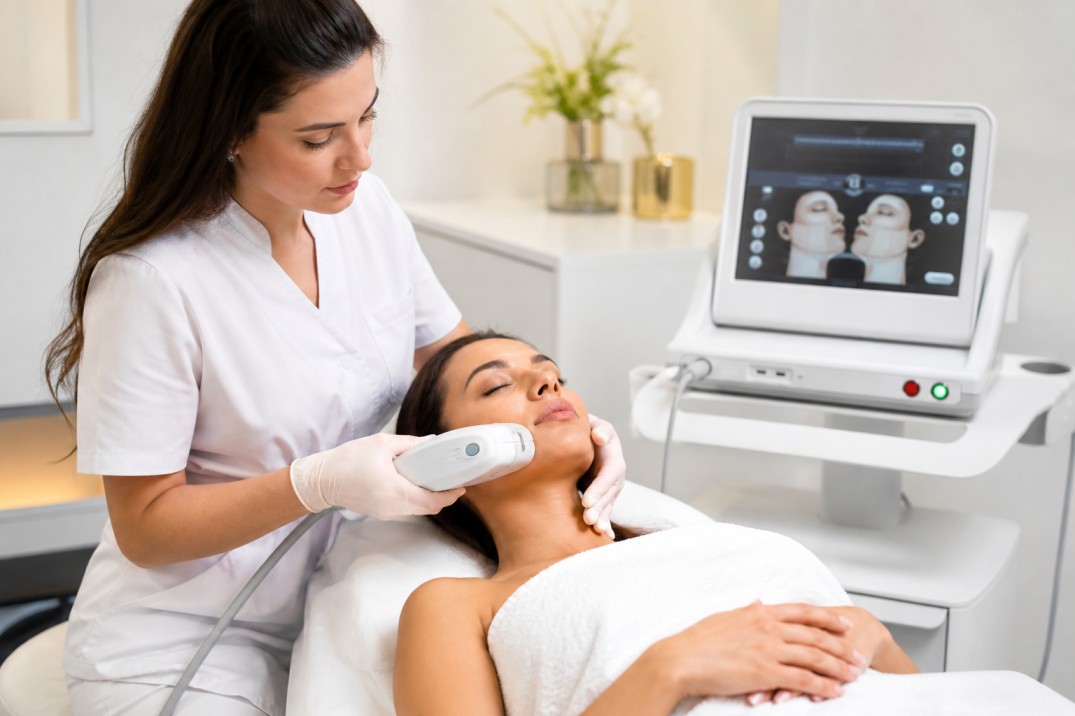
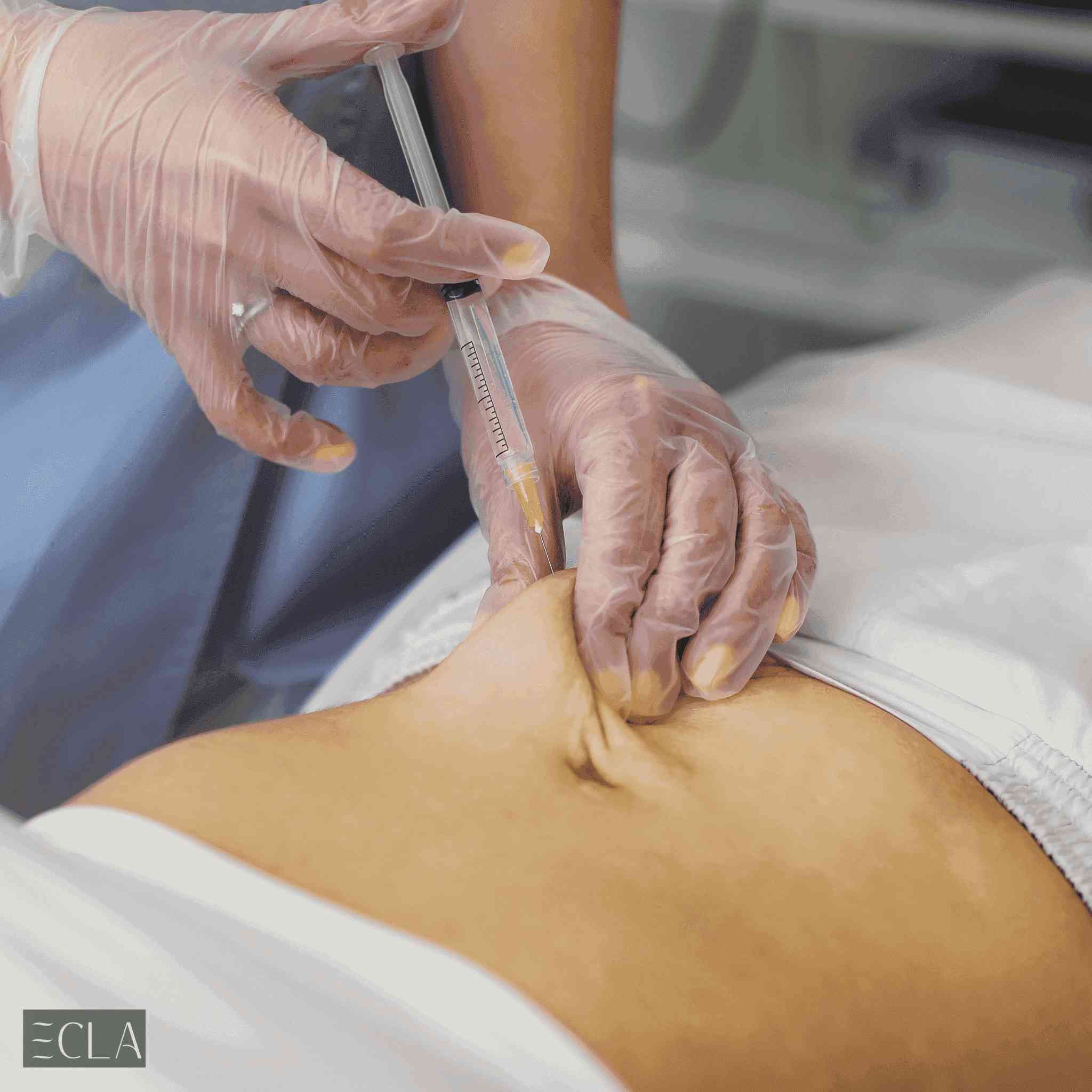
Non-surgical treatments use energy-based devices or injectables to reduce fat or tighten skin with minimal downtime. Examples include cryolipolysis (fat freezing), ultrasound-assisted fat reduction (high-intensity focused ultrasound, HIFU), and radiofrequency treatments for skin tightening. These approaches typically require multiple sessions, offer gradual results, and are best for patients with localized, mild-to-moderate fat deposits or mild laxity.
Surgical options
Surgical body contouring includes liposuction variants (tumescent liposuction, power-assisted liposuction, ultrasound-assisted liposuction) and excisional procedures such as abdominoplasty (tummy tuck), thigh lift, and brachioplasty. These procedures can produce more dramatic and immediate changes but involve anesthesia, longer recovery times, and greater risk of complications. Consultation should include assessment of overall health, BMI, skin quality, and realistic outcome expectations.
Combination and staged approaches
Some treatment plans combine surgical and non-surgical methods or stage procedures over time to optimize contour and recovery. For example, liposuction may be paired with skin tightening treatments to enhance results for patients with moderate skin laxity.
Choosing a clinic and practitioner in Dubai
Licensing, accreditation, and practitioner qualifications
Verification of licensing and accreditation is essential. Clinics in Dubai are commonly regulated by the Dubai Health Authority (DHA), and some facilities may hold international accreditation such as Joint Commission International (JCI). Confirm that the operating surgeon is board-certified in plastic surgery or an equivalent specialty, and that anesthesiology and nursing staff are credentialed. For information on local regulatory standards, consult the Dubai Health Authority website: Dubai Health Authority.
Clinic facilities and patient care standards
Assess clinic facilities for operating room standards, emergency preparedness, infection-control protocols, and availability of post-operative care. Ask about pre-procedure assessment protocols, informed consent documents, and access to imaging or laboratory services for baseline testing. Clear communication about expected outcomes, risks, and aftercare is an important indicator of quality care.
Costs, recovery timelines, and expected results
Cost factors
Costs vary by procedure type, practitioner experience, clinic location, and whether anesthesia or overnight stays are required. Non-surgical sessions are usually charged per treatment session, while surgical procedures typically cover facility fees, surgeon fees, anesthesia, and follow-up visits. Request a detailed written estimate before booking.
Recovery and return to normal activities
Recovery timelines depend on the procedure. Non-surgical treatments often have minimal downtime and allow a return to light activities within a few days. Surgical procedures may require days to weeks of limited activity, with full recovery and appreciation of final results often taking several months. Follow post-procedure instructions regarding wound care, compression garments, physical activity, and follow-up appointments to support optimal healing.
Risks, safety measures, and regulation
Common risks and how they are managed
Risks include infection, bleeding, bruising, asymmetry, contour irregularities, numbness, and, in rare cases, more serious complications such as thromboembolism or adverse anesthesia reactions. Pre-procedure risk assessment, adherence to sterilization protocols, and appropriate patient selection are key risk-reduction measures. Practitioners should provide clear guidance on signs that require urgent medical attention.
Standards and professional guidance
International professional organizations and local regulators provide clinical standards and recommendations for patient safety. For evidence-based guidance on surgical safety and patient selection, consult resources from surgical societies and regulatory bodies. Prospective patients should seek practitioners who follow accepted clinical protocols and maintain transparent records of outcomes and complication rates.
Preparing for a consultation
Questions to ask during the first visit
Useful questions include: What are the realistic outcomes for the chosen procedure? What are the specific risks in this patient's case? Can the clinic provide before-and-after photos of similar patients and references? What are the costs and financing options? What follow-up care and contingency plans are available for complications?
Documentation and informed consent
Before any procedure, patients should receive written information that outlines procedure steps, risks, recovery expectations, and alternative options. Ensure that informed consent forms are thorough and that there is adequate time to consider the decision and ask follow-up questions.
Frequently asked questions
What is Dubai body contouring and who is an appropriate candidate?
Dubai body contouring refers to surgical and non-surgical procedures offered in Dubai that reshape or refine body contours. Appropriate candidates are generally adults in good overall health with realistic expectations; suitability depends on the specific technique, amount of excess fat or skin, and individual health considerations.
Is Dubai body contouring safe?
Safety depends on the procedure, patient health, and the credentials and standards of the facility and staff. Choosing accredited clinics, board-certified surgeons, and following pre- and post-procedure instructions reduces risk. Verification of local regulation and practitioner qualifications is recommended.
How soon are results visible and how long do they last?
Non-surgical results typically appear gradually over weeks to months and may require maintenance sessions. Surgical results are often more immediate but can continue to improve as swelling subsides; longevity depends on lifestyle, weight stability, and individual healing.
What should be considered about cost and follow-up care?
Costs vary widely; inquire about itemized pricing, follow-up visits, and potential additional costs for complications or revisions. Confirm availability of post-procedure monitoring and emergency contacts for complications.
How to verify clinic credentials and outcomes?
Request proof of licensing and accreditation, review practitioner qualifications, ask for outcome photographs of similar patients, and seek independent second opinions if uncertain. Regulatory bodies and professional societies provide standards and directories of qualified practitioners.
Where can official guidance on regulation be found?
Local health authorities and recognized surgical societies publish regulatory and safety standards. For Dubai-specific regulatory information, consult the Dubai Health Authority.