Dubai Facelift Surgery Guide: Trends, Safety, Costs, and Options
-
- February 23rd, 2026
- 1,872 views

FREE SEO Topical Map Generator: Find Your Next Content Ideas
Interest in facelift surgery in Dubai has increased as the city develops into a regional centre for cosmetic procedures. The local market now offers a mix of surgical and minimally invasive options, evolving clinical standards, and services aimed at both residents and international patients.
- Procedural options range from full facelifts and deep-plane techniques to thread lifts and fat grafting.
- Regulation and accreditation are increasingly important; the Dubai Health Authority sets local standards.
- Costs vary widely depending on technique, surgeon experience, and facility accreditation.
- Recovery time and risk profiles differ across procedures; informed decision-making and credential checks are essential.
Facelift Surgery in Dubai: Current Trends
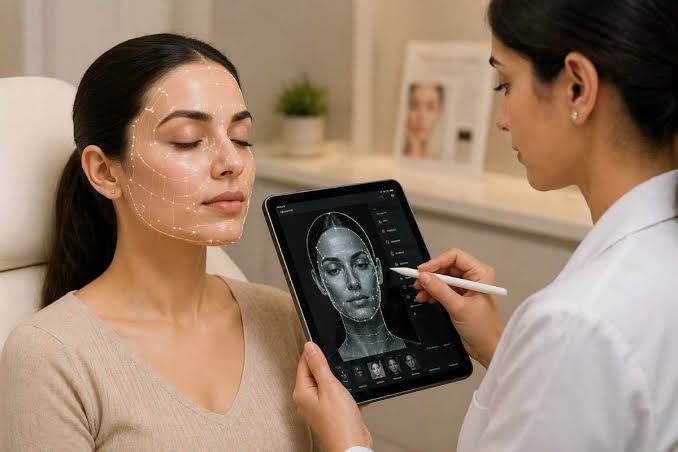
Facelift surgery in Dubai now reflects global trends toward personalization and less-invasive approaches. Demand for procedures that reduce visible aging while minimizing downtime has led to greater use of techniques such as SMAS (superficial musculoaponeurotic system) tightening, deep-plane lifts, targeted fat grafting, and nonsurgical adjuncts like neuromodulators and fillers. Thread lifts and energy-based skin tightening are being offered as alternatives for patients seeking shorter recovery.
Common Techniques and How They Differ
Traditional Surgical Facelifts
Traditional facelifts involve incisions around the hairline and ears, repositioning of soft tissues and skin, and sometimes direct excision of excess skin. Variations include deep-plane and extended SMAS lifts, which aim to reposition underlying facial structures for durable results.
Minimally Invasive and Non-Surgical Options
Thread lifts use barbed or anchored sutures to achieve lift with minimal incisions. Dermal fillers and fat grafting restore volume and can complement lifting procedures. Energy devices such as ultrasound or radiofrequency are marketed for skin tightening but typically produce subtler changes than surgery.
Safety, Regulation, and Accreditation
Regulatory oversight and facility accreditation are key factors in patient safety. In Dubai, the Dubai Health Authority (DHA) regulates licensing and standards for medical facilities and practitioners, and clinics offering cosmetic surgery are expected to comply with local licensing requirements. International and regional professional organizations—such as the International Society of Aesthetic Plastic Surgery (ISAPS) and national surgical boards—provide additional credentialing frameworks and clinical guidelines that influence practice quality.
For details on licensing standards and facility accreditation in Dubai, the Dubai Health Authority provides official guidance: Dubai Health Authority.
Choosing a Provider in Dubai
Credentials and Experience
Look for board-certified plastic surgeons or ENT/ maxillofacial surgeons who have documented training and experience in facial aesthetic surgery. Verify clinic accreditations, operating theatre standards, and post-operative care arrangements. Surgeons who publish clinical work or participate in recognized professional societies may offer additional transparency about technique and outcomes.
Consultation and Outcome Expectations
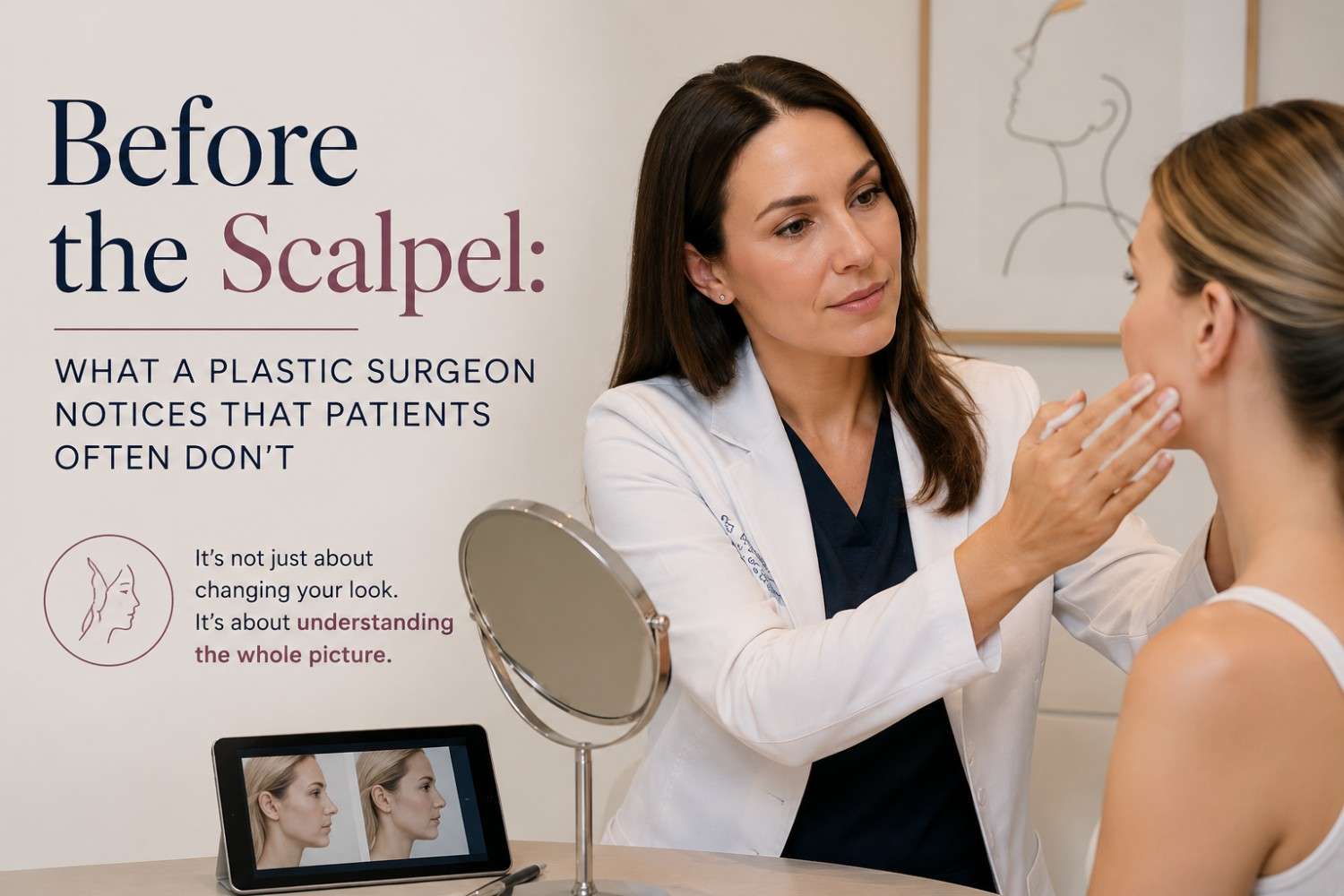
A thorough consultation should include discussion of realistic outcomes, risks, alternatives, and recovery timelines. Before-and-after images from the surgeon’s own practice can help illustrate typical results, while clear information about anesthesia, hospital admission requirements, and postoperative follow-up indicates established practice standards.
Costs, Recovery, and Risk Considerations
Cost Factors
Procedure cost varies with the surgical technique, anesthesia type, facility fees, surgeon experience, and whether adjunct procedures (e.g., eyelid surgery, fat grafting) are combined. Prices in Dubai can also reflect the facility’s location, amenities, and whether the clinic caters to international patients. Cost estimates should include fees for preoperative assessment, surgery, anesthesia, and postoperative care.
Recovery Expectations
Recovery periods depend on the technique. Traditional facelifts typically require several weeks for bruising and swelling to subside and for patients to resume many normal activities; some residual changes can last months. Minimally invasive procedures often involve shorter visible downtime but may offer less dramatic long-term correction.
Risks
All surgical procedures carry risks such as bleeding, infection, scarring, nerve injury, and asymmetry. Minimally invasive options share some risks but generally have lower immediate surgical morbidity. Transparent risk discussion and preoperative medical assessment are indicators of responsible practice.
Medical Tourism and Practical Considerations
Dubai is a regional hub for medical tourism, which can offer access to a wide range of specialists. Travel-related considerations include arranging appropriate follow-up care after returning home, verifying international insurance coverage for complications, and ensuring continuity of records. Some clinics provide post-discharge plans and remote follow-up services, while others require local in-person follow-up.
Frequently Asked Questions
What should someone consider before choosing facelift surgery in Dubai?
Consider surgeon credentials, facility accreditation, detailed cost breakdowns, realistic outcome expectations, and postoperative care plans. Confirm that the provider meets local regulatory standards and offers clear information about risks and recovery.
How long does recovery from a facelift usually take?
Initial swelling and bruising commonly improve within two to four weeks, but full recovery and softening of scars can take several months. Recovery time is typically longer after more extensive surgical techniques compared with minimally invasive procedures.
Are non-surgical alternatives effective for lifting the face?
Non-surgical options such as fillers, neuromodulators, thread lifts, and energy-based devices can provide modest lifting and volumizing effects with shorter downtime, but results are generally less pronounced and less durable than surgical facelifts.
How can safety and quality be verified in Dubai clinics?
Verify practitioner licensing, facility accreditation, documented outcomes, and compliance with the Dubai Health Authority and relevant professional societies. Ask about anesthesia protocols, emergency arrangements, and postoperative follow-up.
Will insurance cover facelift surgery in Dubai?
Cosmetic procedures are typically considered elective and are not covered by most health insurance plans. Coverage policies vary by provider and plan; obtain written information from insurers and clinics about potential costs and exclusions.
Information in this guide summarizes current trends, regulatory context, and practical considerations relevant to facelift procedures in Dubai. For detailed, case-specific information, official guidance from regulatory authorities and peer-reviewed clinical literature can provide additional context on techniques and safety standards.