How Botox Shaped Dubai’s Aesthetic Evolution
-

- Published Updated
- 1,110 views
Botox in Dubai transformed not only individual aesthetics but also helped define broader Dubai aesthetic trends across clinics, media, and professional practice. This article explains how injectable treatments entered the city, how regulation and consumer expectations shaped their use, and what practical steps to take when considering treatment.
Botox became a visible part of Dubai's beauty landscape through medical tourism, high consumer demand, and clinic specialization. Understand the timeline, regulatory context, a named clinic vetting checklist, a short example scenario, and practical tips to evaluate providers and risk.
Detected intent: Informational
Botox in Dubai: Timeline and Cultural Impact
The introduction of injectable neuromodulators followed global clinical developments and local demand for minimally invasive cosmetic procedures. Early adopters were private dermatology and cosmetic surgery clinics catering to expat and local populations; within a decade, aesthetic injectables moved from specialist practice rooms into mainstream clinics, medical spas, and cosmetic chains. The rise coincided with trends in social media visibility, international medical tourism, and the city's positioning as a global lifestyle hub.
Dubai aesthetic trends and the rise of injectables
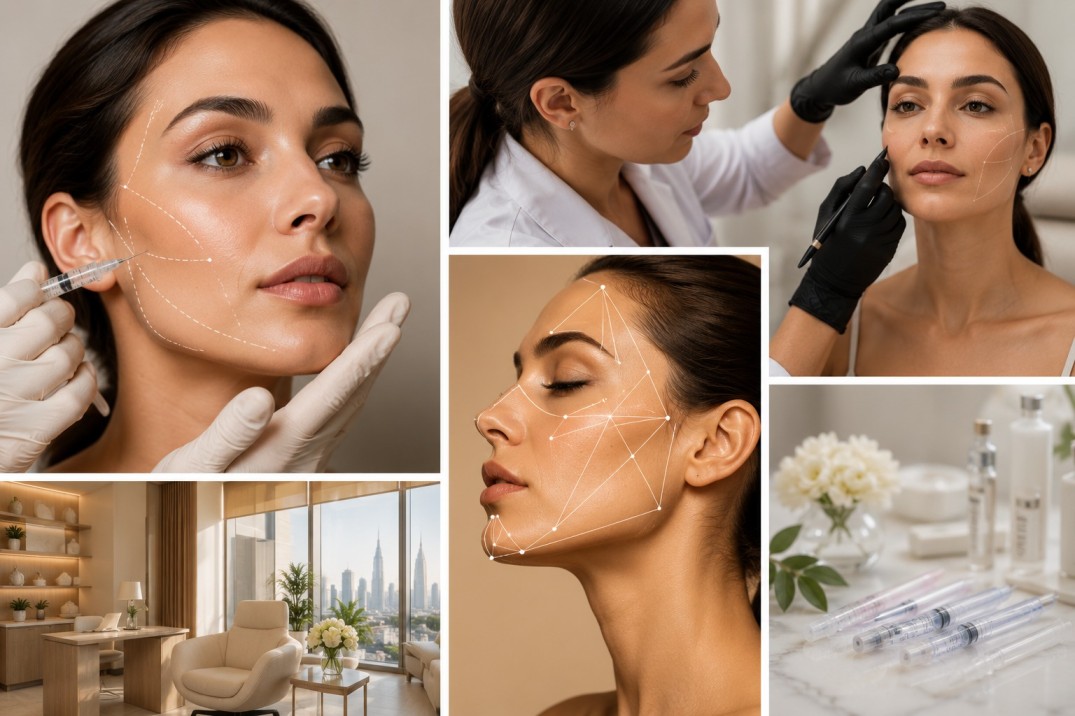
Dubai aesthetic trends reflect both regional preferences and global influences: contouring, high-definition grooming, and smooth facial rejuvenation became common requests. Clinics began to combine neuromodulators like Botox with dermal fillers, lasers, and skin treatments to offer comprehensive facial refresh packages. The popularity of before-and-after imagery on platforms such as Instagram accelerated demand, while licensed practitioners worked to standardize outcomes and manage patient expectations.
How clinics and regulation shape cosmetic procedures in Dubai
Cosmetic procedures in Dubai operate within a framework of local health authorities such as the Dubai Health Authority (DHA) and the UAE Ministry of Health. Regulation focuses on licensing professionals, clinic accreditation, and reporting adverse events. International standards from bodies such as the U.S. Food and Drug Administration (FDA) and professional societies (for example, the American Academy of Dermatology) inform best practices for product approvals, indications, and safety—readers can review safety guidance from an authoritative source here: FDA guidance on cosmetic injections.
Dubai Clinic Vetting Checklist (named framework)
A practical, named checklist helps evaluate providers. The "Dubai Clinic Vetting Checklist" covers five criteria:
- Credentials: Verify the clinician’s medical license, specialty certification, and DHA authorization.
- Product sourcing: Ask for batch numbers and product authorization; ensure approved neuromodulator brands and lawful import documentation.
- Clinic accreditation: Confirm the clinic’s accreditation, sterilization protocols, and emergency procedures.
- Consultation quality: Seek an evidence-based consultation with documented treatment plans and clear consent forms.
- Aftercare and reporting: Check follow-up policies, complication pathways, and whether adverse events are logged with authorities.
Real-world example: a short scenario
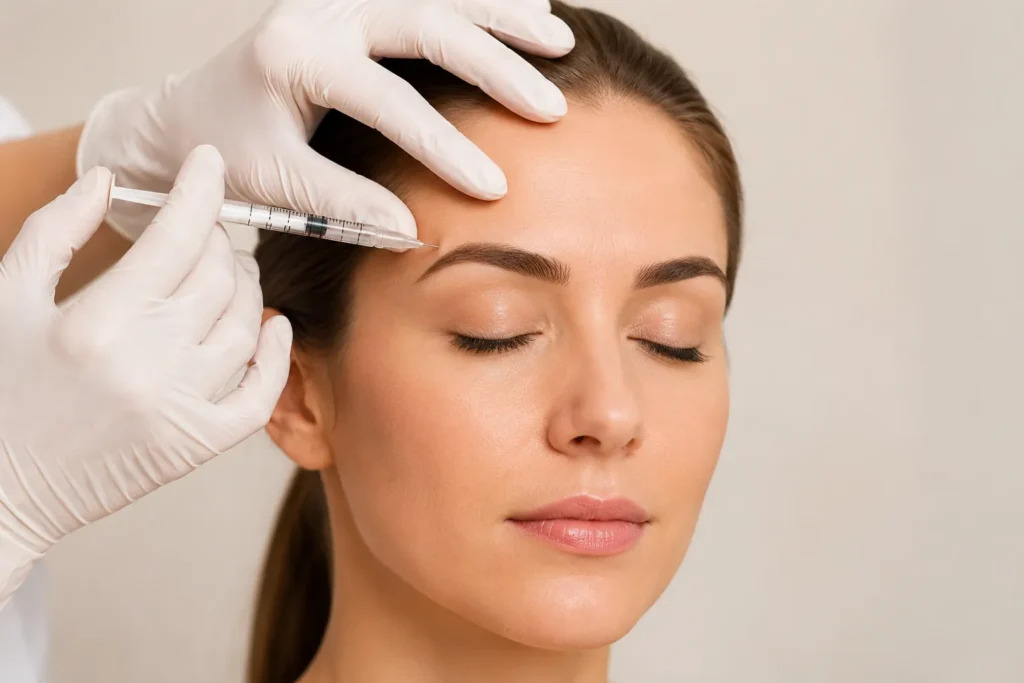
A 35-year-old professional decides to address forehead lines. Using the Dubai Clinic Vetting Checklist, the patient verifies the dermatologist’s DHA license, confirms that an FDA-approved neuromodulator is used, reviews before-and-after photos of similar skin type, and requests a written aftercare plan. The clinic schedules a follow-up at two weeks and documents outcomes. This scenario shows how a checklist reduces risk and improves predictability of results.
Practical tips for anyone considering injectables
- Prioritize licensed clinics and ask to see the practitioner’s official registration details with the Dubai Health Authority or relevant emirate body.
- Request transparent information about the product (brand and batch) and refuse treatment if the clinic declines to provide these details.
- Insist on a documented consultation that includes medical history, realistic outcome discussion, and written consent.
- Plan follow-up visits and ensure post-treatment contact is available for complications or unsatisfactory outcomes.
- Avoid same-day multiple-procedure promotions; allow clear recovery and assessment between treatments.
Trade-offs and common mistakes
Trade-offs are inherent when choosing cosmetic interventions. Quick in-clinic procedures offer shorter downtime but may require more frequent maintenance compared with surgical alternatives. Common mistakes include selecting a provider based on price alone, relying solely on social-media portfolios, and failing to disclose medications or previous treatments that affect outcomes. Overuse of neuromodulators can create an unnatural appearance—balanced planning avoids this.
Core cluster questions
The following five core cluster questions reflect common search intents and are suitable as internal link targets or related articles:
- How are injectable neuromodulators regulated in the UAE?
- What should be included in a pre-treatment consultation for cosmetic injections?
- How do outcomes of Botox compare with dermal fillers for facial rejuvenation?
- What are the typical costs and maintenance schedules for aesthetic injectables?
- How should complications from cosmetic injections be reported and managed?
Measuring impact: social and economic angles
Beyond individual outcomes, Botox’s integration into Dubai’s aesthetic market influenced training demand, international referrals, and ancillary services (skincare, photography, and cosmetic dentistry). Medical tourism contributed to service standardization, but also increased pressure on regulators to ensure consistent quality across providers catering to both residents and visitors.
Final considerations
Botox in Dubai sits at the intersection of clinical practice, consumer trends, and regulatory oversight. Awareness of credentials, product provenance, and aftercare—supported by a named checklist—reduces risk and leads to better outcomes. Use reputable sources and local health authority information when making decisions, and prioritize predictable, documented care over promotional offers.
Is Botox in Dubai regulated and safe?
Yes—botulinum toxin products and injectable procedures fall under health authority regulations in the UAE. Safety depends on using licensed practitioners, approved products, and following post-procedure care. Official guidance such as that published by the U.S. Food and Drug Administration offers general safety information and should be considered alongside local regulations.
How long do results typically last?
Results from neuromodulator injections generally last three to five months, depending on dose, treatment area, and individual metabolism. Maintenance intervals and combination treatments can extend perceived benefits.
What should be asked during a pre-treatment consultation?
Ask about the clinician’s qualifications, exact product and batch information, expected results and risks, aftercare instructions, and follow-up policy. Request documentation and time to consider the plan before consenting.
Are there alternatives to injectables for facial rejuvenation?
Yes—alternatives include topical medical therapies, energy-based devices (lasers, ultrasound), and surgical procedures. Each option has trade-offs in downtime, longevity, cost, and risk; discuss choices with a licensed specialist to match goals with a suitable plan.
How to report a complication or adverse reaction?
Report complications to the treating clinic immediately and inquire about escalation pathways to the Dubai Health Authority or the relevant emirate regulator. Documentation, photos, and dates help authorities and clinicians assess events and improve safety reporting.