E-Invoicing Explained: How It Works, Benefits, and Why Countries Are Adopting It
-

- Published Updated
- 1,724 views
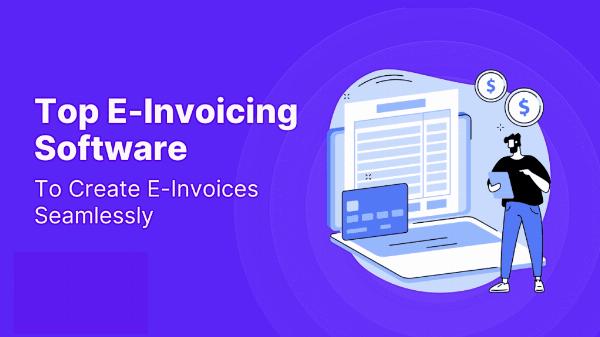
E-invoicing is the electronic creation, transmission and processing of invoices in a structured, machine-readable format. Governments, tax authorities and private-sector organisations increasingly require or encourage e-invoicing to improve tax compliance, speed payments and reduce administrative overhead.
- E-invoicing uses structured digital formats (XML, UBL) so invoices are readable by software.
- Many countries adopt e-invoicing to improve VAT reporting, reduce fraud and streamline procurement.
- Implementation approaches include direct exchange, centralized government portals, and interoperability networks.
- Common considerations: data privacy, standards, integration with accounting systems, and regulatory compliance.
What is e-invoicing?
Electronic invoicing, or e-invoicing, replaces paper or unstructured PDF invoices with invoices encoded in a standardised digital format. This allows invoices to be processed automatically by accounting, enterprise resource planning (ERP) and tax-reporting systems without manual data entry. Structured e-invoices typically include standardized fields for supplier and buyer details, line items, taxes (such as VAT), totals and legal identifiers used by tax authorities.
How e-invoicing works
Structured data and formats
E-invoices use structured formats such as XML or UBL (Universal Business Language) so the information is machine-readable. Structured data enables automatic validation, reconciliation and posting to ledgers.
Transmission methods
Common transmission models include:
- Direct exchange between trading partners using standard protocols.
- Network or interoperability frameworks that route invoices between software providers and buyers (for example country or region-wide networks).
- Centralized government portals where invoices are sent to a tax authority or fiscal agent for validation and routing.
Validation and acceptance
E-invoicing systems can validate invoices for mandatory fields, numeric accuracy and tax rules before acceptance. Some jurisdictions require invoices to be authorised by a tax authority or to include a digital signature or unique control code to ensure authenticity and integrity.
Why countries are adopting e-invoicing
Several factors drive national adoption of e-invoicing. Tax authorities cite increased VAT compliance and the ability to detect fraud sooner. Governments and public procurement officials seek faster payments and lower processing costs. Broader digitalisation strategies aim to reduce administrative burdens on businesses and improve the efficiency of financial reporting.
Revenue protection and compliance
Structured e-invoices make it easier to match supplier and buyer records and detect anomalies. Real-time or near-real-time reporting reduces the window for invoice manipulation and undeclared transactions, supporting VAT and other indirect tax collection.
Cost and efficiency gains
Automation reduces manual data entry, paper handling and the time between invoice receipt and payment. Public sector e-invoicing initiatives can standardise processes across suppliers, leading to lower procurement costs and improved cash flow management.
Digital transformation and interoperability
National e-invoicing programmes can be part of wider e-government and digital trade strategies that encourage interoperability, use of open standards and cross-border electronic commerce.
Benefits and risks for businesses and governments
Benefits
- Faster invoice processing and shorter payment cycles.
- Lower processing costs and reduced errors from manual entry.
- Improved tax reporting accuracy and reduced compliance risk.
- Better auditability and record-keeping with structured digital records.
Risks and challenges
- Implementation costs for small businesses, including software upgrades and staff training.
- Data privacy and security concerns when transmitting financial data across networks.
- Interoperability challenges where multiple formats and networks coexist.
- Regulatory complexity when rules vary between jurisdictions.
Implementation approaches and standards
Implementation choices affect cost and interoperability. Many countries prefer open standards (for example UBL or XML schemas) and common exchange protocols. Interoperability frameworks can allow diverse software providers to exchange e-invoices reliably. Fiscalisation models—where a tax authority validates or records invoices—are used in some jurisdictions to strengthen tax controls.
International organisations and tax authorities publish guidance on best practices for e-invoicing and digital reporting. For broader policy and standardisation resources, see the OECD for analysis on tax administration and digitalisation: OECD.
Preparing for e-invoicing
Businesses preparing for mandatory or voluntary e-invoicing should assess ERP and accounting system readiness, choose compatible formats or service providers, and test exchanges with trading partners. Legal and record-keeping requirements vary, so consultation with local tax authorities or compliance specialists helps ensure adherence to retention, signature and archiving rules.
Frequently asked questions
What is e-invoicing and how does it affect businesses?
E-invoicing replaces paper or non-structured invoices with machine-readable digital invoices. Effects on businesses include the need to adapt accounting systems, potential reductions in processing costs, and changes to invoicing workflows. Benefits typically include faster payments and improved accuracy, while initial setup may involve one-time costs.
Do e-invoices need a digital signature?
Requirements vary by jurisdiction. Some countries require digital signatures or an issuing authority's approval code to ensure authenticity and integrity; others accept structured invoices without signatures if sent through trusted networks or validated portals.
Are there common standards for e-invoicing?
Yes. Common standards include structured XML formats and UBL. Interoperability frameworks and API-based exchange models are also widely used to enable cross-system communication.
Will e-invoicing make tax audits easier?
Structured e-invoices improve traceability and the ability to reconcile transactions, which can streamline audits. At the same time, they create a larger volume of digital records that authorities and taxpayers must manage responsibly.
How long should e-invoices be archived?
Archiving periods are set by national laws and tax regulations and typically range from several years to a decade. Retention policies should comply with local legal requirements for tax and accounting records.