Ear Wax Removal in Dubai: ENT Specialist Guide to Safe, Effective Care
-

- February 23rd, 2026
- 1,276 views

👉 Best IPTV Services 2026 – 10,000+ Channels, 4K Quality – Start Free Trial Now
Ear wax removal by ENT specialists in Dubai is a common outpatient procedure for people who experience hearing changes, ear discomfort, or impacted cerumen. This guide explains typical treatment options, what to expect during a clinic visit, safety considerations, and how local regulation and clinic standards affect care.
- ENT (ear, nose and throat) specialists offer diagnostic assessment and several removal methods, including micro-suction, irrigation, and manual extraction.
- Clinic choice should consider licensing (Dubai Health Authority), clinician training, and available equipment.
- Risks exist with any procedure; discuss history of ear surgery, perforated eardrum, or ear infections before treatment.
Ear Wax Removal by ENT Specialists in Dubai
Why see an ENT specialist?
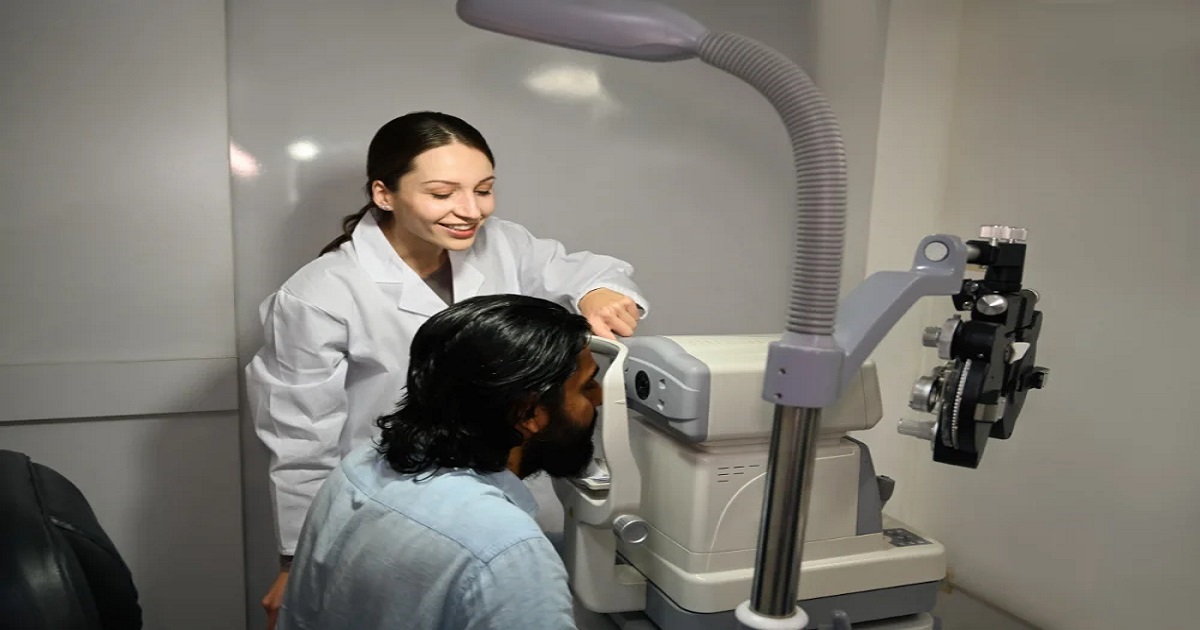
ENT specialists evaluate ear symptoms with otoscopy or video otoscopy and determine if ear wax (cerumen) is the cause. Specialist assessment is appropriate when hearing loss, pain, dizziness, ringing (tinnitus), prior ear surgery, or suspected eardrum perforation are present. ENT clinics can manage complex cases and provide safe removal techniques not typically available in primary care.
Common removal methods used by ENT specialists
Micro-suction
Micro-suction uses a small, controlled vacuum and a microscope or video magnification to remove wax under direct vision. This method is often recommended for fragile eardrums, narrow ear canals, or when precision is needed. It is performed while the patient is seated and usually does not require water.
Irrigation
Irrigation (gentle water flush) can dislodge softer wax. It is less suitable for people with a history of eardrum perforation or middle ear problems. ENT specialists use controlled pressure and appropriate temperature to reduce discomfort and the risk of dizziness.
Manual removal with instruments
Under microscopic guidance, ENT specialists may use small curettes, suction tips, or forceps to extract firm or adherent wax. This approach provides direct control and is selected when micro-suction is not available or when the wax is firmly impacted.
Cerumenolytic drops
Cerumenolytics (ear drops that soften wax) may be recommended before manual removal or irrigation. These are applied over several days to soften hard cerumen, making subsequent removal easier. Use of drops should be discussed with the clinician, particularly when there is ear drainage or a history of ear surgery.
What to expect during an ENT clinic visit
Assessment
The clinician will take a brief history, inspect the ear canal and eardrum with an otoscope or microscope, and determine whether wax is present. If infection, perforation, or other pathology is suspected, further evaluation or alternative management may be recommended.
Procedure and aftercare
Procedures are usually brief. Post-procedure instructions may include keeping the ear dry for a short period, avoiding cotton buds, and monitoring for persistent symptoms. If discomfort, bleeding, or worsening hearing occurs after a procedure, contact the clinic for reassessment.
Safety, risks, and regulation
Potential risks
Risks can include transient dizziness, minor bleeding, ear canal abrasion, or, rarely, damage to the eardrum. Risk is reduced by proper patient selection, use of magnification, and experienced clinicians.
Regulation and guidance
In Dubai, clinics and practitioners are subject to licensing and standards set by the Dubai Health Authority (DHA). International guidance on earwax management can also inform safe practice; for example, clinical summaries and infection control recommendations are available from established health services.
For general information on earwax and removal options from an authoritative public health source, see the NHS guidance: NHS: Earwax removal.
Choosing a clinic in Dubai
Credentials and equipment
Consider clinics with ENT specialists who hold recognized qualifications and are licensed by the Dubai Health Authority. Clinics that use microscope or video otoscopy and offer micro-suction are often better equipped for precise removal.
Practical considerations
Request information about clinician experience, whether the procedure is performed by an ENT specialist or trained practitioner, language support, infection control practices, and follow-up arrangements. Appointment availability and transparent information about any pre-procedure instructions can improve the experience.
Costs and appointment planning
Costs vary between clinics and depend on the chosen method and whether consultation and procedure are bundled. Insurance coverage differs by provider and policy. It is advisable to confirm fees and whether a prior consultation is needed before scheduling an ear wax removal appointment.
Follow-up and prevention
Follow-up is typically advised if symptoms persist after removal. To reduce recurrence, avoid inserting objects into the ear canal, and discuss safe ear-care practices with the clinician. For recurrent impaction, periodic specialist review may be appropriate.
Frequently asked questions
What is ear wax removal by ENT specialists in Dubai?
This question refers to assessment and treatment provided by credentialed ear, nose and throat physicians in Dubai to remove impacted or symptomatic earwax using techniques such as micro-suction, irrigation, or manual extraction.
How long does the procedure take?
Most procedures take 10–30 minutes, depending on the volume and consistency of wax and the method used. An initial assessment may add time for history taking and examination.
Is the procedure painful?
Many people experience only mild discomfort or pressure. Micro-suction is often tolerated well because it avoids water and uses direct vision. Discuss any anxiety, prior sensitivity, or ear conditions with the clinician beforehand.
Can earwax come back after removal?
Yes, cerumen production is normal and varies by individual. Recurrence may occur. Clinicians can advise on preventive measures and whether periodic professional cleaning is appropriate.
When should a different specialist be consulted?
If symptoms such as persistent hearing loss after removal, recurrent ear infections, facial weakness, or bleeding occur, further evaluation by an ENT specialist or another specialist is appropriate. Emergency care is warranted for sudden severe symptoms.
Note: This article provides general information and is not a substitute for professional medical evaluation. Local regulations and clinic practices may change; verify current licensing and guidance with relevant authorities such as the Dubai Health Authority.