Strategic Ecommerce Platform Selection Services for Online Businesses
-

- Published Updated
- 4,210 views

Choosing the wrong technology stack can quietly cost an online business tens of thousands of dollars in lost sales, failed migrations, and missed growth opportunities. That's exactly why more founders and marketing teams are turning to professional ecommerce platform selection services before they write a single line of code. Rather than guessing between dozens of shopping cart tools, businesses now get a structured, data-backed evaluation that matches platform capabilities to their actual sales goals, catalog size, and long-term roadmap.
Why Ecommerce Platform Selection Is a Strategic Decision, Not a Technical One
Many first-time online sellers treat platform selection as a purely technical checkbox — pick something, launch fast, fix problems later. That approach works for a few months, until traffic grows and the platform can't keep up with checkout speed, inventory sync, or third-party integrations. Understanding how to choose an ecommerce platform for online business means looking past the interface and evaluating scalability, total cost of ownership, and how well the platform supports your specific product category, whether that's subscription boxes, wholesale B2B orders, or digital downloads.
A platform decision affects marketing performance too. Site speed, mobile responsiveness, and clean URL structures directly influence organic rankings, so ecommerce SEO readiness should be part of the evaluation from day one not an afterthought bolted on after launch.
What Goes Into Choosing the Right Ecommerce Platform for Online Business
A proper ecommerce platform selection checklist for startups typically covers:
- Budget and pricing model — monthly SaaS fees versus one-time open-source hosting costs
- Catalog complexity — number of SKUs, variants, and bundled products
- Payment gateway compatibility — support for Stripe, PayPal, Shop Pay, and regional processors
- Scalability — whether the platform can handle traffic spikes during Black Friday or seasonal launches
- Integration ecosystem — CRM, email marketing, ERP, and fulfillment tool connections
- Customization needs — theme flexibility and access to backend code
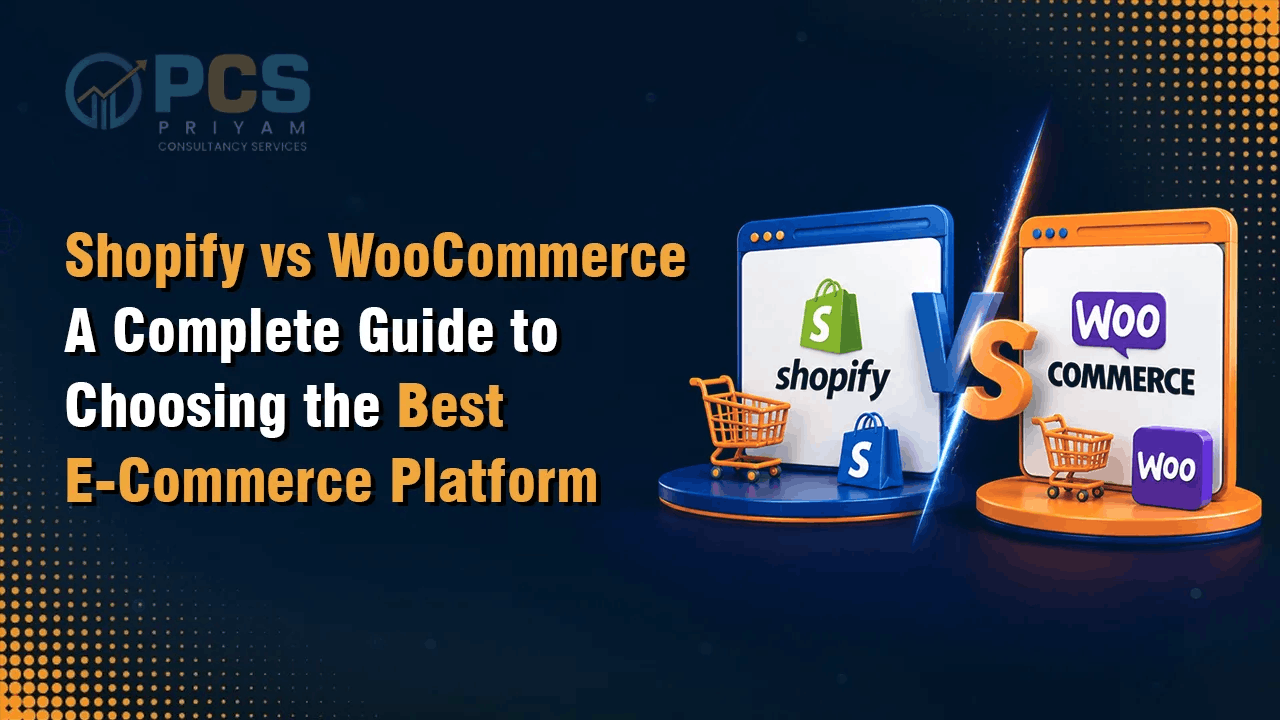
For businesses weighing SaaS vs open-source ecommerce, the trade-off usually comes down to control versus convenience. SaaS platforms like Shopify or BigCommerce offer faster setup and built-in hosting, while open-source options like WooCommerce or Magento give deeper customization at the cost of more hands-on maintenance.
Comparing Platforms: A Framework, Not a Popularity Contest
Search interest around Shopify vs Magento vs BigCommerce is high because business owners want a simple answer, but the honest reality is that "best" depends entirely on context. A boutique fashion brand doing 200 orders a month has very different needs than a wholesale distributor processing bulk B2B orders. This is where choosing right ecommerce platform for B2B business requires looking at features like tiered pricing, quote requests, and net-terms invoicing capabilities most consumer-focused platforms don't prioritize.
Increasingly, mid-size and enterprise brands are also exploring headless commerce solutions, which separate the frontend storefront from the backend engine. This approach supports true omnichannel selling platform strategies, letting a business sell consistently across a website, mobile app, and marketplace listings from one unified backend.
Planning for Growth: Ecommerce Platform Migration Strategy
Outgrowing a platform is common, and switching systems mid-growth is risky if it's not planned properly. An effective ecommerce platform migration strategy for growing businesses includes a full audit of existing product data, customer records, and SEO assets like backlinks and indexed URLs, so rankings and revenue aren't disrupted during the switch. Businesses evaluating the best ecommerce platform for scaling online business should prioritize platforms with proven uptime records, robust API access, and case studies from companies of a similar size not just marketing claims.
What Makes a Trustworthy Ecommerce Platform Recommendation
Not all platform advice online comes from people who've actually managed live stores. A credible ecommerce platform comparison should be built on direct implementation experience real migrations completed, real conversion data reviewed, and real integration issues solved firsthand. When evaluating any agency or consultant offering strategic ecommerce platform consulting, ask for documented case studies, client references, and a clear explanation of how their recommendations are tested rather than assumed. Platforms also update their pricing, features, and app ecosystems frequently, so recommendations should reflect current 2026 capabilities, not outdated comparisons from years ago.
FAQs
1.What is ecommerce platform selection, and why does it matter?
It's the structured process of evaluating shopping cart software against a business's budget, catalog, and growth plans, rather than picking a platform based on trends. Getting it right avoids costly migrations later.
2. How long does choosing the right ecommerce platform usually take?
For most small to mid-size businesses, a thorough evaluation takes two to four weeks, including requirements gathering, shortlisting, and a demo or trial period with top candidates.
3. Is Shopify always the best choice for a new online business?
Not necessarily. Shopify works well for direct-to-consumer brands with standard catalogs, but businesses with complex B2B pricing, heavy customization needs, or very large catalogs sometimes fit better with Magento, BigCommerce, or a headless setup.
4. What's the difference between SaaS and open-source ecommerce platforms?
SaaS platforms handle hosting, security, and updates for a monthly fee, offering convenience. Open-source platforms give full code-level control but require more technical resources to maintain.
5. When should a business consider migrating to a new ecommerce platform?
Common triggers include hitting product or traffic limits, needing better B2B functionality, wanting deeper customization, or experiencing frequent downtime during high-traffic periods.
Final Thoughts
Platform selection isn't a one-time decision it's a strategic foundation that shapes marketing performance, operational efficiency, and how easily a business can scale. Working with a team that offers structured evaluation, real migration experience, and platform-agnostic advice makes the difference between a store that grows smoothly and one that hits avoidable roadblocks.