Effective Micro-Needling Treatments for Acne Scars in Dubai
-

- Published Updated
- 1,280 views
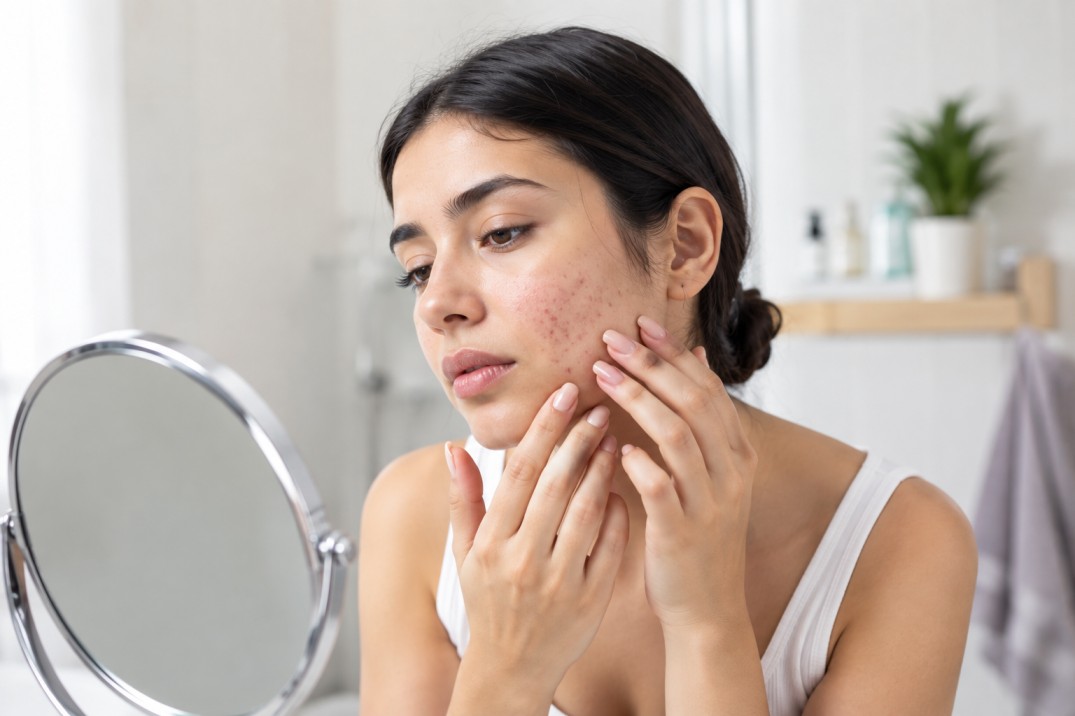
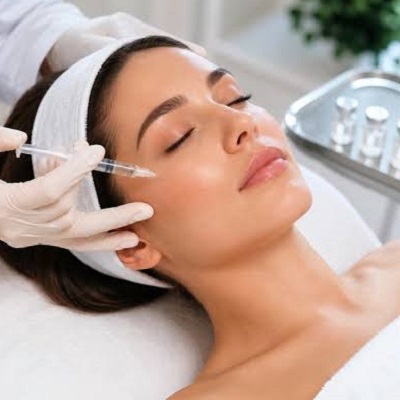
Micro-needling in Dubai is a commonly chosen option for people seeking to reduce acne scars and improve skin texture. This minimally invasive procedure, also called collagen induction therapy, uses small sterile needles to stimulate the skin’s natural repair processes and can be offered in clinical dermatology or aesthetic medicine settings.
- What it is: Collagen induction via controlled micro-injury to the epidermis and dermis.
- Typical sessions: 3–6 sessions spaced 4–8 weeks apart for acne scarring.
- Downtime: Mild redness and sensitivity for 1–7 days, depending on intensity.
- Safety: Best when performed by trained clinicians in regulated clinics; follow local health authority standards.
- Costs: Vary by device, clinic, and add-ons such as PRP or topical serums.
Micro-Needling in Dubai: What to Expect
Purpose and common uses
Micro-needling targets acne scars, fine lines, enlarged pores, and uneven texture by promoting dermal remodeling. For acne scars, the goal is to stimulate new collagen and elastin formation to soften depressed scars and improve overall skin tone.
Typical outcomes and timeline
Visible improvement often appears over several months as collagen matures. Most treatment plans recommend multiple sessions—commonly 3 to 6—spaced four to eight weeks apart. Results vary by scar type, skin type, device settings, and aftercare adherence.
How Micro-Needling Works
Mechanism: collagen induction therapy
Microscopic needles create controlled micro-channels that trigger a wound-healing response. Fibroblasts produce collagen and extracellular matrix components, which can reduce the depth of atrophic acne scars and improve skin elasticity.
Device types and adjuncts
Devices include manual rollers, automated pen systems, and fractional radiofrequency microneedling. Some clinics combine treatment with topical serums, growth factors, or platelet-rich plasma (PRP) to enhance results. Single-use sterile cartridges and regulated device settings reduce infection and complication risk.
Safety, Regulation, and Choosing a Clinic
Regulatory environment and clinic standards
Clinics offering cosmetic procedures in Dubai should operate under local regulations and health authority standards. Look for licensed dermatologists or trained practitioners and clinics registered with the relevant regulator. The Dubai Health Authority provides guidance on licensed healthcare facilities and practitioners for residents and visitors: Dubai Health Authority.
Risks and precautions
Common side effects include temporary redness, swelling, and peeling. Less common risks are post-inflammatory hyperpigmentation (PIH), infection, or worsening of active acne if performed on inflamed lesions. People with keloid tendency, active skin infections, or certain medical conditions may be advised against treatment. Discuss medical history, medications (such as isotretinoin history), and skin type with the treating clinician before starting therapy.
Preparing for Treatment and Aftercare
Before the procedure
A pre-treatment consultation should include skin assessment, discussion of realistic outcomes, and planning for the number of sessions. Avoid strong topical retinoids or recent chemical peels shortly before treatment, as instructed by the practitioner. Local topical anesthetic is commonly used to improve comfort.
During and after the procedure
Treatment time varies by area and device but often lasts 20–60 minutes. Aftercare typically includes gentle cleansing, sunscreen, and avoidance of direct sun exposure until the skin heals. Hydrating serums or prescribed topical agents may support recovery. Full healing time depends on needle depth and individual skin response.
Cost, Session Count, and Factors That Affect Results
Cost considerations
Price per session varies with clinic reputation, device technology, and adjunct therapies. Additional costs may apply for combinations such as PRP or topical therapeutic agents. A consult visit can provide a personalized estimate based on scar severity and the proposed protocol.
What influences effectiveness
Factors that affect outcomes include scar type (boxcar, rolling, ice-pick), skin type (Fitzpatrick scale), number of sessions, technique, device settings, and consistent aftercare. Combining therapies—such as subcision for tethered scars or laser-assisted resurfacing—may be recommended by specialists for certain scar types.
Finding a Qualified Provider in Dubai
Questions to ask during consultation
- What are the clinician’s qualifications and experience with acne-scar treatments?
- Which device and needle depths will be used, and why?
- Are single-use sterile cartridges employed, and what infection-control measures are in place?
- Can the clinic provide before-and-after photos of similar cases and a written treatment plan with costs?
Frequently Asked Questions
Is micro-needling in Dubai appropriate for all types of acne scars?
Micro-needling can improve many atrophic (depressed) acne scars such as rolling and some boxcar scars. Ice-pick scars are often less responsive and may require combination approaches. A licensed dermatologist can assess scar type and recommend the most appropriate treatment plan.
How many sessions are typically needed to see improvement?
Most treatment plans involve multiple sessions—commonly three to six—spaced four to eight weeks apart. Noticeable improvement may appear after several months as collagen remodeling occurs.
Is the procedure painful and what is the downtime?
Topical anesthetic is usually applied to minimize discomfort. Immediate side effects include redness and mild swelling. Downtime typically ranges from one to seven days depending on needle depth and individual skin reaction.
Can micro-needling cause pigment changes in darker skin types?
There is a risk of post-inflammatory hyperpigmentation (PIH) in darker skin types. Experienced practitioners will adjust settings, use appropriate techniques, and recommend pre- and post-treatment care to reduce risk. A patch test or conservative initial treatment can help evaluate response.
How should a clinic be verified before booking?
Verify practitioner credentials, clinic registration with local health authorities, and infection-control practices. Request information about device types, single-use consumables, and follow-up policies. Licensed dermatology clinics and certified aesthetic centers are preferred for invasive or semi-invasive skin procedures.