Warts Removal in Riyadh: Effective Treatments, Clinics, and What to Expect
-
- March 16th, 2026
- 456 views

Get a free topical map and start building content authority today.
Quick introduction
Understanding options for warts removal in Riyadh helps residents choose safe, effective care and avoid unnecessary costs or complications. This guide explains common treatments, how clinics in Riyadh typically approach care, and practical steps for making a decision that matches the wart type and patient needs.
- Detected intent: Informational
- Primary focus: warts removal in Riyadh — treatments, clinics, expectations
- Includes: CLEAR checklist, clinic selection tips, common mistakes, and 5 core cluster questions
- One authoritative source cited for clinical guidance: NHS guidance on warts and verrucas
warts removal in Riyadh: types, causes, and when to see a clinician
Warts are skin growths caused by human papillomavirus (HPV) strains and appear as common warts, plantar warts (verrucas), flat warts, or genital warts. Typical non-genital warts are benign but can be painful, spread, or persist for months. Immediate consultation is recommended for rapidly changing lesions, bleeding, or uncertain diagnosis. Official health agencies such as national ministries of health and dermatology associations provide clinical guidance; local recommendations in Saudi Arabia follow Ministry of Health protocols for dermatology referrals.
Common treatment options available in Riyadh clinics
Treatment selection depends on wart type, location, patient age, and prior attempts at removal. Common clinical options seen in Riyadh include:
- Cryotherapy (liquid nitrogen) — brief freezing sessions in clinics
- Topical keratolytics (salicylic acid preparations) — OTC or clinic-strength
- Laser ablation or electrosurgery — for resistant or large warts
- Immunotherapy (topical or intralesional) — for recurrent warts
- Minor surgical excision — rarely first-line, used selectively
Secondary keywords
Common search phrases used by residents include "wart removal Riyadh clinics", "plantar wart treatment Riyadh", and "cryotherapy for warts Riyadh" — these reflect queries about where to get care and which procedures are available locally.
How to choose a clinic or dermatologist in Riyadh
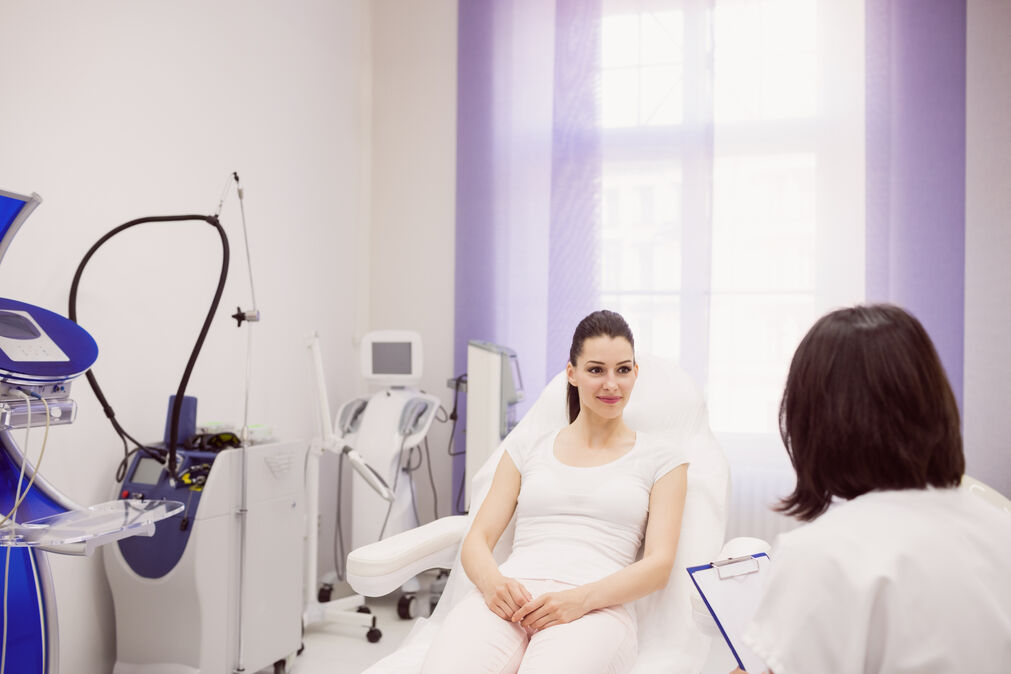
Evaluate clinics on clinical qualifications (board-certified dermatologists), procedure settings (sterile, well-equipped treatment rooms), and clear pricing. Ask whether pre-treatment evaluation includes confirmation of diagnosis and discussion of risks, scarring, and recurrence. Public hospitals, private dermatology clinics, and some general practice centers offer wart treatment; for complex cases ask for a dermatologist referral.
CLEAR wart-treatment checklist (a named framework)
Use the CLEAR checklist when evaluating options and clinics:
- Confirm — Confirm wart type and rule out other skin lesions.
- Location — Note size and location (face, hands, feet affect choice).
- Evaluate — Evaluate prior treatments, allergies, medications, and immune status.
- Ask — Ask about procedure details: pain control, number of sessions, downtime.
- Review — Review follow-up plan and recurrence prevention.
Practical tips for patients
- Bring photos or records of past treatments to the first appointment to speed diagnosis and avoid repeating ineffective therapies.
- Expect multiple sessions for cryotherapy or topical regimens; ask the clinic for an estimated timeline and cost per session.
- Protect feet with footwear if treating plantar warts; avoid self-cutting or home procedures that increase infection risk.
Real-world example: a typical patient scenario in Riyadh
A 28-year-old with a painful plantar wart sought care at a private dermatology clinic in Riyadh. After clinical confirmation, a plan combining clinic cryotherapy every 2–3 weeks and a daily salicylic acid patch at home was chosen. After three clinic sessions and 8 weeks of at-home care, the lesion reduced and symptoms resolved. The CLEAR checklist was used to confirm no contraindications and to set follow-up.
Trade-offs and common mistakes
Treatments trade speed for scarring risk and cost. Cryotherapy acts quickly but may cause temporary blistering or pigmentation changes; surgery removes tissue but increases scarring risk; topical regimens are low-risk but take longer. Common mistakes include:
- Attempting aggressive home removal (risk of scarring and infection).
- Skipping diagnostic evaluation for unusual lesions that require biopsy.
- Expecting a single session cure for longstanding or plantar warts.
Safety, standards, and who to consult
Seek care from licensed dermatology providers. Relevant organizations for best-practice guidance include national health ministries (Saudi Ministry of Health) and dermatology associations such as the American Academy of Dermatology for clinical overviews. For patient-directed, evidence-based advice on common warts and verrucas see the NHS patient information page: NHS — Warts and Verrucas.
Core cluster questions
- How long do treatments for common warts usually take?
- What are the costs of wart removal procedures at Riyadh clinics?
- Which treatments have the lowest recurrence rates?
- When is a biopsy recommended for a wart-like lesion?
- How to care for the skin after cryotherapy or excision?
Finding services and costs
Prices vary by clinic and procedure. Public hospitals may offer lower-cost care, while private dermatology centers typically charge more for convenience and advanced equipment. Always request a written estimate and confirm whether follow-up sessions are included.
Next steps
Use the CLEAR checklist, prioritize clinics with dermatology credentials, and ask for a treatment plan with timelines and expected outcomes. For persistent or suspicious lesions, request a specialist referral rather than repeated home treatments.
FAQ
How long does warts removal in Riyadh take?
Duration depends on the method and wart type: cryotherapy sessions are brief but typically need multiple visits across weeks; topical salicylic acid may require daily use for several weeks. Expect a treatment plan rather than a single-visit cure for many cases.
Are wart removal procedures painful?
Discomfort varies by procedure. Cryotherapy causes a brief stinging or burning; local anesthesia can be used for surgical removal. Discuss pain-management options before treatment.
What is the chance of warts coming back after removal?
Recurrence is common with any method because HPV can persist in nearby skin. Combining clinic procedures with at-home keratolytics and follow-up reduces the chance of recurrence.
Can home remedies be effective for warts?
Some over-the-counter salicylic acid products work for small warts, but aggressive home interventions (cutting, unregulated acids) increase infection and scarring risk. Seek clinical assessment for persistent or atypical lesions.
When should a dermatologist be consulted instead of a general clinic?
Consult a dermatologist for large, painful, recurrent, or atypical lesions, or when prior treatments have failed. Dermatologists can perform biopsies, immunotherapies, or more advanced procedures when necessary.