Emerging Styles in Fashion: Trends, Sustainability, and Digital Innovation
-
- February 23rd, 2026
- 1,388 views

👉 Best IPTV Services 2026 – 10,000+ Channels, 4K Quality – Start Free Trial Now
Emerging Styles in Fashion: Trends, Sustainability, and Digital Innovation
The discussion of emerging styles in fashion highlights how aesthetics, technology, and values combine to shape what people wear and why. This overview examines key currents in contemporary fashion, the forces that influence them, and practical considerations for consumers, designers, and industry observers.
Emerging styles in fashion: what defines the new wave
Context and influences
New styles often reflect broader social, economic, and technological shifts. The rise of sustainability concerns, greater attention to inclusivity, and rapid digitalization are recurring influences. Academic journals such as the Journal of Fashion Marketing and Management document how consumer preferences evolve, while industry reports track market adoption and retail impacts.
Social and cultural drivers
Cultural exchange, social movements, and media ecosystems shape visual language in fashion. Platforms that amplify creators and micro-communities accelerate the spread of niche aesthetics into mainstream awareness. At the same time, demographic changes and generational priorities—such as younger consumers prioritizing values over labels—affect demand for certain styles and product attributes.
Key trends reshaping style
Sustainable and circular fashion
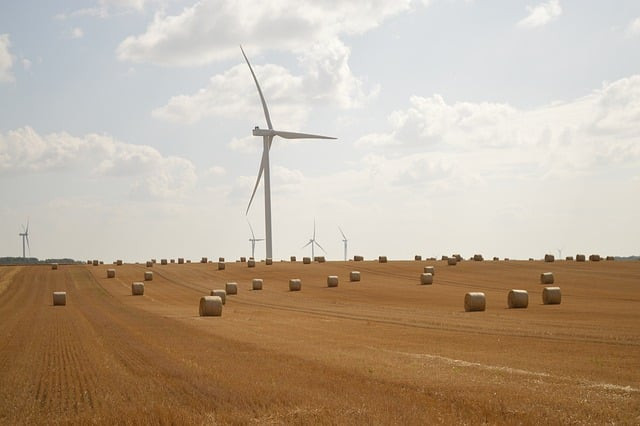
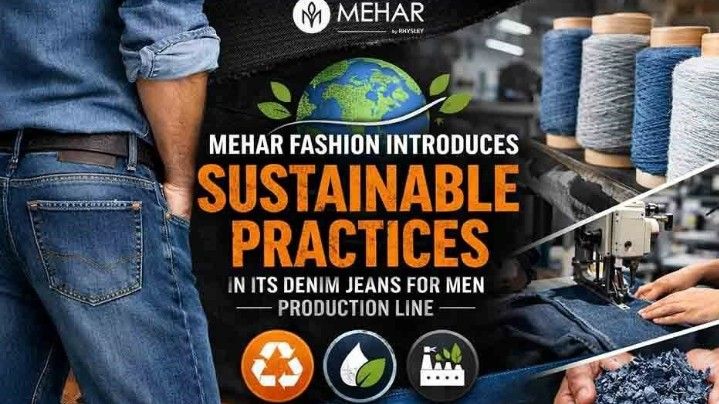
Sustainability remains a central pillar among emerging styles in fashion. Design choices increasingly prioritize lower-impact materials, repair-friendly construction, and systems that support reuse and recycling. Pressure from regulators, non-governmental organizations, and public interest groups has encouraged transparency in supply chains. Organizations such as the United Nations Environment Programme have published guidance on sustainable consumption and production for textiles; more information is available from the United Nations Environment Programme. Certification frameworks and textile standards are also evolving to help consumers assess environmental claims.
Gender-neutral and inclusive design
Design approaches that de-emphasize traditional gender norms are gaining visibility. Emerging collections feature flexible sizing, adaptive garments, and styles intended to be accessible across body types and identities. Inclusivity extends beyond fit to representation and marketing, which increasingly highlight diverse models and narratives.
Tech-enabled and digital fashion
Technological innovation affects both production and presentation. Smart fabrics, 3D knitting, and on-demand manufacturing enable new silhouettes and customization while reducing waste. Digital fashion—virtual garments, augmented-reality try-ons, and non-fungible tokens linked to digital apparel—creates new channels for expression and commerce. Intellectual property and consumer protection issues are part of ongoing policy discussions as digital garments intersect with existing legal frameworks.
Streetwear, hybrid tailoring, and functional aesthetics
Cross-pollination between streetwear and tailoring continues to produce hybrid silhouettes: relaxed fits combined with structured elements, performance fabrics integrated into everyday garments, and functional detailing that reflects lifestyle needs. This blending of casual and formal elements reflects changing workplace norms and a preference for versatility.
How the industry and consumers interact
Supply chains, regulation, and standards
Supply-chain transparency and regulatory scrutiny are rising. Initiatives at national and regional levels target chemical use, worker safety, and waste management. Industry participants increasingly rely on third-party audits, lifecycle assessments, and standardized reporting to substantiate claims. Consumers seeking to evaluate product information can look to recognized standards and regulator guidance when available.
The role of platforms, creators, and community
Digital platforms and creator economies amplify new aesthetics quickly. Independent designers, small brands, and community-driven markets can achieve visibility without traditional gatekeepers. This democratization allows rapid experimentation, but it also presents challenges related to quality control and the proliferation of unverified sustainability claims.
Practical considerations when following trends
Longevity and value
Style trends emerge rapidly, but longevity often depends on construction quality, material choice, and emotional attachment. Evaluating garments for durability and timelessness can help balance participation in trends with resource-conscious purchasing decisions.
Assessing sustainability and authenticity
Claims such as "eco," "sustainable," or "ethical" vary widely in meaning. Look for clear information about materials, production processes, and certifications where available. Official guidelines and reporting frameworks from international organizations and standard-setting bodies can provide context for interpreting labels and claims.
Conclusion
Emerging styles in fashion reflect a convergence of aesthetic experimentation, social values, and technological capability. As designers and consumers interact within a shifting ecosystem of platforms, regulations, and innovations, the most enduring changes are likely to be those that balance creativity with material and social responsibility.
Frequently asked questions
What are the main emerging styles in fashion right now?
Current currents include sustainable and circular design, gender-neutral garments, tech-enabled apparel and digital fashion, and hybrid streetwear-tailoring aesthetics. Adoption rates vary by region and market segment.
How can sustainability claims be verified?
Verification can involve third-party certifications, lifecycle assessments, and transparent supply-chain reporting. Regulatory guidance and recognized standards from international organizations can offer additional context when evaluating labels.
How do digital technologies affect garment design and retail?
Digital tools enable new design workflows (3D modeling, on-demand production), virtual try-on experiences, and digital-only garments. These technologies influence fit, personalization, inventory strategies, and consumer engagement models.
Are emerging styles in fashion likely to be short-lived?
Some trends are cyclical and short-term, while others—such as sustainability and inclusivity—are driven by systemic changes that suggest longer-term impact. Longevity often depends on structural adoption by industry and sustained consumer demand.
Where can more authoritative information be found?
Information from research institutions, industry journals, and international organizations provides reliable context. For environmental guidance related to textiles, official resources are available from intergovernmental programs and standards bodies.