Voluma Filler for Cheek Volume: Safe Steps, Recovery, and Aftercare
-

- March 03rd, 2026
- 510 views

Get a free topical map and start building content authority today.
Voluma filler is a hyaluronic acid-based injectable designed to restore midface volume and lift the cheeks with results that can last up to 18 months. This guide explains how Voluma works, the step-by-step procedure, realistic recovery expectations, and practical aftercare so decisions are informed and outcomes are predictable.
- Primary focus: using Voluma filler to add cheek and midface volume.
- Detected intent: Procedural
- Includes a VOLUMA CARE checklist, recovery timeline, practical tips, and a short real-world example.
- One authoritative source: FDA page on dermal fillers for safety and regulation concerns.
Voluma filler: how it restores facial volume and where it fits
What Voluma is and how it works
Voluma is a branded hyaluronic acid (HA) dermal filler formulated for deeper injection into the cheek and midface to restore structural support and soft-tissue volume. As an HA-based product, it attracts water to provide lift, integrates with tissue, and is gradually degraded by naturally occurring enzymes. Common synonyms and related terms include hyaluronic acid cheek filler, midface filler, and volumizing dermal filler.
Clinical context and safety references
Fillers are regulated medical devices; safety, informed consent, and provider training are essential. For official safety information and device classification, consult the U.S. Food and Drug Administration: FDA — Dermal Fillers.
Who is a good candidate for Voluma filler
Good candidates typically want cheek or midface volume restoration without surgery, have realistic expectations, and are in generally good health. Contraindications include active skin infection at the injection site, certain autoimmune conditions, pregnancy or breastfeeding, and known allergy to product components. A thorough consultation with an accredited clinician should cover medical history, prior filler use, and aesthetic goals.
Step-by-step: Getting Voluma — procedure, technique, and recovery
Before the appointment
- Avoid blood-thinning medications and supplements for 5–10 days where medically appropriate (confirm with prescribing clinician).
- Plan for minimal activity and arrange transportation if anxiety or sedation is used.
- Discuss desired outcome, volume, and entry points during the consultation.
During the procedure
Most Voluma procedures are performed in-office under topical or local anesthesia. The clinician uses either a blunt cannula or fine needle to place the HA into deep subcutaneous or supraperiosteal planes to provide structural lift. Typical treatment volume varies by patient; clinicians often inject in small aliquots and sculpt for symmetry.
Recovery and Voluma cheek filler recovery timeline
- Immediate: mild swelling, redness, or bruising at injection sites.
- 24–72 hours: most swelling peaks and begins to subside.
- 1–2 weeks: residual swelling and minor bruising resolve; final contour becomes visible.
- Months: durable improvement can persist up to 12–18 months depending on metabolism and lifestyle.
VOLUMA CARE checklist (named framework)
The VOLUMA CARE checklist is a simple, repeatable framework to prepare for and manage a Voluma treatment.
- V — Verify medical history and expectations (document prior fillers/surgeries).
- O — Optimize skin condition (treat active inflammation before injection).
- L — Localize injection plan (mark entry points and target planes).
- U — Use aseptic technique and appropriate anesthesia.
- M — Minimal aliquot injections, adjust for symmetry.
- A — Aftercare instructions given in writing; schedule follow-up.
Common mistakes, trade-offs, and safety considerations
Trade-offs to consider
Voluma provides a non-surgical lift with less downtime than surgery but offers more subtle structural change compared with cheek implants or fat grafting. Durability is limited by natural HA breakdown; repeat treatments are needed for maintenance. Placement depth and volume affect both immediate outcome and complication risk.
Common mistakes
- Overfilling in a single session leading to unnatural fullness.
- Injecting too superficially, which can cause visible lumps or Tyndall effect.
- Inadequate screening for vascular risk or infection.
- Choosing an inexperienced injector rather than a certified, trained clinician.
Practical tips for best results
- Choose a clinician with specific training in facial anatomy and filler complications management.
- Start conservative: allow time for swelling to settle before adding more product.
- Follow aftercare: cold compresses for 24 hours, avoid strenuous exercise for 48 hours, and sleep with head elevated the first night.
- Document photos before treatment and at follow-up to assess symmetry and volume needs.
- Know reversal options: hyaluronidase can dissolve HA if vascular compromise or unacceptable results occur—ensure the clinician stocks it.
Short real-world example
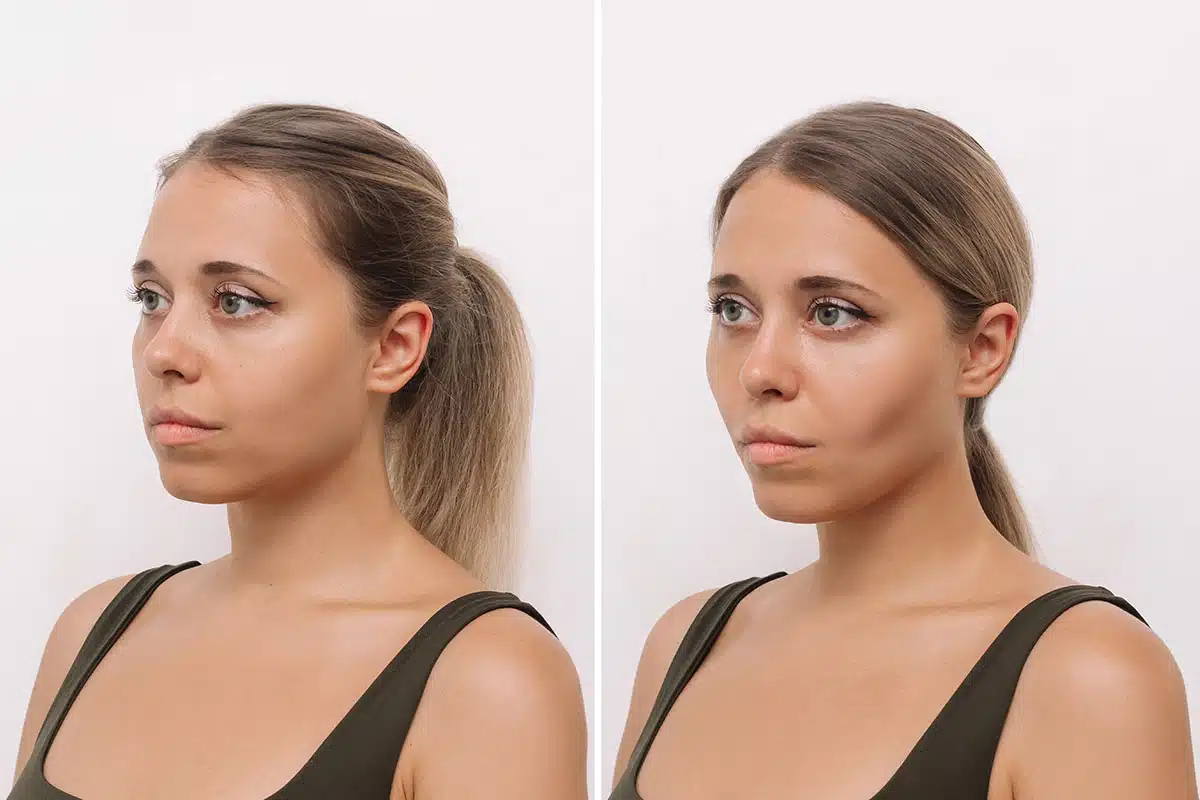
A 52-year-old patient with cheek flattening underwent a single-session Voluma treatment with 1.5 mL total, placed in two deep points per side using a cannula. Mild bruising resolved within 10 days; the patient reported noticeable lift at two weeks and returned for a 6-month review. Photos documented improved midface contour without change to nasal-labial fold treatment, illustrating targeted volumization rather than full-face alteration.
Core cluster questions for further reading and internal linking
- How long does Voluma filler last compared with other cheek fillers?
- What is the recovery timeline after cheek filler injections?
- How to choose between hyaluronic acid cheek filler and fat grafting?
- What are signs of vascular occlusion and how is it treated?
- When is a touch-up recommended after initial Voluma treatment?
FAQs
How long does Voluma filler last?
Results commonly last 12–18 months but vary by metabolism, injection depth, and lifestyle factors. Maintenance sessions are often scheduled annually or when volume diminishes.
Is Voluma filler safe for all skin types?
Voluma is used across skin types, but safety depends on medical history, existing skin conditions, and proper injection technique. A licensed clinician will screen for contraindications and adapt the plan to skin characteristics.
What should be expected during Voluma cheek filler recovery?
Expect mild swelling and bruising that typically peaks within 48–72 hours and subsides over 1–2 weeks. Follow the clinician’s aftercare instructions to minimize downtime and reduce bruising.
Can Voluma be dissolved if results are unsatisfactory?
Yes. Hyaluronidase is an enzyme that can dissolve hyaluronic acid fillers. This option is part of the safety plan and should be discussed before any HA treatment.
How to choose a provider for Voluma injections?
Select a clinician with demonstrated training in facial anatomy and filler complications, verified credentials, before-and-after documentation, and clear emergency protocols. Confirm availability of reversal agents and follow-up care before proceeding.