Practical Pavilion and Gazebo Ideas to Transform Any Backyard
-
- March 03rd, 2026
- 239 views
Enhance Curb Appeal and Outdoor Living with Pavilion and Gazebo Ideas
Well-chosen pavilion and gazebo ideas can extend living space, improve curb appeal, and create a dedicated area for dining, relaxation, or entertaining. This guide covers how to choose the right structure, siting and design basics, realistic cost considerations, and practical steps to move from idea to installation.
Quickly evaluate whether a pavilion or gazebo fits the yard by checking site constraints, intended use, budget band (DIY, kit, or contractor), and maintenance needs. Use the PAVILION Checklist below to plan and a short cost framework to set expectations.
Detected intent: Informational
Pavilion and Gazebo Ideas: How to Choose the Right Structure
Start with the primary use. A pavilion often has an open rectangular footprint suitable for dining and gatherings; a gazebo typically has a polygonal shape with more enclosed, intimate space. Consider accessibility, sightlines to the house, shade patterns, and local codes before finalizing a concept. For backyard pavilion design ideas, sketch how furniture and circulation will fit inside the footprint and how the structure connects to existing patios or paths.
Planning Checklist: The PAVILION Framework
Use the PAVILION Checklist as a practical, repeatable planning framework:
- Purpose — Define primary uses (dining, lounge, guest shelter, pool cabana).
- Access — Plan entry points and ADA-friendly paths if needed.
- Views — Orient for best sightlines to garden features or the house.
- Improve drainage — Verify grade and water flow; add base drainage if necessary.
- Local rules — Check zoning, HOA restrictions, and permit requirements.
- Infrastructure — Map utilities (electric, gas) and plan lighting/heating.
- Options — Decide materials, roof type, and optional screens or glazing.
- Next steps — Budget, design drawings, contractor bids, or purchase a kit.
Siting, Design Choices, and Materials
Siting basics
Place the structure where it complements yard flow—near a pool, overlooking a garden, or adjacent to an outdoor kitchen. Maintain required setbacks and avoid utility easements. For authoritative guidance on landscape planning principles, consult the American Society of Landscape Architects ASLA.
Material and roof options
Common material choices: pressure-treated wood for budget builds, cedar or redwood for longevity and appearance, composite or aluminum for low maintenance. Roofing ranges from asphalt shingles to metal or cedar shakes; choose a roof that matches the house and sheds water efficiently.
Outdoor pavilion vs gazebo: trade-offs
The classic trade-off is scale versus intimacy. Pavilions typically provide larger, flexible space but can require a stronger foundation and higher cost. Gazebos offer a focal point and are easier to site in smaller yards but may limit furniture options. Consider wind exposure—open pavilions can feel drafty in exposed locations without windbreaks.
Budgeting and Cost Considerations (Realistic Ranges)
Budget bands vary widely by size, materials, and whether labor is hired. Typical ranges: DIY kits or small gazebos — low to mid thousands; custom pavilions with electrical and HVAC — mid to high five figures. For a specific metric like gazebo installation cost, get at least three bids and compare scope: foundation type, roof complexity, and finish details drive most variance.
Real-World Example: A Family Dining Pavilion
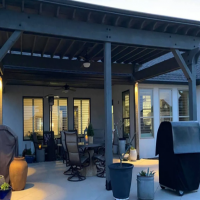
Scenario: A suburban family wants a covered outdoor dining space for year-round use. Using the PAVILION Checklist, site selection favored a flat area adjacent to the back patio. Required permits were secured, a gravel-and-concrete pad installed, and pre-wired electrical conduit was run during construction. The finished 14'x16' pavilion used cedar posts, a standing-seam metal roof for longevity, and retractable screens for insect control — enabling comfortable dining through spring and fall.
Practical Tips for a Smooth Project
- Get a site survey or utility locates before digging to avoid costly repairs or delays.
- Prioritize a proper foundation—post anchors or a concrete pad extend service life and stabilize the structure.
- Design for phased upgrades: rough-in electrical now even if lighting or heaters are added later.
- Choose finishes that match the house to increase perceived cohesion and property value.
- Request maintenance instructions and warranty details for all materials before purchase.
Common mistakes and trade-offs
- Underestimating drainage needs—pooling water around posts causes rot and settlement.
- Skipping permits—can lead to fines or forced removal; always check local building codes.
- Choosing flashy finishes beyond budget—plan for lifecycle costs, not just upfront price.
- Blocking sightlines—avoid placing a pavilion where it obscures important views or creates dark corners near the house.
Core cluster questions
- How much does a basic backyard pavilion typically cost?
- What foundation types work best for gazebos and pavilions?
- How to size a pavilion for outdoor dining and entertaining?
- Which materials balance durability and low maintenance for outdoor structures?
- When is a permit required for a gazebo or pavilion?
Next steps: From Idea to Installation
Document the intended use, set a budget band, collect reference images, and request drawings from a contractor or kit supplier. Keep the PAVILION Checklist visible through planning and construction to reduce scope creep and surprise costs.
Frequently asked questions
What are the best pavilion and gazebo ideas for a small yard?
For small yards, prioritize compact footprints, multi-use furniture, and lightweight materials. A half-enclosed gazebo with built-in benches or a lean-to pavilion attached to an existing wall can create usable space without overwhelming the yard.
How much does gazebo installation cost compared to a pavilion?
Gazebo installation cost is typically lower because of smaller size and simpler foundations; pavilions require larger foundations and sometimes more structural framing. Compare detailed scopes rather than square footage alone.
Do pavilions need a permit?
Permit requirements vary by jurisdiction and depend on size, height, and whether utilities are added. Always check local building department rules and HOA guidelines before construction.
How to maintain wood vs composite pavilions?
Wood needs periodic staining or sealing and inspection for rot. Composite materials resist rot and require less maintenance but may show UV fading; follow manufacturer care instructions.
Can a pavilion be wired for lighting and heaters?
Yes—planning conduit and service panels during construction simplifies later additions. Hire a licensed electrician and confirm permit needs for electrical work.