Essential Elements for a Successful Demand Generation Strategy
-

- February 23rd, 2026
- 1,272 views
A strong demand generation strategy aligns marketing, sales, and product teams to create predictable interest and qualified leads. This guide explains the core elements that make a demand generation strategy effective, how to measure progress, and common challenges with practical solutions.
- Demand generation combines content, data, and process to create and nurture interest across the buyer journey.
- Core components include buyer personas, content strategy, paid and organic channels, marketing automation, and CRM integration.
- Measure both leading and lagging indicators: traffic, engagement, lead quality, conversion rates, and revenue influence.
- A cross-functional roadmap and ongoing testing are required for scalable results.
Core components of a demand generation strategy
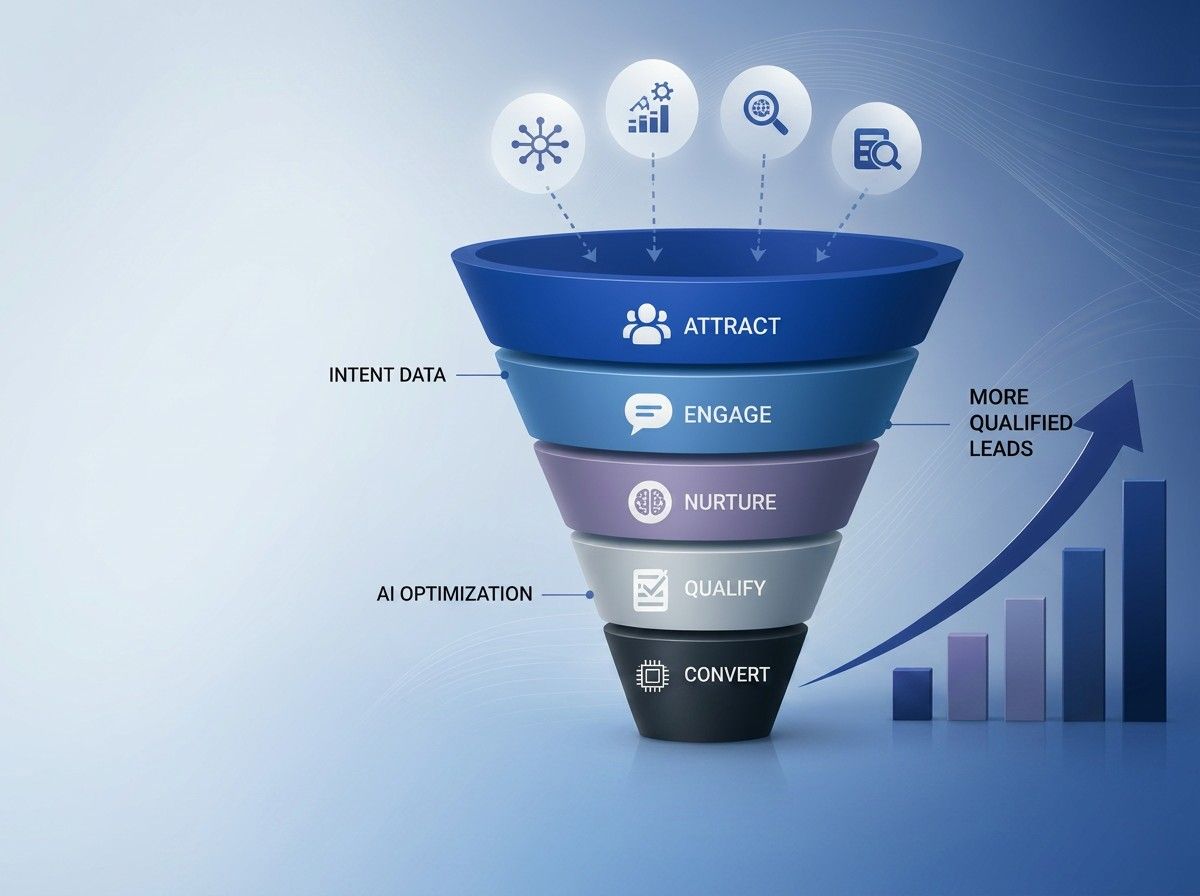
At its core, a demand generation strategy relies on coordinated programs that attract interest (demand creation), convert interest into leads (demand capture), and nurture those leads toward purchase decisions. The following components form the backbone of a repeatable approach.
Buyer personas and the customer journey
Well-defined buyer personas describe the buyer's role, goals, pain points, and decision criteria. Mapping those personas to a customer journey highlights the channels and messages appropriate at each stage—awareness, consideration, and decision. Academic marketing research and practitioner reports recommend documentable personas to reduce waste and improve targeting.
Content strategy and messaging
Content should align to persona needs and journey stages. Awareness content educates and builds trust; consideration content compares options and demonstrates value; decision content addresses objections and highlights differentiation. Formats include articles, reports, webinars, case studies, and interactive tools. Content performance should be evaluated by engagement metrics and influenced pipeline.
Channels and media mix
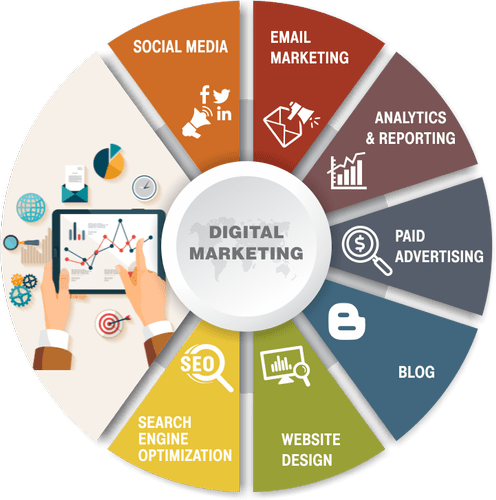
A mix of organic channels (SEO, email, social media, content) and paid channels (search ads, social ads, programmatic) helps reach audiences at scale. Channel selection depends on budget, audience behavior, and product type. Consistent tracking across channels enables budget allocation based on measured return.
Marketing automation and CRM integration
Marketing automation platforms enable lead scoring, nurture workflows, and cross-channel orchestration. Integration with a customer relationship management (CRM) system ensures marketing-sourced leads are routed to sales, and closed-loop reporting links marketing activity to revenue outcomes.
Data, governance, and privacy
Accurate data is essential for segmentation, personalization, and measurement. Implement data governance practices, maintain consent records, and follow applicable regulations. For guidance on compliance and small-business support, consult the U.S. Small Business Administration: https://www.sba.gov.
Measuring and optimizing a demand generation strategy
Measurement should cover both leading indicators that surface momentum and lagging indicators that show business outcomes. Typical metrics include website traffic, content engagement, lead volume and quality, conversion rates, sales-accepted leads, pipeline influenced, and revenue attribution.
Leading vs. lagging metrics
Leading metrics (e.g., qualified traffic, content downloads, email open/click rates) indicate whether programs are generating interest. Lagging metrics (e.g., closed deals, revenue influenced) show final outcomes. Use cohort analysis and attribution models to connect early activity to revenue where possible.
Testing, experiments, and optimization
Structured testing (A/B tests, multivariate experiments, channel pilots) reduces uncertainty and accelerates learning. Establish hypotheses, control groups, and statistically meaningful sample sizes. Iterative optimization improves cost per lead and conversion performance over time.
Common challenges and practical solutions
Alignment between marketing and sales
Misaligned definitions of a qualified lead undermine performance. Create a shared SLA that defines lead stages, expected response times, and handoff criteria. Regular pipeline reviews and shared KPIs support accountability.
Attribution and reporting complexity
Multiple touchpoints complicate attribution. Implement multi-touch attribution or weighted models to distribute credit across interactions. Maintain consistent tagging and UTMs to preserve data quality for analysis.
Scaling personalization without exploding costs
Prioritize segments with the highest revenue potential and automate personalization where possible. Use templates, dynamic content, and programmatic rules to tailor messages efficiently.
Implementation roadmap
Phase 1: Strategy and foundation (0–3 months)
Define personas, map the customer journey, select core channels, and set measurable objectives. Audit existing content and tech stack.
Phase 2: Build and launch (3–9 months)
Produce prioritized content assets, configure marketing automation and CRM integrations, and launch initial campaigns. Establish baseline reporting dashboards.
Phase 3: Optimize and scale (9+ months)
Run experiments, refine targeting and creative, and scale channels that show positive unit economics. Invest in processes and talent for sustainable growth.
References and further reading
Research from marketing journals and trade associations such as the American Marketing Association offers insights on buyer behavior and attribution models. Official guidance on small-business planning and compliance can be found at the U.S. Small Business Administration site linked above.
Frequently asked questions
What is a demand generation strategy?
A demand generation strategy is a coordinated set of marketing and sales activities designed to create awareness, attract interest, convert that interest into qualified leads, and nurture prospects through the buying process. It focuses on both generating demand and capturing demand through targeted content, channels, and processes.
How long does it take to see results from a demand generation strategy?
Time to results varies by industry, product complexity, and budget. Short-term gains from paid channels and campaigns may appear within weeks, while organic strategies and full-funnel optimization often require several months to a year to show consistent, scalable outcomes.
Which metrics matter most for demand generation?
Key metrics include lead volume and quality, conversion rates at each funnel stage, engagement metrics for content, sales-accepted leads, pipeline influenced, and ultimately revenue attributable to marketing efforts. Balance leading indicators and lagging outcomes.
How should teams align around demand generation activities?
Create shared definitions, an SLA for lead handoffs, and joint KPIs. Regular cross-functional meetings and shared dashboards help ensure transparency and continuous improvement.
Can small organizations implement a demand generation strategy with limited resources?
Yes. Prioritize high-impact channels and personas, reuse content across formats, and adopt cost-effective automation tools. Start with experiments and scale investments based on measured performance.