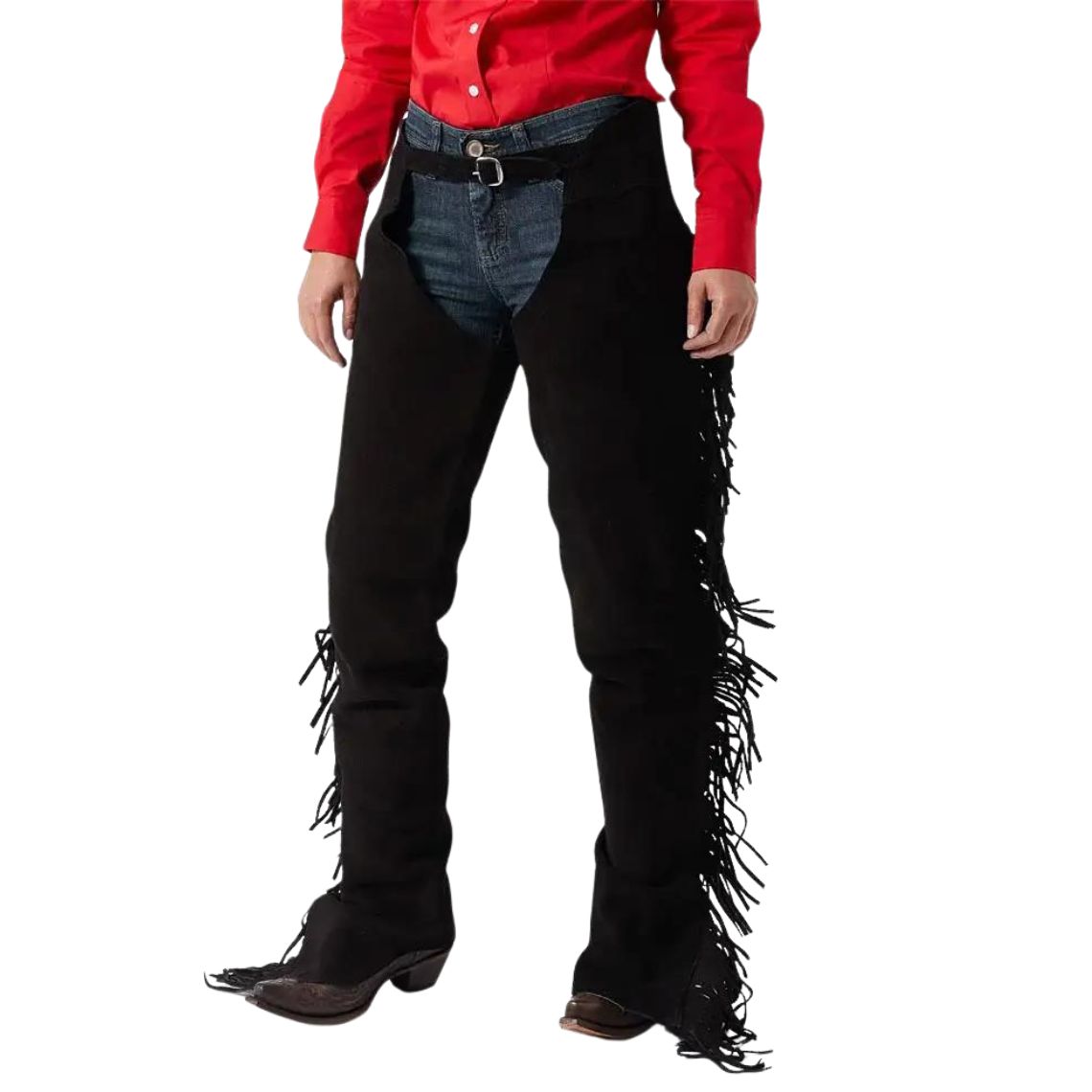
Essential Wardrobe Styles: Practical Guide to Essentials Clothing
-
- February 23rd, 2026
- 1,417 views

👉 Best IPTV Services 2026 – 10,000+ Channels, 4K Quality – Start Free Trial Now
Essentials clothing refers to foundational garments designed for versatility, comfort, and easy coordination. These pieces form the backbone of a functional wardrobe and are often emphasized in capsule wardrobes, minimalist style approaches, and practical everyday dressing. Understanding popular essentials clothing styles helps build outfits that suit different occasions while minimizing clutter and maximizing wearability.
Popular Essentials Clothing Styles
Several recurring style categories define most essentials clothing collections. Each category focuses on neutral colors, adaptable silhouettes, and fabrics chosen for durability and comfort. Typical styles include:
Classic and Tailored
Classic essentials favor clean lines and structured shapes: well-cut trousers, button-up shirts, blazers, and simple dresses. Tailored items are often used to create a polished look for work settings or smart-casual events. Neutral tones such as navy, charcoal, black, and beige make mixing and matching straightforward.
Casual and Everyday
Casual essentials emphasize relaxed fits and durable fabrics: crewneck or V-neck tees, straight-leg jeans, knit sweaters, and casual jackets. These pieces are intended for comfort and frequent wear and work well with layered looks for variable weather.
Athleisure and Functional
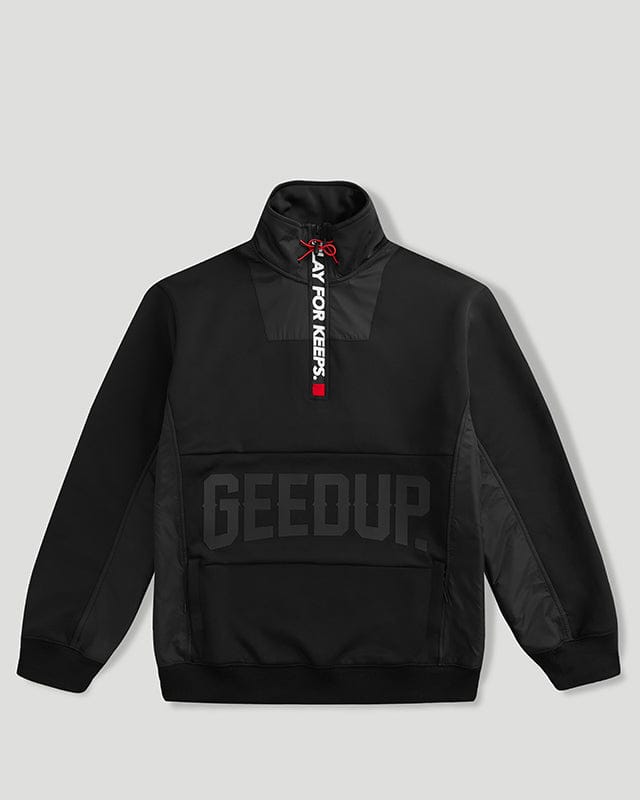
Athleisure essentials blend performance materials with everyday silhouettes: leggings, sweatshirts, sporty jackets, and sneakers. Moisture-wicking fabrics and stretch blends are common, supporting movement while maintaining a simple aesthetic.
Minimalist and Capsule Wardrobe
Minimalist essentials reduce a wardrobe to a limited set of interchangeable garments—typically 20–40 items—that cover most daily needs. This approach prioritizes neutral color palettes, high-quality basics, and pieces that serve multiple roles (e.g., a sweater that works for office and weekend).
Key Pieces for a Versatile Wardrobe
Building a reliable set of essentials clothing starts with a handful of adaptable garments. Recommended core pieces include:
- Neutral T-shirts (cotton or cotton blends)
- Button-down shirt in white or light blue
- Well-fitting jeans in a mid or dark wash
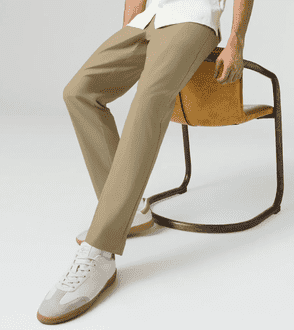
- Chinos or tailored trousers
- A lightweight knit or sweater
- A blazer or structured jacket
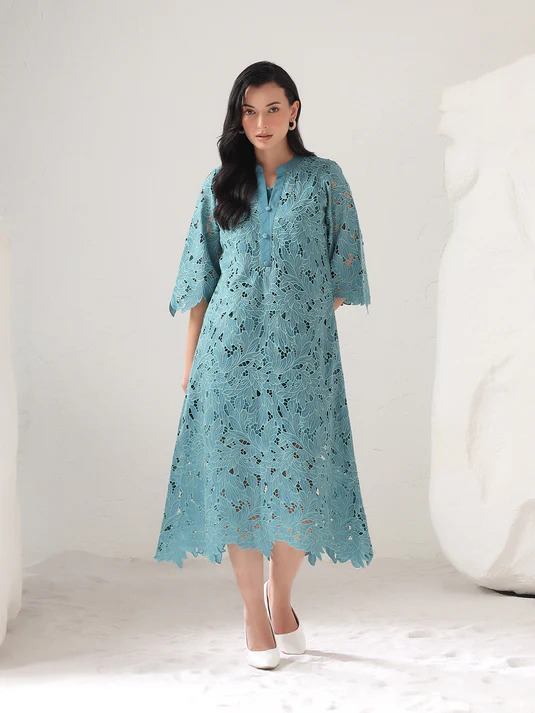
- Simple dress or skirt in a neutral shade
- Outerwear suited to climate: trench coat, parka, or lightweight jacket
- Comfortable shoes for varied use: flats, sneakers, and a dress shoe
Choosing Fabrics and Fit
Fabric choice affects durability, comfort, and seasonal suitability. Common textile options for essentials clothing include cotton (breathability), linen (cooling in warm weather), wool (insulation and drape), and synthetic blends (stretch and quick-drying). Consider fabric care requirements and local climate when selecting materials.
Fit influences silhouette and comfort. Key fit considerations:
- Shoulder seams should align with natural shoulders on structured tops.
- Sleeve length and pant hem should allow movement without excess bunching.
- Opt for slightly tailored shapes for versatility—neither too tight nor overly boxy.
How to Style Essentials for Occasions
Essentials clothing can be adapted for different settings through layering, accessories, and proportion adjustments.
Casual Day
Pair a neutral tee with jeans and a lightweight jacket. Add sneakers and a simple bag for a low-effort, durable outfit.
Smart-Casual
Combine a button-down shirt, chinos, and a blazer. Choose loafers or clean sneakers and minimal accessories to strike a balanced look.
Office or Formal
Select a tailored blazer with matching trousers or a simple dress. Neutral colors and quality fabrics convey polish; keep accessories subdued for a professional appearance.
Caring for Essential Garments
Proper care extends the life of essentials clothing. Follow manufacturer care labels for washing temperatures, drying recommendations, and ironing. When available, consult official guidance on textile labeling and care from regulatory agencies for reliable instructions: U.S. Federal Trade Commission: Textile Labeling Guide.
Additional care tips:
- Wash like fabrics together and avoid high heat to reduce shrinkage.
- Use gentle cycles for delicate items and consider air drying to preserve shape.
- Repair small issues such as loose buttons or minor seams early to prevent further damage.
Shopping and Sustainability Considerations
When selecting essentials clothing, evaluate quality indicators such as fabric weight, seam finishing, and construction. Prioritizing fewer, higher-quality pieces can reduce consumption and environmental impact over time. Look for information about fiber content and manufacturing transparency when available.
FAQ
What are the best essentials clothing pieces for a capsule wardrobe?
Core pieces for a capsule wardrobe include neutral tees, a button-down shirt, one pair of jeans, tailored trousers, a sweater, a blazer, a simple dress or skirt, and versatile outerwear. Choose colors and silhouettes that coordinate well together to maximize outfit combinations.
How often should essential garments be replaced?
Replacement depends on wear frequency and garment quality. High-use items like T-shirts and jeans may need replacing every 1–3 years, while well-made outerwear and tailored pieces can last much longer with proper care.
Which fabrics are easiest to care for in everyday essentials?
Blends of cotton and synthetic fibers tend to be low-maintenance, offering wash-and-wear convenience and reduced wrinkling. For specialized care or longevity, natural fibers such as wool or linen may require more careful handling but provide durability and breathability.
How can fit be tested when shopping online?
Consult size charts and compare garment measurements with well-fitting pieces already owned. Read customer reviews for insight into fit and fabric behavior, and check return policies before purchasing to reduce the risk of misfit items.