Ultra-fast EV Charging Station Market Infrastructure Development: Building the Foundation for Global Electric Mobility
-

- September 08th, 2026
- 3,757 views
Introduction
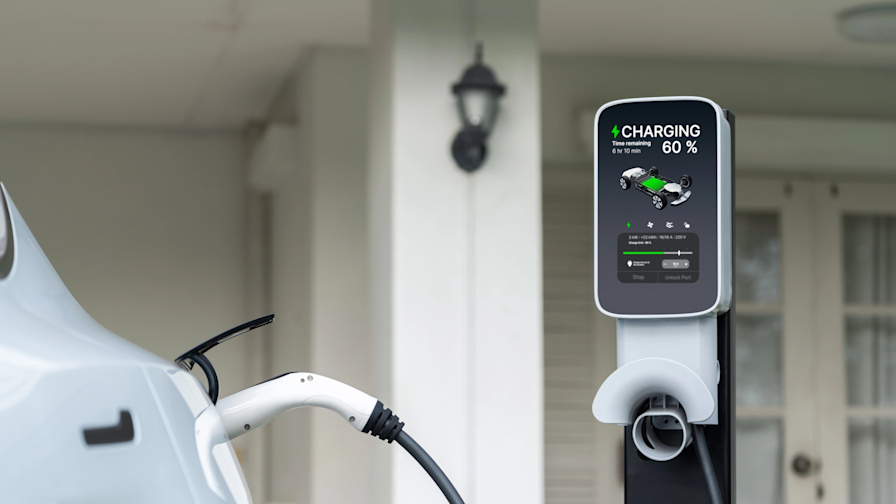
The Ultra-fast EV Charging Station Market is experiencing rapid infrastructure development as governments, private enterprises, and energy providers accelerate investments in electric vehicle charging networks. As electric vehicle adoption continues to rise, the expansion of reliable and high-speed charging infrastructure has become essential for supporting sustainable transportation and reducing dependence on conventional fuels.
Infrastructure development extends beyond simply installing charging stations. It involves strengthening power distribution systems, integrating renewable energy, deploying smart charging technologies, and creating strategically located charging hubs that improve accessibility for consumers and commercial fleets.
The latest Ultra-fast EV Charging Station Market trends indicate that large-scale infrastructure expansion, intelligent energy management, public-private partnerships, and digital connectivity are transforming the global EV charging ecosystem.
Expansion of Public Charging Infrastructure
One of the most significant infrastructure development trends is the rapid expansion of public charging networks. Governments and private organizations are working together to increase the availability of ultra-fast charging stations across cities, highways, and commercial locations.
Major infrastructure expansion areas include:
- Highway charging corridors
- Urban charging stations
- Shopping mall charging facilities
- Public parking areas
- Transit and transportation hubs
Expanding public charging accessibility helps reduce range anxiety and encourages greater electric vehicle adoption.
Development of Highway Fast-Charging Corridors
Long-distance travel requires reliable charging infrastructure along major transportation routes. As a result, companies are investing heavily in highway charging corridors equipped with ultra-fast charging stations.
Benefits of highway charging infrastructure include:
- Reduced travel interruptions
- Improved long-distance EV usability
- Better connectivity between cities
- Increased driver confidence
- Support for tourism and commercial transportation
Highway charging corridors are becoming a vital component of national electric mobility strategies.
Commercial Fleet Charging Infrastructure
The electrification of commercial transportation is driving the development of dedicated charging infrastructure for fleets. Logistics companies, public transport operators, and delivery businesses require charging facilities capable of supporting continuous operations.
Infrastructure developments include:
- Fleet charging depots
- High-capacity charging hubs
- Bus charging terminals
- Commercial vehicle charging centers
- Logistics park charging facilities
These specialized facilities improve operational efficiency while supporting large-scale fleet electrification.
Integration With Smart Grid Infrastructure
Modern charging infrastructure is increasingly integrated with smart grid technologies to improve electricity distribution and energy management.
Smart grid integration enables:
- Dynamic load balancing
- Real-time energy monitoring
- Demand-response management
- Grid stability improvement
- Efficient electricity distribution
Smart grids help charging networks operate more efficiently while minimizing pressure on electrical infrastructure.
Renewable Energy Infrastructure Integration
Sustainability is becoming an important aspect of charging infrastructure development. Companies are integrating renewable energy technologies into charging stations to reduce environmental impact.
Renewable infrastructure includes:
- Solar-powered charging stations
- Wind-supported charging facilities
- Battery energy storage systems
- Hybrid energy solutions
These developments help create cleaner and more sustainable charging ecosystems.
Digital Infrastructure for Connected Charging Networks
Digital technologies are becoming an essential part of infrastructure development. Connected charging networks allow operators to monitor station performance, optimize energy use, and improve customer experiences.
Digital infrastructure features include:
- Cloud-based management systems
- Mobile applications
- Remote diagnostics
- AI-driven analytics
- Digital payment platforms
These technologies improve operational efficiency while enhancing user convenience.
Urban Charging Infrastructure Development
Cities are becoming major centers for charging infrastructure investment due to increasing EV ownership and urban sustainability initiatives.
Urban infrastructure projects focus on:
- Residential charging access
- Workplace charging stations
- Retail charging facilities
- Municipal charging hubs
- Shared mobility charging points
Urban charging availability supports everyday EV use and encourages broader adoption.
Infrastructure Support for Heavy-Duty Electric Vehicles
As heavy-duty electric trucks and buses become more common, charging infrastructure is evolving to meet higher power requirements.
Heavy-duty infrastructure includes:
- High-capacity charging systems
- Freight corridor charging stations
- Bus depot charging hubs
- Industrial charging facilities
These developments support the electrification of commercial transportation and logistics.
Public-Private Partnerships in Infrastructure Development
Collaboration between governments and private companies is accelerating infrastructure expansion. Public-private partnerships help combine financial resources, technical expertise, and operational capabilities.
Partnership initiatives include:
- Joint infrastructure investments
- Shared charging projects
- Utility company collaborations
- Municipal charging programs
These partnerships reduce deployment costs and speed up charging network expansion.
Future Infrastructure Development Outlook
The future of the Ultra-fast EV Charging Station Market will depend on continuous infrastructure investment, technological innovation, and sustainable energy integration. Future projects will focus on expanding charging accessibility, improving grid resilience, and supporting next-generation electric vehicles.
The ongoing Ultra-fast EV Charging Station Market trends indicate that intelligent infrastructure, renewable energy integration, digital connectivity, and large-scale charging networks will define the next phase of market growth.
Conclusion
Infrastructure development is the backbone of the Ultra-fast EV Charging Station Market, enabling the widespread adoption of electric vehicles and supporting the transition toward sustainable transportation. Investments in public charging networks, commercial fleet facilities, smart grids, renewable energy integration, and digital technologies are creating a more reliable and efficient charging ecosystem.
As electric mobility continues to expand worldwide, well-planned infrastructure development will remain essential for ensuring convenient, accessible, and future-ready charging solutions. Companies and governments that prioritize scalable and intelligent infrastructure will play a leading role in shaping the future of global transportation.