Vapour Recovery Units Market Environmental Impact: Technology Supporting Efficient Industrial Vapour Management
-

- Published Updated
- 4,177 views
Introduction
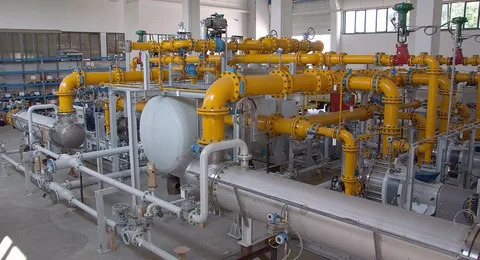
The Vapour Recovery Units Market Environmental Impact is closely connected with the growing adoption of technologies designed to improve vapour capture, resource utilization, energy efficiency, and industrial process control. Vapour recovery units are used across oil and gas, refining, petrochemical, chemical, and storage facilities to collect vapours generated during storage, processing, loading, unloading, and transportation activities.
As industrial operators focus on improving operational efficiency and managing environmental performance, recovery technologies are increasingly being combined with automation, digital monitoring, predictive maintenance, and energy-efficient equipment.
Improving Vapour Capture
One of the primary environmental benefits associated with vapour recovery technology is improved capture of vapour streams generated during industrial operations.
Recovery units can collect vapours and direct recoverable components toward appropriate processing, storage, or reuse systems. This can improve material utilization and reduce avoidable losses during storage and transfer activities.
The effectiveness of the system depends on equipment design, operating conditions, vapour characteristics, and appropriate maintenance.
Resource Recovery and Reuse
Captured vapours may contain commercially valuable hydrocarbon or chemical components.
Recovering these materials can support more efficient resource utilization rather than allowing potentially recoverable products to be lost during industrial operations.
From an operational perspective, this can also create an opportunity to combine resource efficiency with improved environmental management.
Energy Consumption Considerations
The environmental performance of a vapour recovery system also depends on its energy requirements.
Compressors, pumps, cooling systems, and other components consume energy during operation. Manufacturers are therefore developing more efficient equipment and intelligent controls to improve the balance between recovery performance and energy consumption.
Variable-speed compressors can adjust their operating level according to changing vapour loads, potentially avoiding unnecessary energy use.
Role of Industrial Automation
Automation can improve the environmental performance of recovery equipment by allowing systems to respond to actual operating conditions.
Sensors can continuously monitor pressure, temperature, flow, and equipment status. Automated controls can then adjust system operation according to predefined parameters.
This can help prevent unnecessary operation and maintain more consistent recovery performance.
Digital Monitoring
Digital monitoring provides operators with greater visibility into equipment performance.
Connected sensors can provide real-time information about:
- Vapour flow
- Pressure
- Temperature
- Equipment condition
- Energy consumption
- Operating status
This information can help operators identify inefficient operating conditions and take corrective action.
Predictive Maintenance
Maintenance practices can influence the long-term environmental performance of recovery equipment.
Predictive maintenance systems use equipment data to identify unusual operating patterns that may indicate developing problems.
Early intervention can help maintain equipment performance and reduce the likelihood of prolonged inefficient operation or unexpected shutdowns.
It can also support longer equipment lifecycles by addressing component deterioration before more extensive damage occurs.
Environmental Benefits of Modernization
Existing industrial facilities can potentially improve their operational performance through recovery-system modernization.
Older equipment may have limited automation, inefficient components, or inadequate monitoring capabilities.
Retrofit projects can introduce modern sensors, efficient compressors, automated controls, and digital monitoring while allowing operators to continue using existing infrastructure.
Efficient Storage Operations
Storage tanks can experience changing vapour conditions as products are added or removed.
Automated recovery systems can monitor these changes and adjust equipment operation accordingly.
Improved control can support more consistent vapour management while reducing unnecessary equipment operation.
Loading and Unloading Applications
Product transfer operations can create changing vapour loads.
Recovery systems integrated with loading and unloading equipment can respond to these variations through automated valves, sensors, and control systems.
This can improve coordination between transfer activities and recovery operations.
Environmental Role of Advanced Technologies
Different recovery technologies can provide different performance characteristics depending on the application.
Compression, condensation, adsorption, absorption, membrane separation, and hybrid systems can be selected according to vapour composition, flow conditions, pressure, temperature, and recovery requirements.
Choosing an appropriate technology can help operators balance recovery performance, energy requirements, maintenance needs, and facility constraints.
Compact and Modular Systems
Compact and modular recovery units can support environmental performance through flexible system planning.
Modular systems can be configured according to actual capacity requirements, potentially avoiding unnecessarily oversized equipment.
Compact designs can also make modernization more practical at existing facilities where available installation space is limited.
Lifecycle Environmental Considerations
The environmental impact of recovery equipment should be considered throughout its lifecycle rather than only during operation.
Durable components, serviceable designs, upgradeable controls, and reliable equipment can extend system operating life.
Manufacturers can also support lifecycle performance through maintenance programs, equipment upgrades, remote diagnostics, and replacement components.
Advanced Analytics and Optimization
Advanced analytics can help operators evaluate relationships between recovery performance, energy use, and equipment condition.
Historical operational data can identify trends and opportunities for process improvement.
Future systems may increasingly use artificial intelligence to recommend operating adjustments that optimize recovery performance while considering energy requirements.
Importance of Reliable Equipment
Equipment reliability is an important factor in maintaining consistent industrial performance.
Unexpected failures can interrupt recovery operations and require emergency maintenance.
Manufacturers are therefore focusing on robust components, automated diagnostics, condition monitoring, and improved control systems to support reliable operation.
Future Environmental Considerations
Future development is likely to focus on improving the overall balance between recovery efficiency, energy consumption, equipment reliability, and digital control.
Artificial intelligence, smart sensors, advanced analytics, and automated optimization may provide additional opportunities to improve system performance.
Greater integration between recovery units and facility-wide automation platforms could also provide operators with more comprehensive control over industrial processes.
Conclusion
The Vapour Recovery Units Market Environmental Impact is increasingly influenced by improved vapour capture, resource recovery, energy-efficient equipment, automation, digital monitoring, predictive maintenance, and modernization of existing industrial systems.
Modern recovery technologies can help industrial operators manage vapour streams more efficiently while improving equipment visibility and operational control. Manufacturers that combine effective recovery technologies with energy optimization, reliable components, smart automation, and lifecycle support can contribute to more efficient industrial operations.
Learn more:- https://www.pristinemarketinsights.com/vapour-recovery-units-market-report