Dark Circles Treatment in Riyadh: Complete Guide to Causes, Clinics, and Costs
-

- March 05th, 2026
- 436 views
Dark circles treatment in Riyadh is a common search for people seeking cosmetic and medical solutions for under-eye discoloration. This guide explains causes, compares common procedures, and offers practical next steps for choosing safe care in Riyadh.
- Detected intent: Informational
- Primary focus: dark circles treatment in Riyadh
- Quick take: identify cause → select appropriate clinic or dermatologist → follow conservative treatment first → escalate to procedural options if needed
- Core cluster questions:
- What causes dark circles under the eyes?
- Which treatments for dark circles are safest?
- How long do results last from under-eye filler?
- How to prepare for laser or chemical peel for dark circles?
- What aftercare is required after under-eye treatments?
dark circles treatment in Riyadh: quick overview and how to decide
Choosing a treatment starts with a clear diagnosis. Dark circles can be caused by periorbital hyperpigmentation, thin skin showing underlying blood vessels, tear-trough hollows, shadowing from eyelid bags, or a combination. A targeted plan in Riyadh should match the cause: topical agents for pigment, fillers for volume loss, lasers or peels for epidermal/dermal pigment, and surgical options for structural issues.
Common causes and how they guide treatment
Periorbital pigment and melasma-like changes
Hyperpigmentation responds best to topical brighteners (retinoids, azelaic acid, kojic acid), chemical peels, or low-fluence Q-switched/PIQ lasers depending on depth. Sun protection is essential to prevent recurrence.
Vascular dark circles and thin skin
Visible veins or blue-grey discoloration under thin eyelid skin often needs light-reflecting camouflage (cosmetic concealers) or thicker dermal filler placement to reduce translucency. In some cases, vascular-targeting lasers can reduce visible veins.
Volume loss and tear-trough deformity
Tear trough hollows cause shadowing. Hyaluronic acid fillers placed by experienced injectors restore volume and reduce darkness. Selection of product and technique matters to avoid lumps or Tyndall effect.
Treatment options available in Riyadh — pros, cons, and trade-offs
Topical therapies and medical management
Topicals (retinoids, Vitamin C, tranexamic acid) are low-risk and ideal first-line for pigment. Results are gradual and require ongoing use. Sunscreen and lifestyle adjustments (sleep, allergies) are important adjuncts.
Injectables: fillers and platelet-rich plasma (PRP)
Under-eye filler (under-eye filler Riyadh) provides immediate volume restoration. Benefits include quick improvement and minimal downtime; risks include swelling, migration, or vascular occlusion if performed improperly. PRP can improve skin quality for some patients but often requires multiple sessions.
Lasers, microneedling, and peels
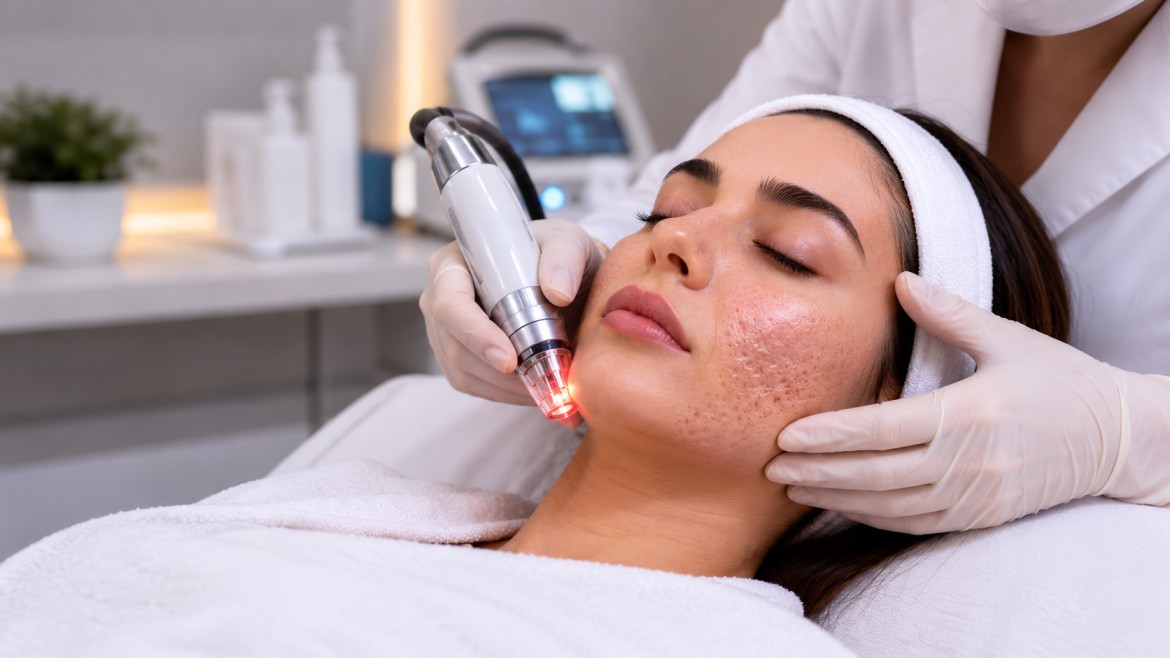
Laser treatment for dark circles Riyadh often targets pigment or superficial vessels. Fractional lasers and chemical peels can improve texture and pigment but can cause temporary redness and require strict sun avoidance after treatment.
Surgical options
Lower eyelid blepharoplasty addresses fat pockets and skin laxity. Surgery is most appropriate for structural problems and has longer recovery and higher upfront cost but can be definitive for the right candidate.
Practical assessment checklist — the DARK checklist
Use the DARK checklist before committing to a procedure:
- D — Diagnosis: Confirm primary cause (pigment vs. vascular vs. volume vs. structural).
- A — Assess risks: Allergies, medical history, prior procedures, skin type (Fitzpatrick scale).
- R — Recommend least invasive first: Topicals and lifestyle changes.
- K — Know expectations: Discuss realistic outcomes, downtime, costs, and maintenance.
Real-world example: choosing a clinic in Riyadh
Scenario: A 35-year-old with hereditary dark circles and tear-trough shadowing seeks improvement. After clinical photos and assessment, a dermatologist prescribes a topical retinoid for 8–12 weeks to address skin quality and then performs hyaluronic acid filler in the tear trough. Follow-up at two weeks confirms satisfactory volume correction and minimal swelling. This staged approach reduced risk and matched treatment to cause.
How much to expect to pay and how to compare clinics
Costs vary by clinic, practitioner experience, and procedure. Noninvasive topicals and light peels are lower cost; fillers and lasers are midrange; surgery is highest. Request before-and-after portfolios, confirm practitioner credentials (dermatologist or oculoplastic/plastic surgeon for surgery), and ask about emergency protocols for injectables.
Safety, standards, and where to find trusted guidance
Safe treatment follows international dermatology and surgical standards. Confirm that clinicians use approved products and sterile technique. For evidence-based overviews of treatments and safety considerations, see guidance from reputable dermatology authorities: American Academy of Dermatology — dark circles overview.
Practical tips for anyone considering treatment
- Book a diagnostic consult first and request clinical photos to track progress.
- Try conservative measures (sun protection, topical brighteners, allergy control) for 8–12 weeks before procedural options.
- Verify injector credentials and ask about hyaluronic acid reversal (hyaluronidase) protocols in case of complications.
- Expect follow-up visits: swelling and bruising are common after fillers and lasers; plan downtime accordingly.
- Maintain results: many treatments require maintenance sessions; confirm the expected duration of effect.
Common mistakes and trade-offs
Common mistakes
- Skipping diagnosis: treating pigment with filler or volume loss with brighteners can worsen results.
- Choosing price over experience: under-eye procedures have a small margin for error; experience matters.
- Expecting a single permanent fix: many solutions require maintenance or combination therapy.
Trade-offs to consider
Noninvasive treatments have lower risk and downtime but slower/less dramatic results. Injectables offer immediate improvement but require maintenance and carry procedural risks. Surgery offers durable structural correction but with higher cost and longer recovery.
How to prepare and aftercare essentials
Preparation: avoid blood-thinning medications as advised by the clinician, stop smoking, and disclose medical history. Aftercare: cold compresses for early swelling, avoid intense sun or heat after lasers or peels, follow topical instructions closely, and attend scheduled follow-ups.
Related search terms and synonyms
Periorbital hyperpigmentation, tear trough filler, under-eye bags, under-eye filler Riyadh, laser treatment for dark circles Riyadh, home remedies for dark circles Riyadh, PRP under eyes, chemical peel for under-eye pigment.
FAQ
How long does dark circles treatment in Riyadh typically last?
Duration depends on the treatment: topical regimens require ongoing use, fillers often last 9–18 months, lasers and peels may require periodic maintenance, and surgery can provide long-term structural correction. Individual results vary by cause and patient factors.
Are under-eye fillers safe and reversible?
Hyaluronic acid fillers are commonly used and considered safe when injected by trained clinicians. They are reversible with hyaluronidase in most cases. Complications are uncommon but can be serious if vascular occlusion occurs, so choose experienced injectors and confirm emergency protocols.
What are non-surgical first-line treatments for pigment?
Topical agents (retinoids, vitamin C, tranexamic acid), strict sun protection, and mild chemical peels are appropriate first-line options. Identification of contributing factors like allergies or sleep issues is also important.
Which clinics in Riyadh offer laser treatment for dark circles?
Many dermatology and aesthetic centers in Riyadh offer laser treatment for dark circles. When selecting a clinic, verify clinician credentials, request before-and-after photos for similar skin types, and confirm that equipment and post-care protocols align with international safety standards.
How to manage expectations before any procedure?
Discuss realistic goals with the clinician, ask about likely improvement versus complete elimination, understand downtime and costs, and prefer staged treatments that start conservatively.