Evidence-Based Supplement Strategies to Maximize Workout Results
-

- March 08th, 2026
- 1,207 views

Get a free topical map and start building content authority today.
Fitness supplements are commonly used alongside training and nutrition to support performance, recovery, and body composition. This article summarizes the scientific rationale for common supplement types, safety and quality considerations, and practical strategies to get the best results while minimizing risk.
- Protein and creatine have the strongest evidence for improving strength and muscle mass when combined with resistance training.
- Caffeine, beta-alanine, and certain sports drinks can enhance performance for specific activities.
- Regulation of supplements differs from pharmaceuticals; third-party testing and reputable sources help assess quality.
- Diet and training remain the primary drivers of progress; supplements are tools to complement those foundations.
Fitness supplements: evidence and guidelines
Which supplements have strong evidence?
Several supplements have a consistent body of clinical research supporting specific benefits when used appropriately. Protein (whey, casein, or plant-based concentrates) helps meet daily protein targets and supports muscle protein synthesis when combined with resistance training. Creatine monohydrate is one of the most extensively studied supplements; it can increase strength, power, and lean mass in many individuals. Caffeine is supported for improving alertness and short-term performance in endurance and high-intensity efforts. Omega-3 fatty acids, vitamin D, and certain electrolyte formulations can support general health and specific needs, but their direct impact on performance is context dependent.
How to interpret evidence and guidelines
Look for randomized controlled trials, systematic reviews, and position statements from professional bodies such as the American College of Sports Medicine (ACSM). National health agencies, including the U.S. National Institutes of Health Office of Dietary Supplements, provide fact sheets and summaries that clarify common questions about ingredients and safety. For product-specific questions, third-party testing results (see quality section) help verify label claims.
Types of supplements and how they work
Protein and amino acids
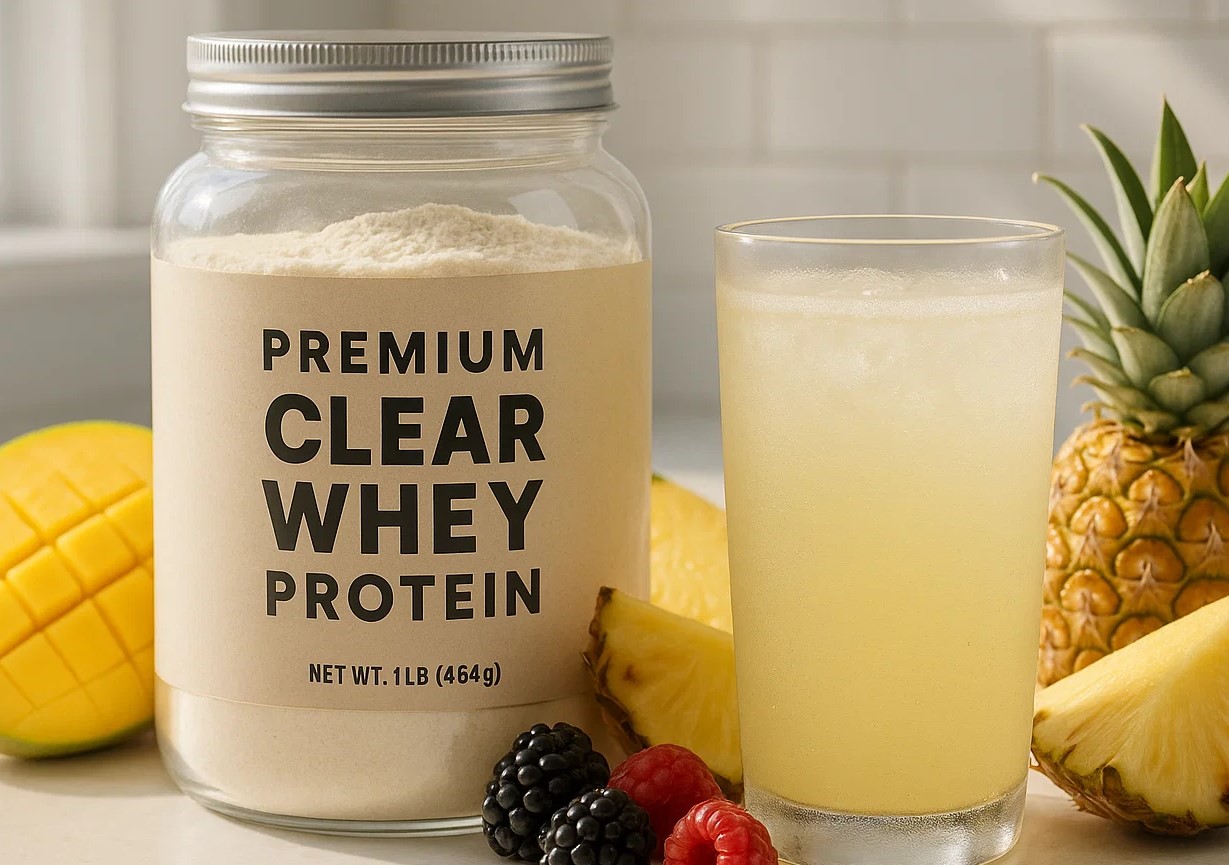
Protein supplements help achieve daily protein goals when diet alone is insufficient. Consuming 20–40 grams of high-quality protein after resistance training stimulates muscle protein synthesis. Branched-chain amino acids (BCAAs) are marketed for recovery, but whole-protein sources provide a broader amino acid profile that is generally more effective.
Creatine, beta-alanine, and performance aids
Creatine increases intracellular phosphocreatine stores, benefiting repeated high-intensity efforts and strength gains. Beta-alanine can improve endurance in high-intensity exercise by increasing muscle carnosine and buffering capacity, usually after several weeks of use. Caffeine is an acute performance aid; timing and dose should match tolerance and event demands.
Hydration and electrolyte products
For prolonged or intense exercise, electrolytes and carbohydrate-containing drinks support fluid balance and fuel delivery. Plain water suffices for many sessions, while sports drinks or electrolyte tablets can reduce risk of dehydration and performance decline during long events.
Timing, dosage, and safety considerations
Timing and dosing principles
Effective supplement use often depends on meeting total daily intake targets rather than isolated timing. Post-workout protein supports recovery, but total daily protein matters most. Creatine typically uses an initial loading phase or a consistent daily dose (e.g., 3–5 g/day) to maintain stores. Caffeine doses commonly range from 3–6 mg/kg body weight but should be tailored to individual sensitivity.
Safety, interactions, and special populations
Supplements can interact with medications or exacerbate health conditions. Products with stimulants may affect sleep, heart rate, or blood pressure. Pregnant or breastfeeding individuals, people with chronic conditions, and those taking prescription medications should consult a qualified healthcare professional before starting supplements. Regulatory oversight differs from pharmaceuticals; in many countries, dietary supplements are not evaluated for efficacy before sale, so vigilance about product quality is important.
Choosing high-quality products
Label literacy
Read Supplement Facts panels for ingredient lists, serving size, and third-party testing seals. Avoid products that make sweeping health claims or list proprietary blends without clear amounts. Established certification marks from independent organizations indicate the product has undergone testing for contaminants and label accuracy.
Third-party testing and reputable sources
Third-party testing programs (independent labs and certification organizations) reduce the risk of undeclared substances, particularly important for athletes subject to anti-doping rules. Regulatory agencies such as the U.S. Food and Drug Administration (FDA) provide guidance about safety reporting and labeling but do not approve most dietary supplements before market entry. For authoritative information on nutrient facts and safety, consult the NIH Office of Dietary Supplements: NIH Office of Dietary Supplements.
Integrating supplements with training and diet
Diet and training remain primary
Optimizing macronutrient intake, energy balance, sleep, and training quality yields the largest gains. Supplements are adjuncts that may fill gaps or provide targeted benefits, not replacements for a structured nutrition and exercise plan.
Tracking effects and adjusting
Monitor objective metrics (strength, body composition, performance times) and subjective responses (sleep, digestion, mood) when introducing a supplement. Change one variable at a time and allow several weeks to evaluate effect. Maintain records of brands, lot numbers, and any adverse reactions.
Regulation and consumer protection
How supplements are regulated
Regulatory frameworks vary by country. In many jurisdictions, supplements are regulated as foods rather than drugs, which affects pre-market review and claims. National regulators and consumer protection agencies publish safety alerts and guidance. Academic research and clinical reviews offer additional context on efficacy and risk.
Frequently asked questions
What are the best fitness supplements for muscle growth?
Evidence supports sufficient daily protein intake and creatine monohydrate as the primary supplements with consistent benefits for muscle growth and strength when combined with resistance training. Individual responses vary; dietary needs and training stimulus are key determinants of outcomes.
Are pre-workout supplements safe?
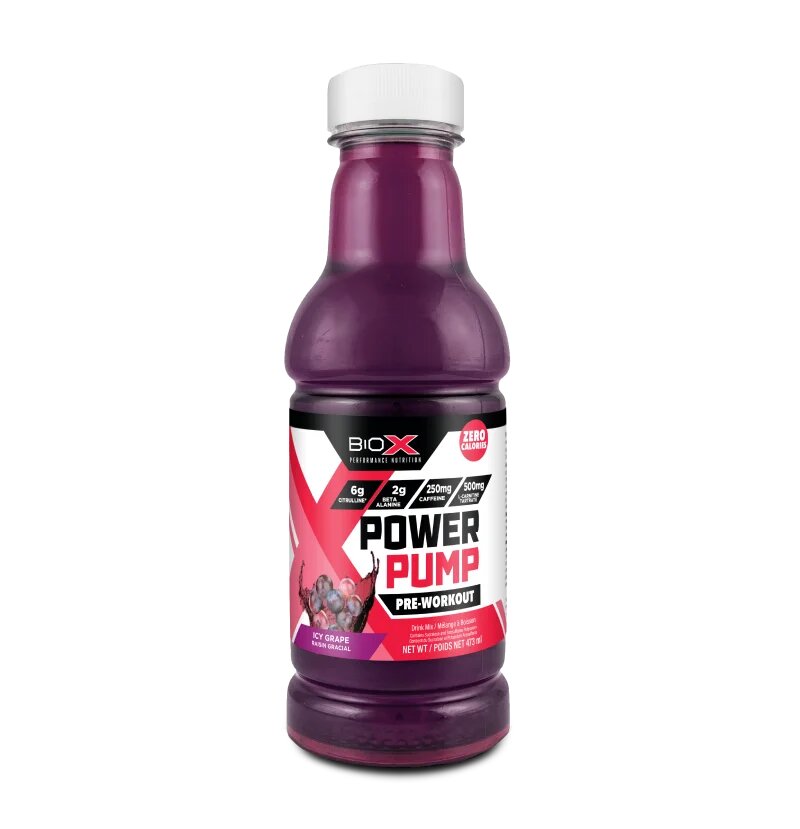
Safety depends on ingredients, dose, and individual sensitivity. Some pre-workout products contain stimulants, high caffeine, or proprietary blends. Using products from companies that follow good manufacturing practices and display third-party testing results reduces but does not eliminate risk.
When should supplements be used versus obtaining nutrients from food?
Food provides a broad mix of nutrients and bioactive compounds; supplements are useful when dietary intake is inadequate, when convenience is needed, or to provide specific doses demonstrated to be effective (e.g., creatine, vitamin D). Aim to meet most needs through whole foods and use supplements to address confirmed gaps or performance goals.
How to check if a product is contaminated or mislabelled?
Look for third-party certification, batch testing reports, and sample analyses from independent labs. National regulatory alerts and consumer watchdog reports can identify recalls or safety concerns. Athletes should consult resources from sports governing bodies about approved supplements and testing programs.
Who should be consulted before starting supplements?
Consult a licensed healthcare professional, registered dietitian, or certified sports nutritionist, especially for people with medical conditions, those taking medications, pregnant or breastfeeding individuals, and competitive athletes concerned about anti-doping rules.
References to professional organizations and research can help guide decisions: review position statements from exercise science and nutrition societies and consult national public health resources for current safety information.