Pico Laser Treatment Islamabad: Safe, Effective Skin Rejuvenation Guide
-

- March 13th, 2026
- 185 views
Commercial Investigation
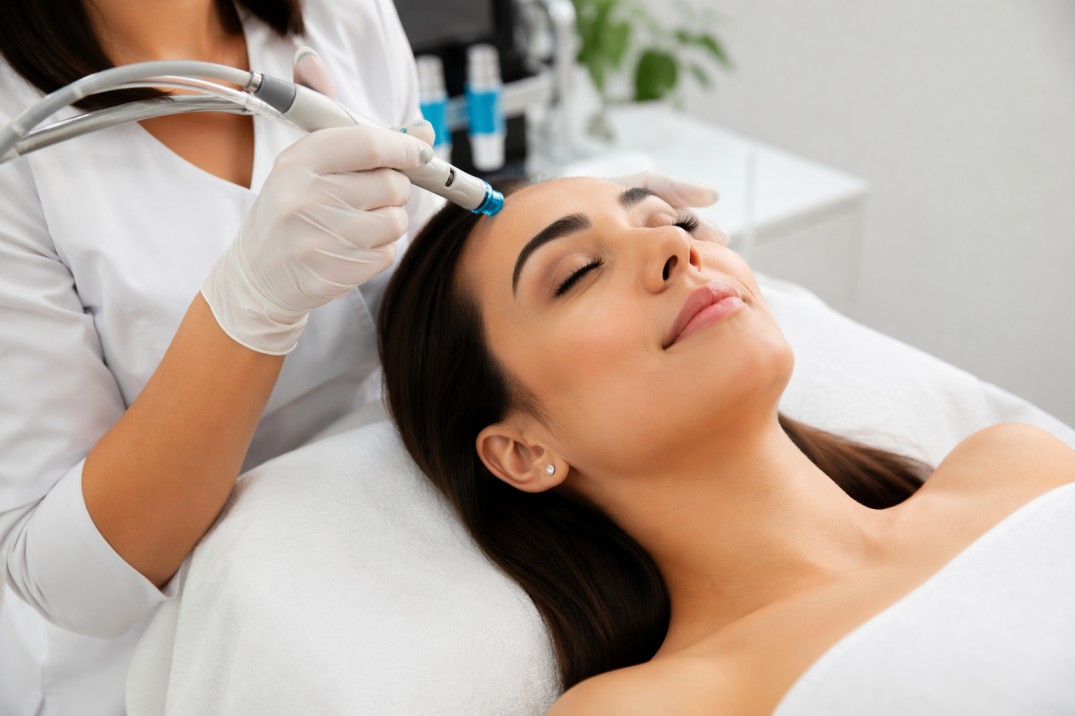
Pico laser treatment Islamabad is a high-precision option for reducing pigmentation, tattoo ink, and improving skin texture. This guide explains how pico (picosecond) lasers work, who is a good candidate, expected results, safety considerations, and local cost factors so informed decisions are possible before booking a consultation.
- Pico lasers deliver picosecond pulses to target pigment and stimulate collagen with minimal heat.
- Best for sun spots, certain melasma cases, tattoo removal, and overall skin rejuvenation.
- Typical course: 2–6 sessions spaced 4–8 weeks apart; downtime is usually short.
- Use the PICO CARE Checklist before treatment and consult a qualified dermatologist or licensed laser clinician.
Pico laser treatment Islamabad: what to expect
How pico lasers work
Pico lasers emit ultra-short pulses measured in picoseconds (trillionths of a second). These pulses create a photoacoustic effect that shatters pigment or tattoo ink into tiny particles that the body clears more easily, while also stimulating collagen remodeling for skin resurfacing. Compared with traditional nanosecond Q-switched lasers, pico devices often require fewer sessions and generate less thermal damage.
Common uses and related terms
Typical indications include pigmentation removal, tattoo removal, acne scar refinement, and skin texture improvement. Related terms to recognize: picosecond laser, picosecond pulse, photoacoustic effect, fractional pico, and laser-assisted rejuvenation.
Candidacy, sessions, and downtime
Who is a good candidate?
Good candidates are people with localized pigment, certain types of melasma, post-inflammatory hyperpigmentation, or old/colored tattoos. People with active infections, open wounds, or uncontrolled skin conditions should delay treatment. Darker skin tones can be treated safely when protocols are adapted, but risk of post-treatment hyperpigmentation requires experienced providers and conservative settings.
Number of sessions and recovery
Expect 2–6 sessions depending on the concern. Sessions are usually 4–8 weeks apart. Downtime varies by setting and intensity: mild redness and crusting for a few days is common; major downtime is uncommon for non-ablative pico settings.
Costs and local factors in Islamabad
What influences price
Cost factors include the machine model, clinic reputation, practitioner experience, treatment area size, and number of sessions. In Islamabad, prices can vary widely — request a breakdown of per-session cost and an estimated total for the treatment plan.
Practical example
Example scenario: A 35-year-old with sunspots on the cheeks pursued pico laser skin rejuvenation in Islamabad. After an initial assessment, the provider recommended 3 sessions spaced six weeks apart. Visible lightening of spots and improved texture were noted after the second session; mild redness resolved within 48–72 hours each time.
Safety, standards, and the evidence base
Clinical standards and guidance
Laser treatment should follow established dermatologic safety practices and national regulations. For general laser-skin-care guidance and safety information, consult a professional body such as the American Academy of Dermatology for best-practice overviews. American Academy of Dermatology
PICO CARE Checklist (pre-treatment checklist)
- Prepare: Verify credentials of provider and device model; request before/after photos for similar skin types.
- Identify: Confirm diagnosis of pigmentation/tattoo type and realistic outcome expectations.
- Consent: Review risks including hypo/hyperpigmentation and scarring; sign informed consent.
- Optimize: Stop photosensitizing medications and follow pre-treatment skincare advised by provider.
- Aftercare: Confirm post-procedure care plan, sun protection, and emergency contact process.
Practical tips for better outcomes
- Choose a qualified dermatologist or licensed laser clinician with documented pico experience.
- Follow pre- and post-procedure instructions exactly, especially sun avoidance and sunscreen use.
- Start conservatively if skin is darker or if treating melasma; gradual improvement lowers pigment rebound risk.
- Record progress with photos under consistent lighting to judge results objectively.
Trade-offs and common mistakes
Trade-offs
Pico lasers can reduce sessions and thermal damage but may cost more per session than older devices. Aggressive settings risk pigmentary changes; conservative approaches require patience.
Common mistakes
- Failing to confirm the exact device and settings used for previous treatments.
- Neglecting sun protection after treatment, which increases risk of post-inflammatory hyperpigmentation.
- Expecting instant perfection — many conditions need multiple sessions and adjunctive skincare.
Core cluster questions
- How many pico laser sessions are needed for pigmentation?
- Is pico laser safe for darker skin tones?
- What is the recovery time after a pico laser session?
- Can pico laser remove professional and amateur tattoos?
- How does pico laser compare with fractional CO2 for acne scars?
Frequently asked questions
Is Pico laser treatment Islamabad suitable for melasma?
It can be in select cases, but melasma is complex. Providers often combine conservative pico sessions with topical agents and strict photoprotection. An experienced clinician will assess risk of rebound pigmentation before recommending treatment.
How soon are results visible after a pico session?
Some pigment fragmentation and textural improvement may be apparent within weeks, but meaningful results commonly appear after multiple sessions as the body clears pigment and stimulates collagen.
Does pico laser treatment hurt?
Discomfort varies by area and settings; most clinics use topical anesthetic or cooling to improve comfort. Mild stinging or heat is typical during the procedure.
What are signs of a poor outcome to watch for?
Persistent or worsening hyperpigmentation, blistering, infection, or scarring are warning signs. Contact the provider promptly if severe or unexpected reactions occur.
How to choose a clinic in Islamabad?
Look for dermatologists or licensed laser practitioners, confirm device model and maintenance, review real patient photos for similar concerns, and verify clear pre/post care protocols and follow-up policies.