Magic Facelift in Dubai: A Practical Guide to Safer, Youthful Results
-
- February 28th, 2026
- 527 views

Get a free topical map and start building content authority today.
The phrase "Magic facelift in Dubai" covers a range of facelift approaches offered across the city, from combined surgical and minimally invasive techniques to thread lifts and energy-based skin tightening. This guide explains how the procedure is usually delivered, realistic outcomes, recovery expectations, and what to check before choosing a clinic.
Detected intent: Commercial Investigation
Quick take: A Magic facelift in Dubai typically blends targeted surgical lifts with non-surgical refinements (fillers, threads, laser or ultrasound) to refresh facial contours with shorter recovery than a full rhytidectomy. Costs, techniques, and recovery vary by provider; use the checklist below and confirm credentials, before-and-after documentation, and an individualized plan.
Magic facelift in Dubai: what to expect
Terminology varies. In some clinics a "Magic facelift" is a marketing name for a short-scar or limited-incision surgical lift combined with injectable fillers and skin-tightening energy devices. In others it refers to a thread lift (PDO or PLLA threads) plus complementary treatments. Common elements include SMAS adjustment (if surgical), volume restoration with dermal fillers, and skin resurfacing or tightening with radiofrequency or ultrasound devices.
Which techniques are commonly combined?
Surgical vs non-surgical components
- Surgical: mini-lift, short-scar lift, SMAS plication — real tissue repositioning with longer lasting structural results.
- Non-surgical: PDO threads, dermal fillers, neuromodulators, laser or radiofrequency — lower downtime but typically shorter duration.
- Energy devices: ultrasound (HIFU), fractional lasers — used for skin tightening and texture improvement.
Who is a reasonable candidate?
Suitable candidates are adults with mild-to-moderate skin laxity, early jowling, or volume loss who want a refreshed look with reduced downtime compared with a traditional full facelift. Significant excess skin or advanced laxity may still require a formal rhytidectomy for durable correction.
FACELIFT DECISION CHECKLIST
- Verify surgeon qualifications and board credentials.
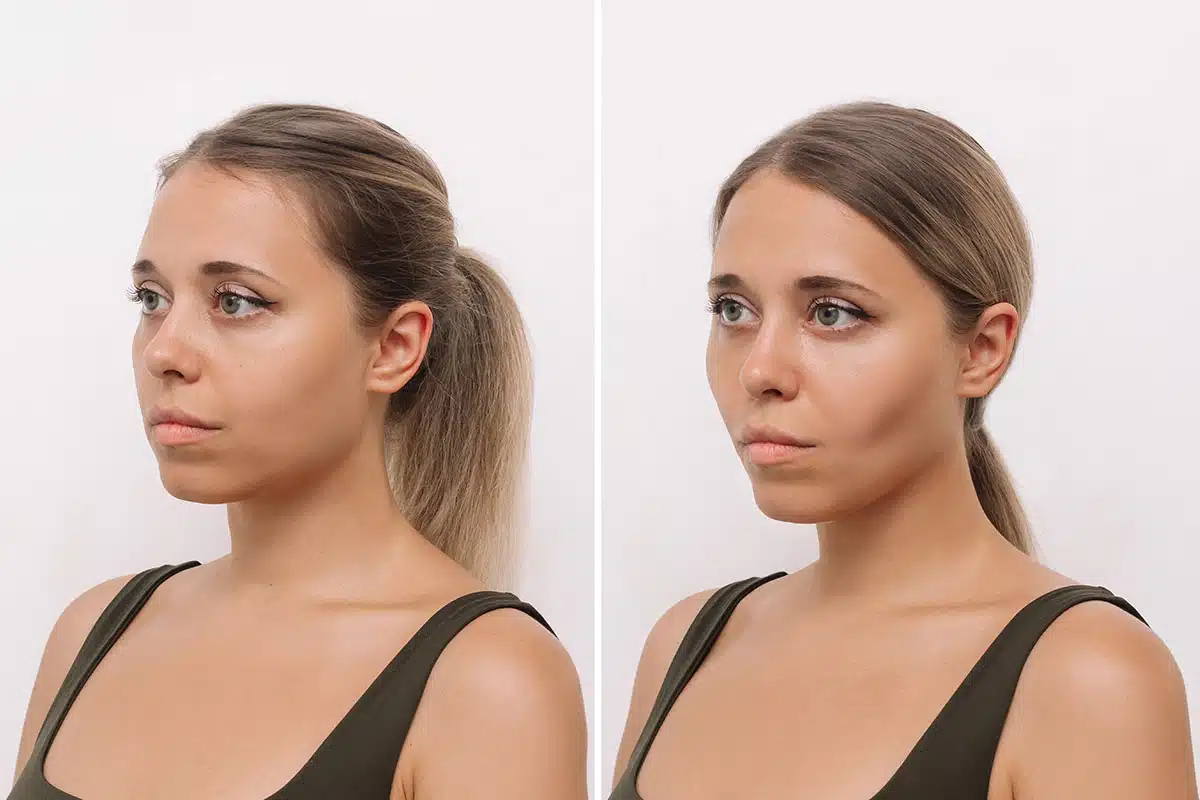
- Request detailed before-and-after photos for the specific procedure advertised as "Magic facelift."
- Ask for a written plan listing each component (surgical, threads, fillers, devices), anesthesia type, and recovery expectations.
- Confirm facility accreditation and post-op care protocols.
- Understand full cost including follow-ups, possible touch-ups, and complication management.
Recovery and downtime: realistic timelines
Recovery depends on the mix of treatments. For a combined approach expect bruising and swelling for 1–2 weeks, with most people returning to social activities in 7–14 days if no major surgery is involved. Mini-lifts may require 2–3 weeks for interruptive swelling and 4–6 weeks for more normal appearance. For detailed safety standards and patient resources, refer to official surgical guidance from professional bodies like the American Society of Plastic Surgeons (ASPS).
Practical tips before booking
- Bring a list of medications and medical history; some blood thinners must be paused safely under medical supervision.
- Request a written consent describing all components and potential complications (infection, asymmetry, thread migration, prolonged swelling).
- Check clinic accreditation and post-op support, including emergency contact and follow-up schedule.
Common mistakes and trade-offs
Trade-offs to consider
- Lower downtime vs longevity: non-surgical and thread-based approaches offer faster recovery but usually shorter-lived results than formal surgical lifts.
- Complexity vs predictability: combining many modalities can optimize results but increases cost and variables affecting outcome.
Common mistakes
- Choosing a clinic on price alone—credential checks and documented outcomes matter more than the lowest fee.
- Expecting identical results to a full facelift from non-surgical techniques—manage expectations based on laxity and skin quality.
- Skipping a thorough consultation—an individualized plan reduces the chance of under- or over-treatment.
Real-world scenario
Example: A 48-year-old with early jowling and cheek volume loss seeks improvement with limited downtime. After consultation, the plan combines a short-scar mini-lift to address descent, filler to restore cheek volume, and fractional laser for skin texture. Downtime: 10–14 days for social recovery, gradual improvement over 3 months. Outcome: improved jawline and midface fullness with longer structural support from the mini-lift and surface rejuvenation from adjunctive treatments.
Practical checklist for the day of procedure
- Bring someone to drive home if sedation or general anesthesia is planned.
- Wear loose, comfortable clothing and avoid jewelry.
- Have a clean recovery area at home with cold packs and prescribed medications ready.
Core cluster questions
- What is the difference between a thread lift and a surgical facelift?
- How long does recovery take after a combined facelift procedure?
- What are realistic costs and what do they cover?
- How to verify a surgeon's credentials and facility accreditation?
- Which nonsurgical options best complement a mini-lift?
FAQ
How long do results from a Magic facelift in Dubai typically last?
Longevity depends on the techniques used: thread lifts and fillers often provide 12–24 months of noticeable improvement; surgical mini-lifts can last several years, and full rhytidectomy usually offers the longest duration. Lifestyle, skin quality, and follow-up maintenance also influence durability.
Is a Magic facelift painful and what is the anesthesia like?
Discomfort varies by procedure. Non-surgical components may use local anesthetic and topical numbing; mini-lifts frequently use sedation or general anesthesia. Pain control protocols are provided by the clinic and pain is usually manageable with prescribed medications.
Can non-surgical options replace a surgical facelift for most people?
Non-surgical options can improve contour and tone for mild-to-moderate aging signs but are less effective for significant skin excess or deep tissue descent. A tailored consultation will determine whether a surgical component is advisable.
What are the typical costs and what should be included in the quote?
Costs vary widely based on clinic, surgeon experience, and procedure mix. A comprehensive quote should include surgeon and facility fees, anesthesia, pre-op testing, follow-up visits, and clearly state the price for any staged or touch-up treatments.
How to choose the right clinic or surgeon for a Magic facelift in Dubai?
Verify board certification, ask for procedure-specific before-and-after images, confirm facility accreditation, read independent patient reviews, and ensure transparent communication about risks and realistic results before consenting.