Future of Digital Banking: Strategy, APIs, and Security for Banks and Fintechs
-

- March 16th, 2026
- 354 views

Get a free topical map and start building content authority today.
Exploratory
The future of digital banking will be shaped by APIs, real-time payments, embedded finance, and stronger security and data governance. This guide explains practical steps banks, credit unions, and fintech teams can take now to compete and comply while preparing for long-term change.
Key trends: open banking APIs, cloud-native platforms, instant payments, AI-driven personalization, and stricter compliance (PSD2/ISO 20022-like standards). Use the DIGIT Framework to plan adoption: Design, Integrate, Govern, Innovate, Trust. Practical steps and a short scenario are included.
future of digital banking — trends, drivers, and what to watch
Digital banking platforms are evolving from mobile-first channels to connective business platforms. Major drivers include open banking APIs, cloud migration, embedded finance partnerships, machine learning personalization, and regulatory changes such as standard message formats and stronger customer authentication. Industry standards bodies and central banks are increasingly influencing settlement and messaging; for example, analysis from the Bank for International Settlements (BIS) highlights central banks' role in payments innovation.
Practical framework: the DIGIT Framework for adoption
Applying a named, repeatable model helps move from strategy to execution. The DIGIT Framework provides five concrete domains:
- Design — Customer journeys, API-first architecture, and UX metrics.
- Integrate — Open banking APIs, partner onboarding, and connectivity to payment rails.
- Govern — Data protection, compliance with AML/KYC rules, and change control.
- Innovate — Pilot programs, sandbox testing, and iterative product development.
- Trust — Encryption, multi-factor authentication, incident response, and customer transparency.
Use the DIGIT checklist to assess readiness: have documented APIs, at least one live third-party integration, a compliance audit plan, a 90-day innovation roadmap, and published security SLAs.
Core technologies and concepts
Open banking APIs and partnerships
Open banking APIs enable secure data sharing with third parties for services such as account aggregation, payment initiation, and lending decisions. That connectivity supports new revenue models and embedded finance offerings.
Real-time payments and settlement
Faster payment rails drive customer expectations for instant transfers and immediate balance updates. Planning must include liquidity, reconciliation, and fraud detection tuned for real-time flows.
Security, privacy, and compliance
Adopt standards such as robust encryption, tokenization, adaptive authentication, and audit logging. Compliance with evolving message standards (e.g., ISO 20022-like migrations) and strong customer authentication should be baked into designs.
Short real-world example scenario
A regional bank launches an open API developer portal, then onboards a fintech that offers small-business cash flow forecasting. Using the DIGIT Framework: the bank designed API endpoints for account and transaction access, integrated partner onboarding and sandbox testing, applied governance policies for consent and data retention, ran a three-month pilot to iterate on product features, and published security SLAs to build trust. The result was a new fee-sharing revenue stream and improved small-business retention.
Practical tips to act now
- Start with small, focused pilots that validate customer value rather than full-scale platform rewrites.
- Implement API versioning and developer documentation from day one to reduce integration friction.
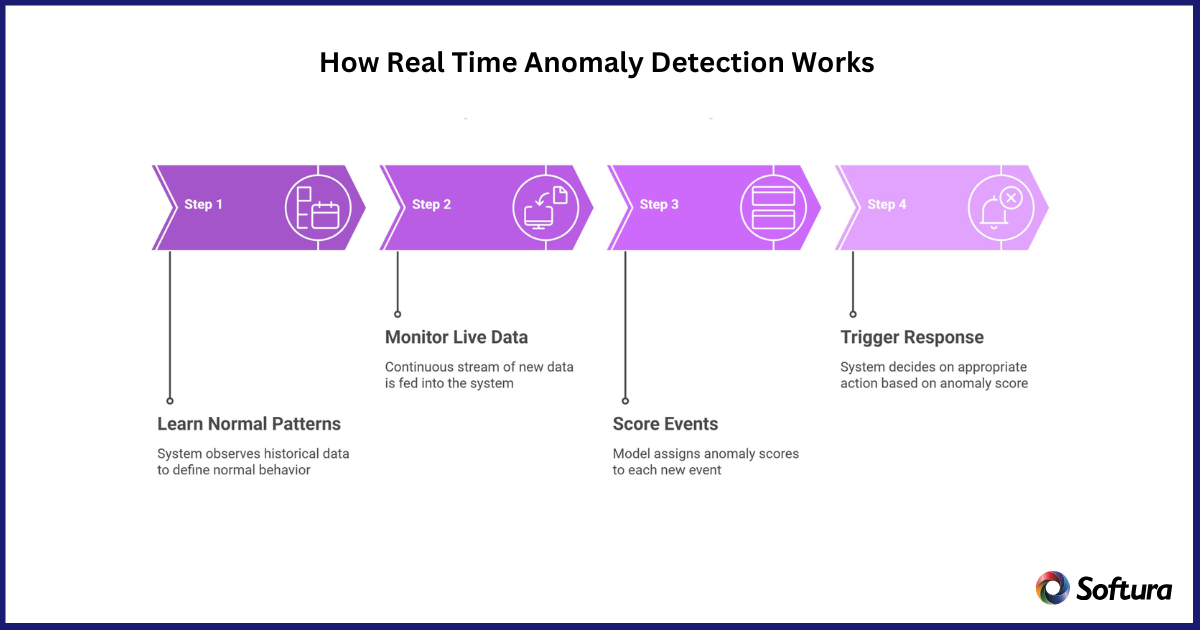
- Invest in observability: real-time monitoring and anomaly detection for payments and API traffic.
- Design consent flows and data retention policies to make compliance audits auditable and repeatable.
Trade-offs and common mistakes
Trade-offs
Speed versus security: faster time-to-market can increase operational risk if controls lag. Customization versus standardization: deep customization improves product fit but raises maintenance costs; adopting common API standards reduces long-term friction.
Common mistakes
- Skipping partner onboarding testing — leads to broken integrations in production.
- Treating APIs as an IT deliverable instead of a product — results in poor developer experience and low adoption.
- Under-investing in monitoring — late detection of fraud or outages increases customer impact.
Core cluster questions
- How do open banking APIs change bank business models?
- What are the security best practices for real-time payments?
- How to build an API developer portal for a regional bank?
- What governance processes are required for third-party fintech integrations?
- How should banks approach cloud migration for core banking systems?
Implementation roadmap
Begin with maturity assessment (using the DIGIT checklist), then schedule a 3-month pilot, extend to a 12-month integration program for payments and APIs, and conduct quarterly security and compliance reviews. Align product KPIs—activation, retention, and revenue per active user—with technical milestones.
Related entities and standards to monitor
Open banking, PSD2-like regulations, ISO 20022 messaging, KYC/AML frameworks, neobanks, fintech partnerships, cloud-native architecture, tokenization, OAuth 2.0, and strong customer authentication (SCA).
FAQ
What does the future of digital banking look like?
Expect platforms that combine API-based ecosystems, real-time payments, AI-driven personalization, and strong privacy and security controls. Banks that modularize services and enable partner ecosystems will capture new revenue streams.
How do open banking APIs affect customer data privacy?
Open banking increases data portability but also requires strict consent, purpose limitation, and clear data retention policies. Implement consent management and transparent user controls to maintain trust.
What are the first technical steps to prepare for real-time payments?
Upgrade reconciliation systems, add real-time monitoring and fraud detection, and ensure liquidity management supports immediate settlement windows.
How should a bank measure success when launching digital banking initiatives?
Track adoption (active API clients), customer activation and retention rates, error/failure rates, time-to-issue resolution, and revenue attributed to new integrations.
Which regulations and standards should be monitored?
Monitor payment and data standards such as ISO 20022-like migrations and regional open banking rules; maintain compliance with AML/KYC requirements and implement strong customer authentication guided by relevant regulators.