Three Cultures, One Seamless Trip: Plan a Kerala–Bali–Malaysia Cultural Journey
-

- March 08th, 2026
- 241 views

Get a free topical map and start building content authority today.
Planning a Kerala Bali Malaysia trip brings together South Indian backwaters, Balinese rice terraces and temples, and Malaysia's multicultural cities and rainforests. This guide explains how to balance culture, logistics, and down-time so a multi-destination route becomes an achievable, enriching vacation.
Detected intent: Informational
What this guide delivers: a practical framework for designing a Kerala Bali Malaysia trip, a sample 14–21 day itinerary, a checklist for priorities (culture, transit, rest), 3–5 actionable travel tips, trade-offs to consider, and five core cluster questions for deeper planning.
Why combine Kerala, Bali and Malaysia?
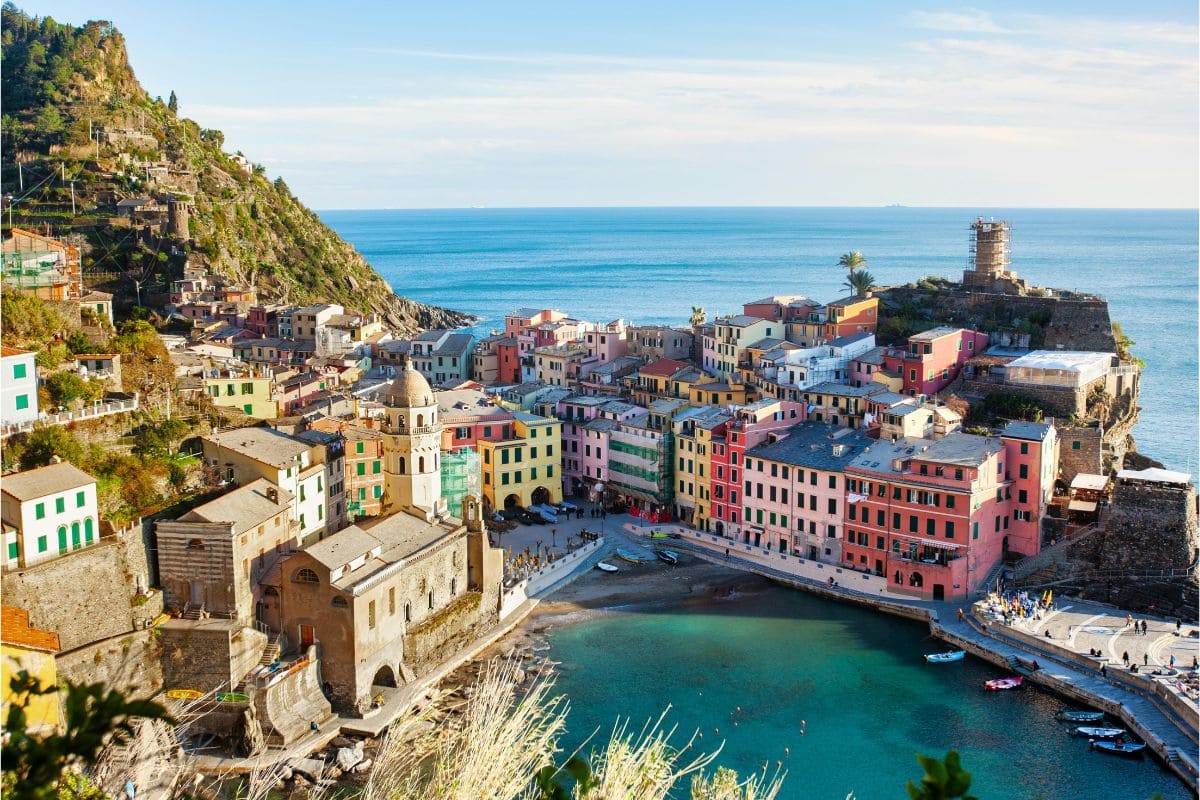
These destinations each showcase distinct cultural patterns worth experiencing together: Kerala offers traditional Ayurvedic wellness, houseboat life on the backwaters, and classical performing arts; Bali delivers Hindu temples, rice-terrace landscapes, and dance forms; Malaysia provides a blend of Malay, Chinese, and Indian heritage, plus tropical rainforests. Combining them creates a comparative cultural arc—from South India to island Indonesia to peninsular and Borneo Malaysia—without relying on a single-country focus.
Kerala Bali Malaysia trip: where to start and how long to go
Start by choosing a trip length and a travel rhythm. For a balanced experience, allocate 14–21 days: 4–7 days in Kerala, 4–7 in Bali, and 4–7 in Malaysia. That split makes room for both immersive cultural experiences and sensible transit days. Key planning factors include visa requirements, flight connections through major hubs (e.g., Kuala Lumpur, Singapore), and seasonal timing (avoid peak monsoon months in each region when possible).
Sample two-week Kerala Bali Malaysia itinerary
Days 1–5: Kerala — culture and backwaters
Base in Fort Kochi to explore colonial architecture, then move inland for a houseboat on the backwaters and a short Ayurvedic day treatment. Expect spice-market visits, Kathakali or Mohiniyattam performances, and local seafood cuisine centered on coconut and curry leaves.
Days 6–10: Bali — temples and rice terraces
Fly to Bali via a regional hub. Split time between Ubud (culture, crafts, rice terraces) and the coast (temple visits, beach time). Cultural highlights include temple ceremonies, kecak or legong dance shows, and opportunities to observe traditional crafts and offerings.
Days 11–14: Malaysia — city, food, and jungle
Finish with a city-plus-nature combo in Malaysia. Kuala Lumpur offers street food and heritage neighborhoods; Penang adds Peranakan history and murals; Borneo (Sabah or Sarawak) gives rainforest and indigenous-culture options. Choose one angle rather than trying to cover all.
CULTURE Trip Framework: a named checklist for cross-country planning
Use the CULTURE framework to structure decisions and preserve time for meaningful experiences.
- C – Curate priorities (temples, performances, nature walks)
- U – Understand timing (festival dates, monsoon season)
- L – Local logistics (visa, currency, SIM, transport)
- T – Transit strategy (direct vs. hub flights, night travel)
- U – Unpack lightly (pack for humidity, modest temple dress)
- R – Respect customs (temple etiquette, dress, photography rules)
- E – Enjoy deliberately (schedule downtime after travel days)
Checklist example: passports valid 6+ months, one local SIM or eSIM per region, at least one cultural performance booked in advance, travel insurance confirmed, and backup plans for weather disruptions.
Practical planning tips
- Prioritize connections: choose a sensible hub for multi-country flights (Malaysia’s KL or Singapore often serve as effective transfer points) to reduce total travel time between Kerala, Bali and Malaysia.
- Balance active days and recovery days: schedule a full rest or low-activity day after long flights or multi-hour drives.
- Book flagship cultural experiences in advance: performances and guided village visits can sell out, especially during festival seasons.
- Pack for heat and modesty: lightweight, breathable fabrics are essential; keep a scarf or sarong for temple visits.
- Manage currency and payment: keep small local cash for markets and tipping; many urban areas accept cards, but remote places may not.
Trade-offs and common mistakes
Trade-offs to consider
Time vs. depth: covering three regions means less time to go deep in any single place. Choose either a broad comparative trip (this guide) or a single-country deep-dive. Travel pace vs. cost: additional flights raise costs and fatigue but reduce ground transit time.
Common mistakes
- Underestimating transit days—too many moving days reduces cultural immersion.
- Booking too many scheduled tours—leave free time to discover local life.
- Ignoring seasonal weather—monsoons can disrupt houseboat plans in Kerala or rice-terrace views in Bali.
Real-world scenario
Example traveler: A 16-day cultural route allocates 5 days to Kerala (Fort Kochi, houseboat), 5 days to Bali (Ubud & cultural shows), and 6 days to Malaysia (2 days Kuala Lumpur, 4 days in Penang and a nearby nature reserve). This mix preserves a slow start in Kerala, an immersive cultural middle in Bali, and a city/nature finish in Malaysia that eases return logistics through an international hub.
Related planning resources and official guidance
For cultural heritage context and festival timing, refer to international heritage documentation such as UNESCO Intangible Cultural Heritage, which catalogs performance traditions and other elements that can guide dates and expectations.
Core cluster questions
- How many days are ideal in Kerala, Bali, and Malaysia for cultural travel?
- What vaccinations or health precautions are recommended for travel across South India and Southeast Asia?
- How to compare temple etiquette and photography rules in Kerala, Bali, and Malaysia?
- What are cost-saving strategies for multi-country trips in this region?
- Which cultural festivals in Kerala, Bali, and Malaysia are most traveler-friendly?
Packing and preparation checklist
- Valid passport and visa confirmations, printed or digital copies.
- Lightweight clothing, a sun hat, rain jacket, and sturdy walking shoes.
- Plug adapters, travel-first-aid kit, and any necessary medications.
- Copies of cultural bookings (performances, homestays) and local SIM or eSIM options.
Final roadmap
Design the trip in three blocks: slow start (Kerala), cultural core (Bali), and flexible finish (Malaysia). Use the CULTURE framework and the checklist above to keep logistics clear. Reserve at least two flexible days to absorb unexpected local events or weather changes.
Is a Kerala Bali Malaysia trip feasible in two weeks?
Yes—two weeks is feasible with a prioritized itinerary and efficient flight connections. Expect trade-offs in depth; an optimal two-week plan focuses on one highlight per country rather than trying to see everything.
What is the best time of year to visit these destinations?
Season choices depend on region: avoid the peak monsoon in Kerala (typically June–August for heavy rains in parts), check Bali’s wet season (roughly October–April), and pick Malaysia dates by region (West Malaysia has different rainfall patterns than Borneo). Align travel dates with desired festivals or outdoor activities.
How should temple etiquette vary across Kerala, Bali, and Malaysia?
Common rules include modest dress, removing shoes where required, and asking permission before photography. Specific rituals and restrictions vary—follow local signage and guidance from a local host or guide.
Do flights between these regions require overnight connections?
Some routes work best with overnight flights or hub connections through Kuala Lumpur or Singapore. Plan for fatigue and include recovery time after long-haul segments.
Can a budget traveler manage this trip cost-effectively?
Yes, by choosing fewer internal flights, staying in mid-range homestays or guesthouses, eating local food, and prioritizing free or low-cost cultural experiences such as markets and neighborhood walks.