Patient Guide: How to Choose the Best Fat-Melting Injection Clinic in Muscat
-
- April 21st, 2026
- 510 views

Get a free topical map and start building content authority today.
Patients researching fat-melting injections Muscat will find an expanding set of clinic options and treatment types. This guide explains how to evaluate clinics, what to ask at consultations, and how to balance safety, cost, and realistic results.
Detected intent: Commercial Investigation
- Main goal: Compare clinics offering fat-melting injections and choose safely.
- Includes: SAFER Checklist, practical tips, common mistakes, and a short scenario.
- One authoritative reference: FDA approval information about deoxycholic acid (Kybella) for dissolving submental fat (FDA).
fat-melting injections Muscat: How to Choose a Clinic
Start by confirming whether the clinic offers medically indicated fat reduction injections (for example deoxycholic acid for submental fat) and whether licensed medical professionals perform consultations and procedures. Use local licensing checks, professional qualifications, and patient reviews to build an evidence base before booking.
What to compare: services, staff, and safety
Types of injections and expected results
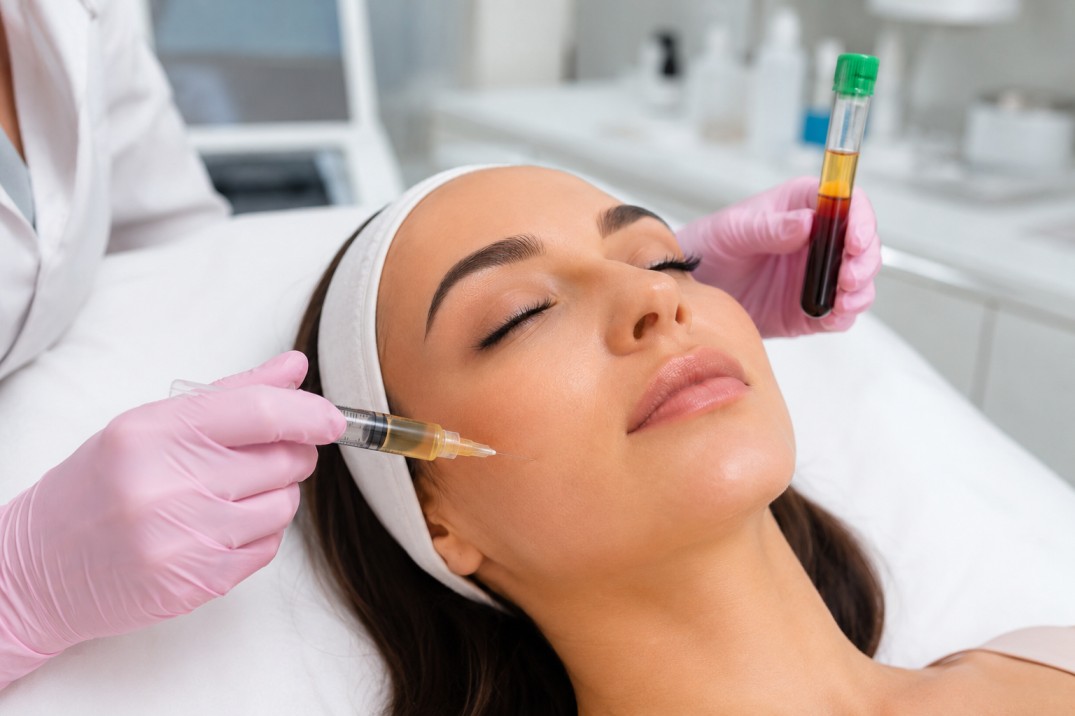
“Fat-melting” can refer to several injectable approaches. Deoxycholic acid (an FDA-approved option for submental fat) chemically disrupts fat cells. Other clinics may offer off-label injectables or combination protocols. Understand the active agent, number of sessions typically required, and expected downtime.
Credentials and facility standards
Confirm that a board-certified physician or suitably trained specialist performs assessments and injections. Check for clinic accreditation, basic emergency equipment, and documented infection control protocols. For non-surgical fat reduction Muscat patients, clinics should provide written consent forms, before-and-after photos, and complication management pathways.
SAFER Checklist: A named decision framework
Use the SAFER Checklist to standardize evaluations when visiting or calling clinics:
- Safety: On-site emergency protocols, sterile technique, and documented adverse event reporting.
- Accreditation: Clinic licensing and practitioner credentials verified against local health authorities.
- Formation: Clear pre-treatment counseling, written consent, and realistic outcome expectations.
- Experience: Volume of procedures, before/after photo library, and specialized training with the injectable used.
- Recovery support: Follow-up care, documented complication management, and easy access to the treating clinician post-procedure.
Practical steps to evaluate clinics in Muscat
- Research clinic listings and filter by staff qualifications and published safety information.
- Book a consultation that includes assessment, photography, and written plan—not a pressure sales pitch.
- Ask for a clear price breakdown: product cost, per-session fees, and follow-up visits.
- Request references or read verified patient reviews; prioritize detailed experiences that mention outcomes and aftercare.
Real-world scenario
A patient, Aisha, sought treatment for a persistent submental bulge. Using the SAFER Checklist she confirmed the clinic’s physician had training with deoxycholic acid, reviewed before-and-after photos, and received a written plan describing expected sessions and downtime. The clinic had an emergency protocol and a scheduled 1-week follow-up call—Aisha proceeded and reported clear communication and predictable recovery.
Core cluster questions for internal linking and topic hubs
- What qualifications should practitioners have for injectable fat reduction?
- How many sessions are typically needed for fat-melting injections?
- What are common side effects and how are complications managed?
- How to compare prices for non-surgical fat reduction safely?
- What follow-up care is standard after fat-melting injections?
Practical tips for patients
- Document the consultation: take notes or ask for a written summary of the treatment plan and expected outcomes.
- Verify the exact product and dose planned—know whether the injectable is approved, off-label, or experimental.
- Plan for follow-up: book the first post-procedure check and confirm how to contact the clinic if adverse effects appear.
- Ask about alternatives: non-invasive options (e.g., cryolipolysis, ultrasound-based treatments) may be better for some areas or body types.
Trade-offs and common mistakes
Trade-offs when choosing a clinic often balance cost against provider experience and safety. Cheaper clinics may reduce support services, use lower-quality products, or schedule rushed consultations. Common mistakes include:
- Accepting a treatment without confirming the active ingredient and its approval status for the treated area.
- Choosing a clinic based only on price or glossy marketing materials rather than clinical evidence and patient outcomes.
- Overlooking follow-up plans or assuming no follow-up is needed—early recognition of complications improves outcomes.
What to expect during and after treatment
Typical immediate effects include swelling, redness, and tenderness for several days to weeks depending on the agent and area treated. Results develop over multiple weeks as the body clears disrupted fat cells. Clinics should supply clear instructions on activity, signs of infection, and when to seek urgent care.
FAQ
Are fat-melting injections Muscat clinics safe?
Safety depends on practitioner training, product selection, and clinic protocols. Verify credentials, confirm emergency procedures, and ensure the clinic discusses risks and alternatives. For example, deoxycholic acid is FDA-approved for submental fat; that approval indicates a defined safety profile when used as studied (FDA).
How many sessions are usually needed to see results?
Sessions vary by agent and area. Some protocols require 2–6 sessions spaced weeks apart. The clinic should provide a personalized estimate during consultation based on anatomy and goals.
What are common side effects and how long do they last?
Common side effects include swelling, bruising, numbness, and localized pain. These often peak within 48–72 hours and gradually resolve over 1–3 weeks. Persistent or worsening symptoms require prompt medical review.
How to verify practitioner credentials in Muscat?
Check the practitioner’s registration with Oman’s Ministry of Health or other local licensing bodies. Ask the clinic for copies of qualifications and proof of specialized training with the injected product.
What should be included in written consent and aftercare instructions?
Written consent should list the active agent, number of sessions, potential side effects, likely timeline for results, and alternatives. Aftercare instructions should cover activity restrictions, signs of complications, contact details for urgent concerns, and scheduled follow-ups.
Choosing a fat-melting injection clinic requires focused comparison of safety protocols, practitioner experience, and realistic outcomes. Use the SAFER Checklist, ask targeted questions at consultation, and prioritize documented follow-up to make a well-informed decision in Muscat.