Maximizing Results of Facial Scar Revision in Dubai: Before-and-After Planning and Care
-
- February 23rd, 2026
- 1,370 views
Facial scar revision Dubai procedures are commonly sought to improve appearance and skin function after injury, surgery, or acne. This guide explains how to plan, prepare, and care for a facial scar revision to help set realistic expectations for before-and-after results and to support safe recovery.
- Research qualified providers and confirm licensing and experience.
- Arrange realistic expectations for before-and-after outcomes; multiple treatments may be needed.
- Follow pre- and post-procedure wound care, sun protection, and follow-up schedules to optimize healing.
- Understand common techniques (surgical revision, laser, injections, topical therapies) and their recovery timelines.
- Verify local regulation and clinic accreditation; consult a licensed specialist for individualized recommendations.
facial scar revision Dubai: choosing a provider and setting expectations
Check credentials and local regulation
Selecting a licensed specialist is a foundational step. Confirm registration with the Dubai Health Authority (DHA) or the relevant health regulator for the clinic and treating clinician. The DHA provides guidance on licensing and accredited facilities for cosmetic and reconstructive services, which helps ensure standards for safety and infection control.
Review experience, techniques, and before-and-after portfolios
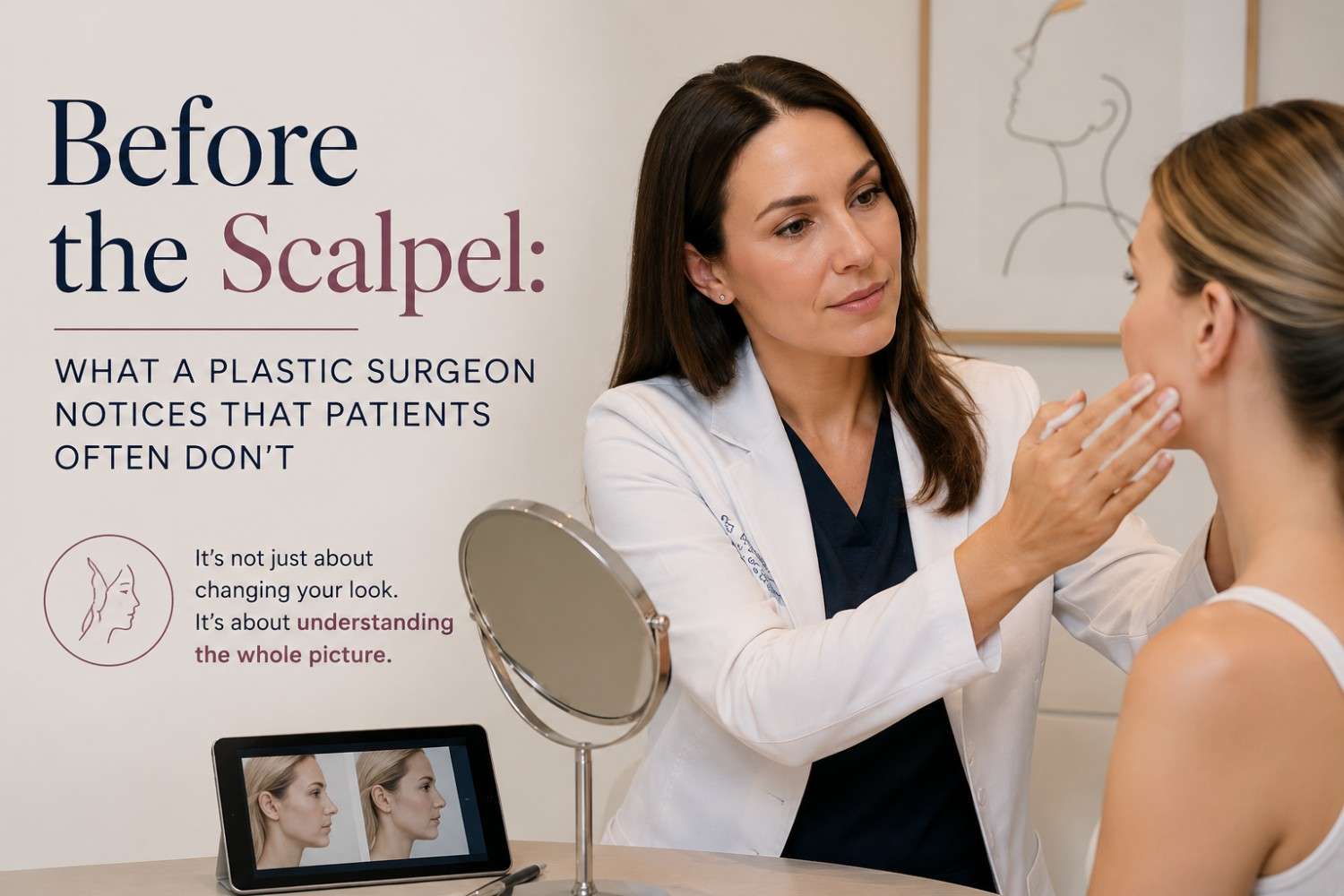
Compare clinicians' experience with scar types similar to the one being treated (atrophic, hypertrophic, keloid, post-surgical, acne scars). Before-and-after photos can illustrate typical outcomes but are not guarantees. Ask about the full treatment plan, including complementary approaches such as laser resurfacing, steroid injections, silicone therapy, or staged surgical revision.
Preparing for a facial scar revision procedure
Medical assessment and informed consent
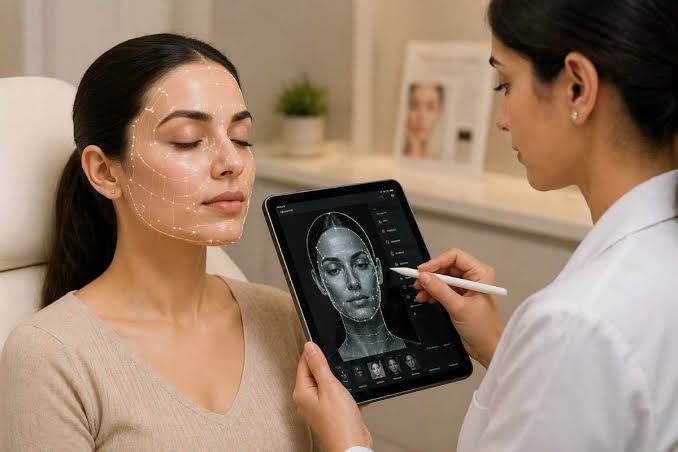
An assessment of scar age, location, skin type, and medical history helps determine the safest option. Discuss anesthesia choices, potential complications, and the expected timeline for recovery. Provide a full medication history—some medications and supplements may affect bleeding or healing.
Pre-procedure steps
Typical recommendations include stopping smoking, avoiding nonsteroidal anti-inflammatory drugs (NSAIDs) if advised by the clinician, and arranging transportation and time off work for recovery. Clear photographs taken before the procedure aid in documenting progress for before-and-after comparison.
The day of the procedure and common techniques
Surgical scar revision
Surgical techniques may include excision and re-orientation of the scar, layered closure, or Z-plasty to reduce tension and improve contour. Local anesthesia is often used for small revisions; larger revisions may require sedation or general anesthesia. Recovery depends on the complexity of the repair.
Non-surgical and adjunctive treatments
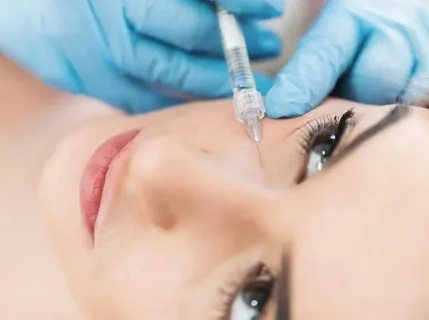
Non-surgical options include laser resurfacing (fractional lasers), microneedling, steroid injections for hypertrophic or keloid scars, dermal fillers for depression, and topical silicone or pressure therapy. Often, combinations of approaches deliver the best before-and-after improvements over months.
Aftercare to optimize healing and before-and-after results
Immediate wound care
Follow the clinician's instructions for wound cleansing, dressing changes, and activity restrictions. Keep incisions protected and avoid tension on the repaired area. Report signs of infection or unusual pain promptly.
Sun protection and scar maturation
Sun exposure can darken and worsen scar appearance. Use broad-spectrum sunscreen, hats, and avoidance strategies during the first 6–12 months while the scar remodels. Scar maturation can take a year or more; gradual fading and texture changes often continue beyond the initial recovery period.
Managing realistic expectations for before-and-after photos
Interpret photos carefully
Before-and-after images may be affected by lighting, camera angle, makeup, or timing. Request standardized photos taken by the clinic at set intervals so progress can be accurately tracked. Understand that multiple sessions or a combination of treatments may be necessary to achieve desired improvements.
Logistics, costs, and travel considerations in Dubai
Planning visits and follow-up
Allow time for initial consultation, the procedure, and follow-up checks. Recovery visits are important for wound assessment and timely intervention if problems arise. For international patients, ensure arrangements for local follow-up or remote communication with the treating team.
Costs and transparency
Request an itemized estimate that includes consultations, facility fees, anesthesia (if any), follow-up visits, and consumables. Clinics should also disclose cancellation and revision policies.
Common risks and when to seek help
Possible complications
Complications may include infection, wound separation, persistent redness, altered sensation, pigment changes, or recurrence of problematic scar tissue. Contact the treating clinic promptly for concerns. Emergency services should be used for uncontrolled bleeding or severe systemic symptoms.
Patient rights and dispute resolution
Patients have a right to clear information, expressed consent, and documentation of care. For formal complaints or questions about licensing, contact the Dubai Health Authority or the appropriate health regulator.
For official information on licensed facilities and practitioners, consult the Dubai Health Authority website: Dubai Health Authority.
FAQ
How long do results from facial scar revision Dubai last?
Results vary by scar type, treatment modality, and individual healing. Many improvements are long-lasting, but scars continue to remodel for 6–12 months or longer. Some conditions, such as keloids, have higher rates of recurrence and may require ongoing management.
What is the typical recovery time after surgical scar revision?
Initial healing generally takes 1–2 weeks for superficial recovery, with activity restrictions for several weeks. Full maturation of the scar may take months. Non-surgical treatments may have shorter recoveries but still require sun protection and follow-up.
Can lasers and injections be combined for better before-and-after results?
Yes. Many specialists use multimodal approaches—surgical revision followed by laser resurfacing, steroid injections, or silicone therapy—to address texture, color, and thickness for improved overall outcomes.
How can pigmentation changes after revision be minimized?
Sun avoidance, broad-spectrum sunscreen, and following post-procedure topical regimens help reduce hyperpigmentation risk. Discuss skin-type specific strategies with the treating clinician.
When should a second opinion be sought?
Seek a second opinion if the proposed plan is unclear, if outcomes are unsatisfactory, or if questions about risks and alternatives persist. A second opinion can clarify options without implying criticism of the first assessment.
Note: This article provides general information. Consultation with a licensed healthcare professional is necessary to determine the most appropriate treatment for an individual case.