How to Climb Imja Tse (Island Peak): Complete Route, Permits, Gear, and Safety Guide
-
- March 03rd, 2026
- 309 views

FREE SEO Topical Map Generator: Find Your Next Content Ideas
The Imja Tse climb is a popular non-technical Himalayan objective that combines trekking, glacier travel, and a final mixed snow/ice summit ridge. This guide explains route basics, permit needs, acclimatization strategies, equipment essentials, and on-mountain safety to help plan a successful ascent.
Detected intent: Informational
- Difficulty: Moderate alpine objective; glacier travel and fixed ropes on summit ridge.
- Typical duration: 10–16 days depending on acclimatization and itinerary.
- Permits: Peak permit plus national park or conservation area fees; issued by Nepal authorities.
- Key preparation: 3-2-1 Acclimatization Framework, ACCLIMB Checklist, crampon and rope skills.
Imja Tse climb: route, difficulty, and permits
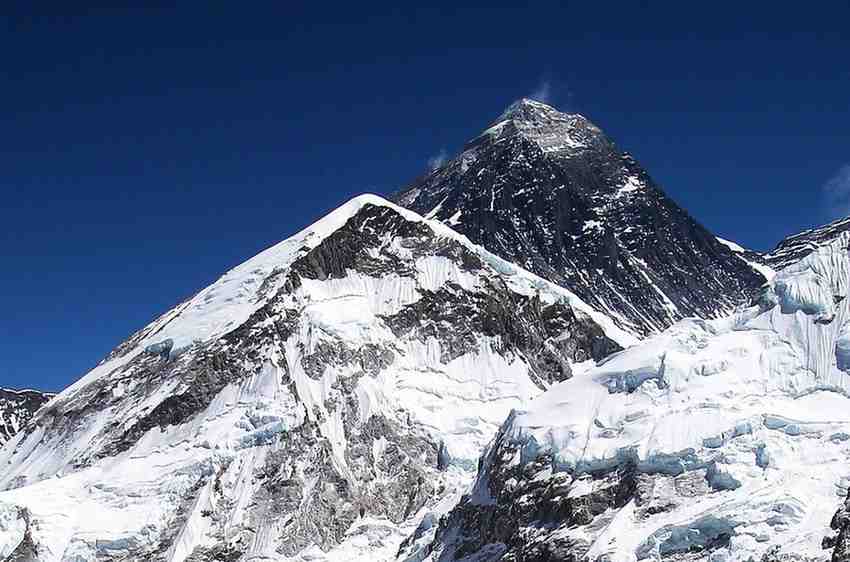
The Imja Tse climb (also known as Island Peak) sits in the Everest region and is approached from Lukla via Namche Bazaar, Dingboche, and Chhukung. The objective blends high-altitude trekking (base camp ~5,100 m) with a technical summit ridge where crampons and a harness are required. Permits and peak registrations come through Nepal's official authorities; local regulations and fees are managed by the national tourism office and conservation area offices. For official permit procedures and up-to-date requirements, consult the Nepal Department of Tourism: https://www.tourism.gov.np.
Preparing for the climb
Fitness and skills
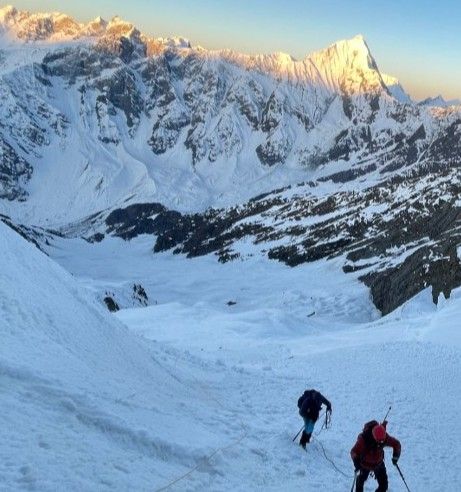
Aerobic conditioning, strength for carrying a loaded daypack, and practice with crampons and an ice axe on steep snow are essential. Glacier travel skills (self-arrest, walking on crampons, rope travel) significantly reduce objective risk during the summit push.
Route stages and logistics
Typical stages: Lukla – Namche – Dingboche – Chhukung – Island Peak base camp – High camp – Summit. Weather windows and acclimatization days are crucial; summit attempts usually start before midnight for firmer snow conditions on the ridge.
3-2-1 Acclimatization Framework
The 3-2-1 Acclimatization Framework is a simple model for high-altitude treks: spend 3 nights at a lower elevation after arrival, then 2 nights at a mid-elevation camp, and 1 night near the high camp or rest day before a summit push. This framework is a guideline, not a guarantee; individual reactions vary and itinerary adjustments may be necessary.
ACCLIMB Checklist (named checklist)
Use this short checklist to prepare before heading into the Everest region:
- A: Altitude plan documented (itinerary showing acclimatization days)
- C: Crampons and ice axe packed and practiced
- C: Clothing layers for 24-hour temperature swings
- L: Lead rope skills or guided fixed-rope plan
- I: Insurance and emergency evacuation arranged
- M: Medical kit including altitude medication (if prescribed) and oxygen options
- B: Backup communications (satellite phone or tracker)
Gear essentials and technical equipment
Essential items include a fitted harness, short and long slings, locking carabiners, a 30m half/single rope if travelling independently, crampons, ice axe, helmet, and a belay device. For non-technical trekkers hiring local guides, confirm which equipment is provided versus personal gear. Use sturdy mountaineering boots compatible with crampons. Synonyms and related terms: Island Peak route guide, summit ridge, fixed ropes, glacial travel, high camp.
Real-world example: a typical 14-day Imja Tse expedition scenario
Example timeline: Day 1 Fly to Lukla; Day 2 Namche Bazaar; Days 3–4 Trek to Dingboche with an acclimatization rest day; Days 5–7 Move to Chhukung and base camp; Day 8 Practice rope/crampon skills at base camp; Day 9 Move to high camp; Day 10 Summit attempt and descend to base camp; Days 11–14 Reserve and travel days. This scenario assumes favorable weather and no medical delays.
Common mistakes and trade-offs
Common mistakes
- Underestimating acclimatization: pushing altitude too quickly increases risk of AMS and delays.
- Poor equipment choices: soft boots incompatible with crampons, or missing a helmet for rock and ice fall.
- Ignoring weather windows: summit pushes in fresh snow or high winds increase objective danger.
Trade-offs
Speed versus safety: short itineraries reduce time and cost but often sacrifice acclimatization. Independent climbs lower guide costs but require technical competence and additional planning for rope teams, rescue, and communication. Hiring experienced local support reduces logistical burden and often increases safety margins.
Practical tips
- Tip 1: Practice crampon and ice-axe techniques on local hills before travel; short technical training pays off at altitude.
- Tip 2: Hydration and caloric intake matter; aim for frequent small meals and 3–4 liters of fluid per day while trekking.
- Tip 3: Carry a lightweight pulse oximeter to monitor trends; use symptoms, not just numbers, to decide on descent.
- Tip 4: Build a flexible itinerary with 1–2 reserve days for weather or acclimatization delays.
Core cluster questions
- What is the standard route for the Imja Tse (Island Peak) ascent?
- How many days does a safe Imja Tse itinerary require?
- What permits and fees are required to climb in the Everest region?
- Which skills are essential for the summit ridge on Island Peak?
- How should acclimatization be planned for moderate Himalayan climbs?
FAQ
How difficult is the Imja Tse climb?
Difficulty is moderate compared with technical Himalayan peaks: expect strenuous trekking, glacier travel, and a final exposed mixed ridge that usually requires crampons, an ice axe, and basic ropework. Previous high-altitude trekking experience helps.
What permits are needed for an Imja Tse climb?
Climbers need a peak permit and conservation area or national park permits as required by local regulations; these are issued by Nepalese authorities and managed through authorized agents or local offices.
What is the best acclimatization plan for an Imja Tse climb?
Use the 3-2-1 Acclimatization Framework as a baseline: staged nights at progressively higher camps, rest days, and at least one acclimatization hike above sleeping elevation before the summit push.
Is technical climbing experience required for Island Peak or Imja Tse climb?
Basic technical skills are required for the summit ridge: crampon use, ice axe self-arrest, and confidence on fixed ropes. Beginners should train with an experienced instructor before attempting the summit.
What should be included in an Imja Tse acclimatization plan?
An effective plan includes staged ascents and returns, scheduled rest days, flexibility for extra acclimatization if symptoms appear, and monitoring for acute mountain sickness with a clear descent protocol.