Family Travel Ideas in France: Routes, Activities, and Practical Tips
-

- February 23rd, 2026
- 1,294 views
Planning a trip for children and adults together often requires ideas that balance activity, rest and logistics. This guide offers family travel ideas in France, covering destinations, sample itineraries, transport options, and practical planning tips for travelers with children of different ages.
- Choose destinations with short transfers and varied activities: culture, nature and outdoor play.
- Mix slow days with active excursions—castles, beaches, and easy hikes suit many families.
- Use regional trains, family-friendly rentals, and local markets for an affordable, flexible trip.
- Check official sources for accessibility and heritage site rules before visiting.
Family travel ideas in France: where to go and why
France has a wide range of family-friendly options from city culture to outdoor recreation. Consider choosing one or two regions per trip to keep travel time short and allow children to settle into a routine. UNESCO World Heritage sites, national parks and coastal areas can add variety while providing reliable infrastructure and services.
Paris and nearby day trips
Paris offers museums with child-focused programming, large parks such as the Jardin du Luxembourg, boat rides on the Seine and easily accessible day trips to places like Versailles. Many museums provide family trails and timed entries; check official museum websites for booking and accessibility information. Planning shorter museum visits and interspersing playground time helps keep younger children engaged.
Loire Valley castles and gentle cycling
The Loire Valley presents a concentration of historic châteaux linked by quiet roads and riverside paths. Several towns offer bicycle rental with child seats or family-friendly cycle routes. Visiting a couple of castles and spending an afternoon on a picnic by the river creates a balanced day for families.
Provence and the south: markets, lavender and small towns
Provence combines outdoor markets, small-scale agriculture and compact towns that are easy to explore on foot. Children often enjoy local food markets and short nature walks. Consider staying in a single village base and taking short drives to attractions to reduce packing and transfers.
The French Alps and outdoor activities
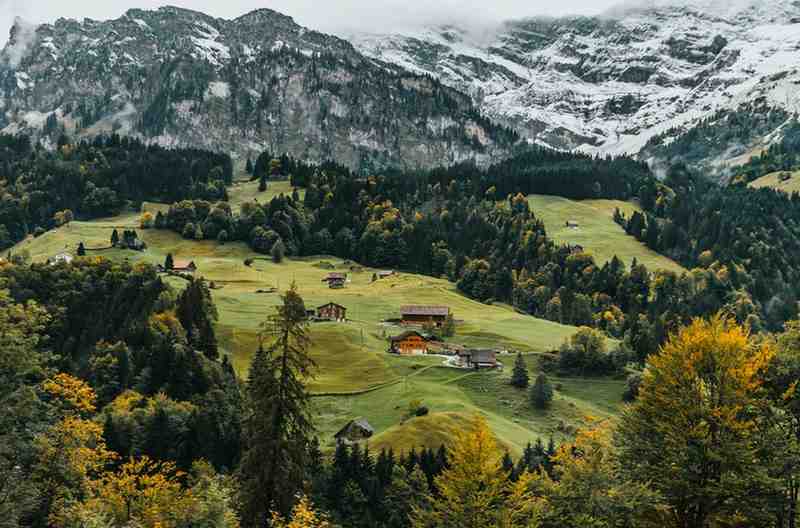
Mountain regions provide alpine lakes, easy chairlift rides, summer toboggan runs and graded hiking suitable for children. Winter options include beginner ski areas with lessons for kids. Resorts often list family services and childcare; consult regional tourism offices for specifics on facilities and safety standards.
Beaches and Atlantic coast destinations
Beaches along the Atlantic and Mediterranean coasts are good for relaxed days with sand play, shallow water and nearby family-focused amenities. Look for lifeguard presence and local guidance on swimming conditions. Coastal towns also tend to have seafood markets and water-based activities for older children.
Planning, transport and accommodation tips
Travel time and transport
Opt for regional travel modes that reduce transfers. High-speed trains connect many major cities, while regional TER trains and ferries serve coastal and rural areas. Renting a car is useful for countryside bases; ensure car seats meet local regulations. For timetables and official rail information, consult national railway sources.
Accommodation for families
Consider family apartments, gîtes or small hotels offering connecting rooms, a kitchenette and laundry facilities. Short-term rentals near supermarkets and parks reduce daily logistics. When booking, confirm sleeping arrangements and any extra fees for children or cots.
Food, meals and daily rhythm
Meals can be adapted by visiting markets, bakeries and small restaurants that welcome children. Pack snacks for travel days and plan for later evening dining by scheduling active afternoon play. Many towns offer crêperies and bistros with simple, familiar options for younger diners.
Budget and timing
Travel outside peak months (July–August) lowers costs and reduces crowds. Early booking for trains and attractions often brings savings. Create a mix of paid attractions and free activities—parks, markets and self-guided walks—to balance expenses.
Safety, accessibility and official guidance
Check travel advisories, local health guidance and accessibility information from official sources before travel. UNESCO lists and national heritage agencies provide rules for site access; national and regional tourism offices publish accessibility details for public transport and major attractions. For official visitor information and planning resources, see the national tourism portal: France's official tourism site (France.fr).
Health and emergency services
Know how to contact local emergency services and locate nearby medical centers. Pharmacies in France typically have clear opening hours and can advise on basic needs; major towns have 24-hour medical facilities. Carry any necessary medications and a simple first-aid kit for day trips.
Accessibility considerations
Many museums, transport hubs and newer attractions provide accessibility information online. Contact venues directly if mobility assistance or strollers are part of the plan. Regional tourism offices can often supply detailed accessibility guides.
Sample short itineraries
Three-day family city break
Day 1: Short walking tour and a major museum visit with interactive or family-focused exhibits. Day 2: Park or garden morning, boat ride midday, local market in the afternoon. Day 3: Day trip to a nearby castle or village with easy transport.
One-week mixed region trip
Days 1–3: Base in a small city with day trips (museums, markets). Days 4–7: Move to countryside or coast—outdoor activities, one relaxed day, and one organized tour or excursion.
Two-week slow travel option
Choose two bases and explore locally to reduce packing and frequent transfers. Include rest days between travel days and reserve one flexible day for weather-dependent plans.
References and sources
Information in this guide aligns with general recommendations from national heritage and tourism organizations and UNESCO listings for heritage sites. Consult official attraction websites and regional tourism offices for the latest opening hours, booking procedures and accessibility details.
Frequently asked questions
What are family travel ideas in France for a week-long trip?
A balanced week could combine a city base for 2–3 days (museum, park, boat trip) with a countryside or coastal base for 3–4 days (castle visit, easy hikes, beach or village exploration). Limit transfers to one or two moves to keep travel time reasonable.
How to travel around France with children?
Use a combination of trains for intercity travel and rental cars for rural areas. Regional trains, car seats, and short ferries are commonly available; check schedules and seat requirements in advance.
Are French attractions suitable for young children?
Many attractions have family trails, interactive exhibits or shorter guided tours. Parks and outdoor sites are generally well-suited to children; verify facilities like restrooms and play areas when planning visits.
What documents are needed when traveling with children?
Certain documents may be required for children, especially when traveling across borders. Carry passports, any necessary visas, and documentation of parental consent if applicable. Check official government travel guidance for current requirements.
How to find family-friendly accommodation and services?
Search for listings that specify family amenities such as cots, extra beds and kitchen access. Regional tourism offices and official travel portals often include family filters and facility details to aid selection.