Fast Teeth Whitening: Safe, Effective Solutions and What to Expect
-

- Published Updated
- 640 views
Fast teeth whitening has become a common goal for people wanting a brighter smile before an event or to reverse years of staining. This guide explains how fast whitening works, compares at-home and professional options, and gives a named checklist for safe, effective results without overstating outcomes.
- Intent detected: Informational
- Fast teeth whitening options range from over-the-counter strips to in-office bleaching.
- Follow a reliable checklist (BRIGHT) and these practical tips to reduce sensitivity and protect enamel.
- Consult a dental professional for persistent staining or sensitivity—refer to the American Dental Association for best practices.
Fast Teeth Whitening: Options and how they work
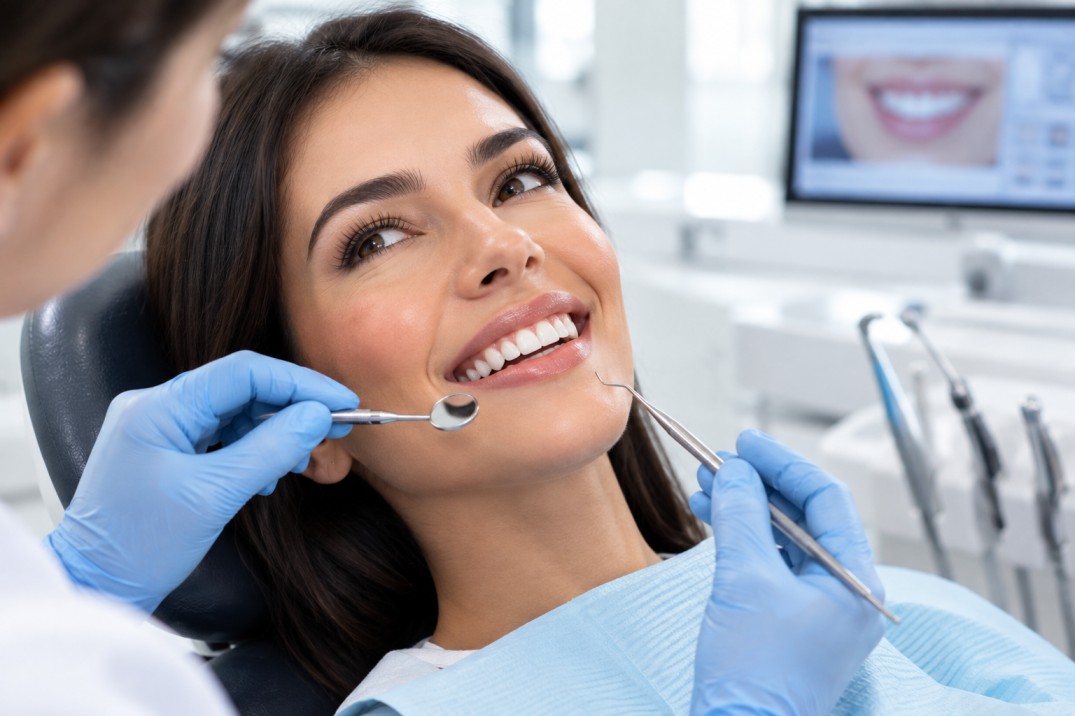
Faster whitening methods typically use higher concentrations of hydrogen peroxide or carbamide peroxide to oxidize stain molecules in enamel and dentin. Professional in-office bleaching can deliver visible results in one session using stronger gels and, sometimes, lights or lasers. Over-the-counter strips, whitening trays, and LED kits provide gradual results over days to weeks. While "fast" is possible, speed, safety, and cost trade off against each other.
Common fast whitening methods
Brief overview of standard options, expected timing, and typical trade-offs:
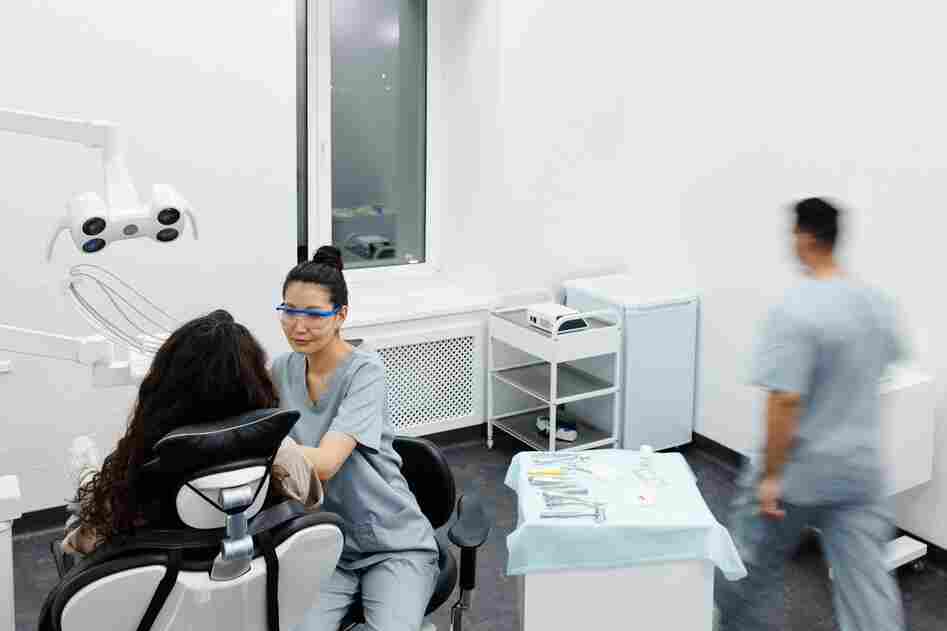
- In-office professional bleaching — Visible changes in one 45–90 minute appointment; higher cost; supervised application reduces risk when contraindications are screened.
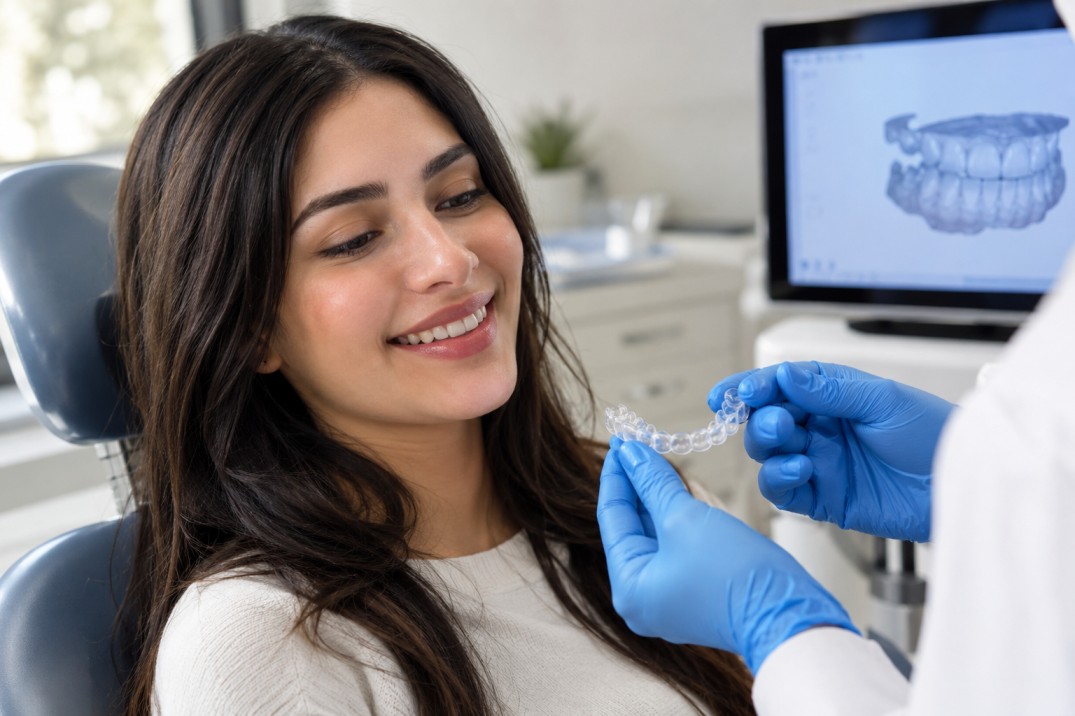
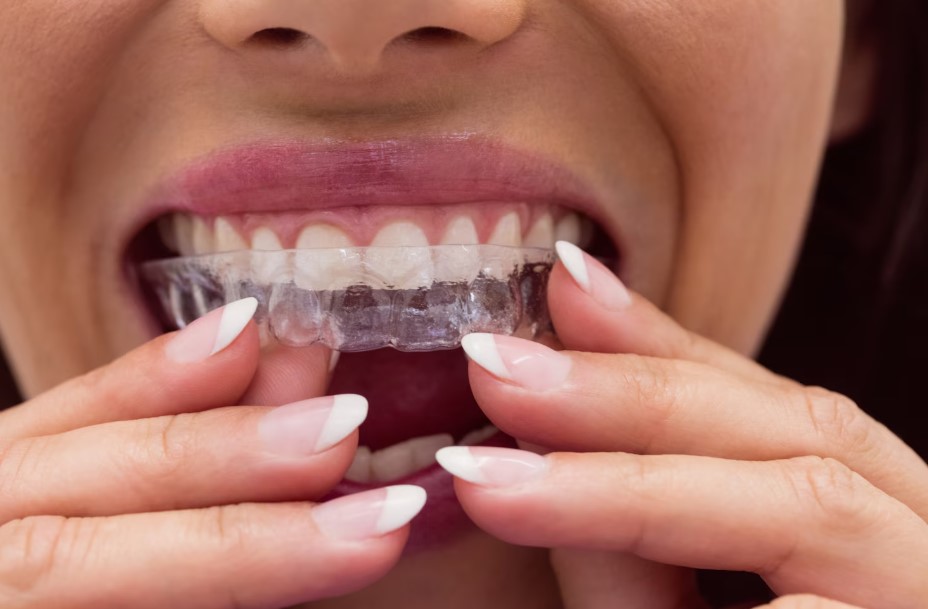
- Take-home dentist kits — Custom trays with prescription gel; moderate speed (several days to a few weeks) with controlled strength.
- Over-the-counter strips and trays — Lower peroxide concentration; slower results (1–4 weeks) but lower cost and accessible.
- Whitening toothpaste and rinses — Abrasives or mild chemical agents; gradual maintenance, not primary rapid whitening.
How to choose: safe at-home teeth whitening vs professional care
Choice depends on stain type (extrinsic from coffee/tobacco vs intrinsic from trauma/medication), sensitivity, budget, and desired speed. Safe at-home teeth whitening can work well for surface stains using lower peroxide concentrations, while professional whitening addresses deeper discoloration more quickly and often more predictably. For medical conditions, active decay, or gum disease, professional assessment is recommended before starting whitening.
BRIGHT Checklist: A named framework for safe, effective whitening
Use the BRIGHT Checklist to prepare and evaluate any whitening plan:
- Baseline check — Confirm no untreated decay, gum disease, or restorations that could be affected.
- Risk assessment — Identify sensitivity history, enamel erosion, pregnancy, or allergies to peroxide.
- Ingredients review — Check active agents (hydrogen peroxide, carbamide peroxide) and concentration.
- Guidance source — Ensure instructions are evidence-based or dentist-prescribed.
- Hold time expectations — Match product/timeframe to realistic results and maintenance plan.
- Technique and follow-up — Proper application, fit (for trays), and post-treatment care to minimize side effects.
Real-world example: A practical scenario
A 35-year-old who drinks coffee daily notices yellowing on front teeth. After a dental exam clears cavities and gum disease, a take-home prescription tray (custom-fitted) with moderate-strength peroxide is used nightly for two weeks. Sensitivity was managed with a desensitizing toothpaste and shorter wear time at first. After two weeks, the shade improved noticeably and was maintained with occasional touch-ups and avoiding staining habits around key events.
Practical tips for faster, safer results
- Start with a dental exam to rule out contraindications—this prevents complications and wasted effort.
- Use lower initial exposure times with peroxide products if sensitivity occurs; increase gradually as tolerated.
- Apply desensitizing strategies (potassium nitrate toothpaste, fluoride treatments) before and after bleaching to reduce discomfort.
- Avoid highly pigmented foods/drinks (coffee, red wine, dark berries) for 48 hours after an intense whitening session to let pores close.
- Follow product instructions precisely—overuse increases sensitivity and enamel risk without proportional benefit.
Trade-offs and common mistakes
Faster whitening often requires higher peroxide concentrations, which increase the likelihood of tooth sensitivity and gum irritation. Common mistakes include:
- Overusing products or applying them for longer than recommended, causing enamel damage or soft-tissue burns.
- Expecting whitening to change the color of crowns, veneers, or fillings—restorations do not bleach and may require replacement to match a new shade.
- Skipping a professional exam—underlying issues such as decay or exposed dentin make bleaching unsuitable or less effective.
When to prefer professional treatment despite higher cost
If the goal is the fastest, most predictable improvement—especially for intrinsic stains or severe discoloration—professional in-office bleaching or dentist-supervised take-home trays is preferred. Professional care also allows safe use of higher-concentration agents and immediate clinical management of sensitivity or irritation. For a reputable source on safety and guidance, consult the American Dental Association's recommendations on tooth whitening (American Dental Association).
Core cluster questions for related content
- How long do teeth whitening results typically last?
- Are at-home whitening kits safe for people with sensitive teeth?
- What causes intrinsic tooth discoloration and how is it treated?
- How should whitening be combined with dental restorations like veneers?
- What are the best practices for preventing restaining after whitening?
Maintenance and realistic expectations
Expect results to vary by stain type and baseline shade. Maintenance includes good oral hygiene, periodic touch-ups with lower-strength products or professional applications, and lifestyle changes to reduce staining. Tooth whitening brightens natural tooth structure but does not change the color of dental restorations.
Cost considerations
Professional in-office whitening typically costs more upfront but may deliver quicker, longer-lasting outcomes. Over-the-counter and store-bought kits cost less but usually require more applications and may deliver subtler improvement. When budgeting, include potential follow-up or restoration adjustments (veneers/fillings) if color mismatch becomes an issue.
Final safety checklist before starting
Run through the BRIGHT Checklist and ensure a dental exam if any of the following apply: active dental pain, recent restorative work on front teeth, pregnancy, significant tooth sensitivity, or gum disease.
FAQ
Is fast teeth whitening safe?
Fast teeth whitening can be safe when performed with appropriate screening, correct product concentrations, and professional oversight if needed. Expect temporary sensitivity or gum irritation in some cases; severe or lasting effects are uncommon when guidelines are followed.
How long does it take to see results from at-home whitening?
Over-the-counter strips and trays often show visible change in 1–4 weeks depending on product strength and frequency of use. Prescription take-home trays can work faster and more predictably than retail products.
Will whitening make existing crowns or veneers match natural teeth?
No. Dental restorations do not respond to bleaching. If whitening is planned, complete it before color-matching restorations, or be prepared to replace restorations to match the new shade.
Can whitening damage enamel or cause lasting sensitivity?
When used as directed, whitening products do not permanently damage enamel. Overuse or misuse can increase the risk of enamel erosion or prolonged sensitivity. Use desensitizing agents and consult a dental professional for persistent issues.
What is the difference between hydrogen peroxide and carbamide peroxide?
Hydrogen peroxide acts faster and is common in in-office systems. Carbamide peroxide breaks down into hydrogen peroxide and urea and is common in at-home kits; it releases active peroxide more slowly and is often associated with fewer immediate side effects at comparable effective levels.