The Role of Packaging in Building a Memorable Fast-Food Brand
-

- September 25th, 2026
- 42 views
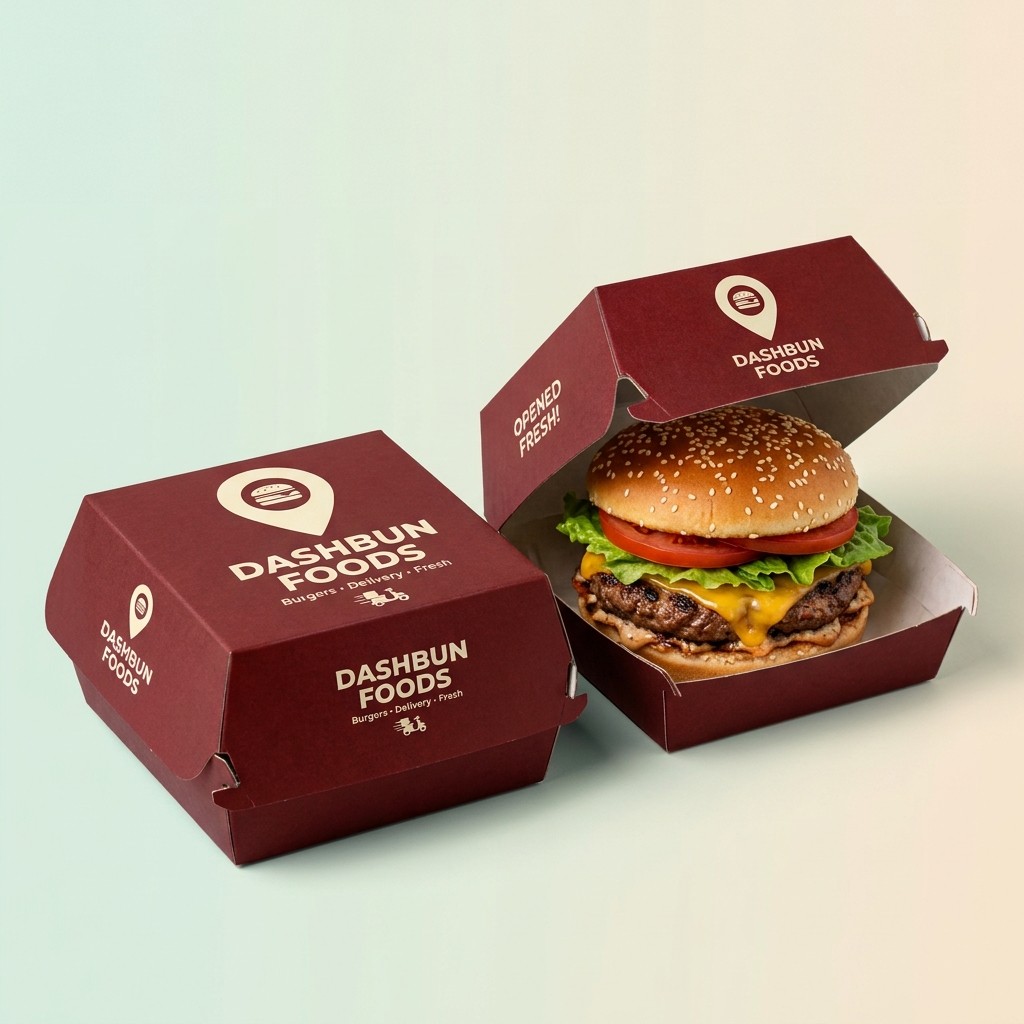
Fast-food businesses often serve customers quickly, but the customer experience does not end when the meal leaves the counter. Packaging becomes part of the journey, especially when food is taken home, delivered, or eaten on the go. A well-planned package can help protect the meal while creating a familiar look.
For example, a kraft burger box can provide a simple way to hold a burger while giving a restaurant space to use consistent design elements. The most useful packaging balances appearance with practical needs. It should protect food, make handling easier, and fit naturally with the restaurant's identity.
Packaging Is Part of the Brand Experience
Customers interact with packaging almost every time they order food to go. They see it when they collect the meal, carry it, open it, and sometimes store leftovers.
Because of this, packaging can become part of how customers remember a restaurant. A consistent design can connect the package with the restaurant's signs, menus, website, and dining space.
This does not mean packaging needs to be complex. A clear and recognizable style can be more useful than a crowded design.
Consistent Colors Build Recognition
Color is one of the easiest visual elements for a restaurant to use consistently. A business might choose two or three main colors and use them across its packaging and other materials.
When customers see the same colors regularly, they may begin to associate them with the restaurant.
Consistency matters more than using bright or unusual colors. The selected colors should match the restaurant's atmosphere and remain easy to recognize.
Packaging Should Protect the Food
Branding should never come before food protection. A package needs to perform its main job first.
Burgers, fries, chicken, sandwiches, and other fast-food items can be affected by heat, moisture, grease, and movement. The packaging should be suitable for the type of food being served.
A strong package can help reduce spills and damage during transport. It can also help keep different food items organized inside a delivery bag.
The Opening Experience Matters
Customers often remember the moment they open a takeout meal. A package that opens easily and keeps the food arranged can make the experience smoother.
Complicated packaging can frustrate customers. Too much tape, difficult folds, or excessive layers may make the meal harder to access.
Restaurants should think about the complete customer journey. The package should be secure during transport but simple to open when the customer is ready to eat.
Good Design Does Not Need to Be Crowded
Fast-food packaging often has limited space for design. Restaurants may want to include a logo, slogan, contact details, social media information, and other graphics.
Adding too much information can make the package difficult to read. A simple logo and a clear color scheme may communicate the brand more effectively.
Whitespace can also help important elements stand out. A clean design can make packaging feel organized without taking attention away from the food.
Packaging Can Support Customer Convenience
Fast food is often eaten outside the restaurant. Customers may eat at home, at work, in a car, at a park, or while traveling.
Packaging should support these situations. It should be easy to carry and stable enough to prevent unnecessary movement.
Features such as secure closures, suitable handles, and separate spaces for different foods can improve convenience. These practical details can become an important part of the customer experience.
Hygiene and Food Safety Matter
A memorable brand needs to be associated with more than attractive design. Customers also expect food to be handled safely.
Packaging should be clean, suitable for the food, and stored properly before use. Staff should also follow appropriate hygiene practices when packing meals.
Restaurants should regularly check their packaging areas. Keeping these spaces organized can help reduce handling problems during busy service periods.
Sustainable Packaging Can Shape Brand Perception
Packaging choices can also reflect how a business approaches waste. Restaurants can look for practical ways to reduce unnecessary materials.
Using appropriately sized packaging can help avoid wasted space and excess material. Recyclable or responsibly sourced materials may also be considered where suitable.
However, sustainability should not reduce food protection. A package needs to perform its main function while considering material use and disposal.
Packaging Should Grow With the Business
A restaurant's packaging needs may change as its menu and customer base grow. New food items may require different shapes or sizes. Delivery services may also create new packaging requirements.
Businesses should review packaging from time to time. They can look at customer feedback, staff experience, storage needs, and delivery performance.
This can help restaurants avoid choosing packaging simply because it looks good. The best solution should work in real service conditions.
Conclusion
Packaging plays a useful role in creating a recognizable fast-food brand. It can connect visual identity with everyday customer experiences while protecting meals and making them easier to carry.
Restaurants should focus on practical design, consistent branding, food safety, convenience, and responsible material choices. When businesses need packaging suited to specific food products and brand requirements, custom packaging manufacturers can help them explore suitable formats and materials. Ultimately, memorable packaging is not just about appearance. It should make the customer's entire takeaway experience simpler and more consistent.