Fat Melting Injections: Non-Surgical Body Sculpting Explained
-
- February 23rd, 2026
- 1,444 views

FREE SEO Topical Map Generator: Find Your Next Content Ideas
Fat melting injections are a category of injectable treatments intended to reduce small pockets of localized fat without surgery. Interest in non-surgical body contouring, including lipolysis injections, has increased as people seek alternatives to liposuction for areas such as the chin, jawline, abdomen, and flanks.
Fat melting injections use chemical agents to break down fat cells (lipolysis). Typical active substances include deoxycholic acid or combinations of enzymes and phospholipids used in mesotherapy. Results vary by product, treatment area, and individual factors. These procedures are regulated differently across countries; consult authoritative guidance and licensed clinicians when considering treatment.
Fat melting injections: overview
Fat melting injections describes several procedures that introduce a solution into subcutaneous fat to cause adipocyte disruption and gradual reduction of fat volume. The goal is localized contouring rather than weight loss. Treatments are used for small, resistant pockets of fat and are often marketed as quick office procedures with minimal downtime.
How these injections work
Mechanism of action
Most injectable fat-reduction approaches rely on chemical lipolysis. An active agent interacts with the fat cell membrane to cause cell rupture and subsequent clearance of cellular debris by the body’s immune system. The visible reduction in contour occurs over weeks to months as the body removes the disrupted fat.
Common active ingredients
Ingredients reported in clinical literature and practice include deoxycholic acid (a bile acid that disrupts fat cell membranes), phosphatidylcholine and phospholipids (used in mesotherapy formulations), and various enzymatic mixtures. Efficacy and safety depend on the specific formulation, dose, injection technique, and treatment area.
Candidate selection and consultation
Who might be considered
Ideal candidates typically have stable body weight, localized small fat pockets, and realistic expectations about outcomes. These treatments are not substitutes for comprehensive weight-loss programs and are not intended for generalized obesity management.
Pre-treatment evaluation
Evaluation by a licensed clinician should include medical history, assessment of the target area, and a discussion of potential benefits, risks, and alternative options. Regulatory agencies and clinical guidelines help define approved uses and contraindications in different jurisdictions.
Procedure, recovery, and expected results
What happens during a session
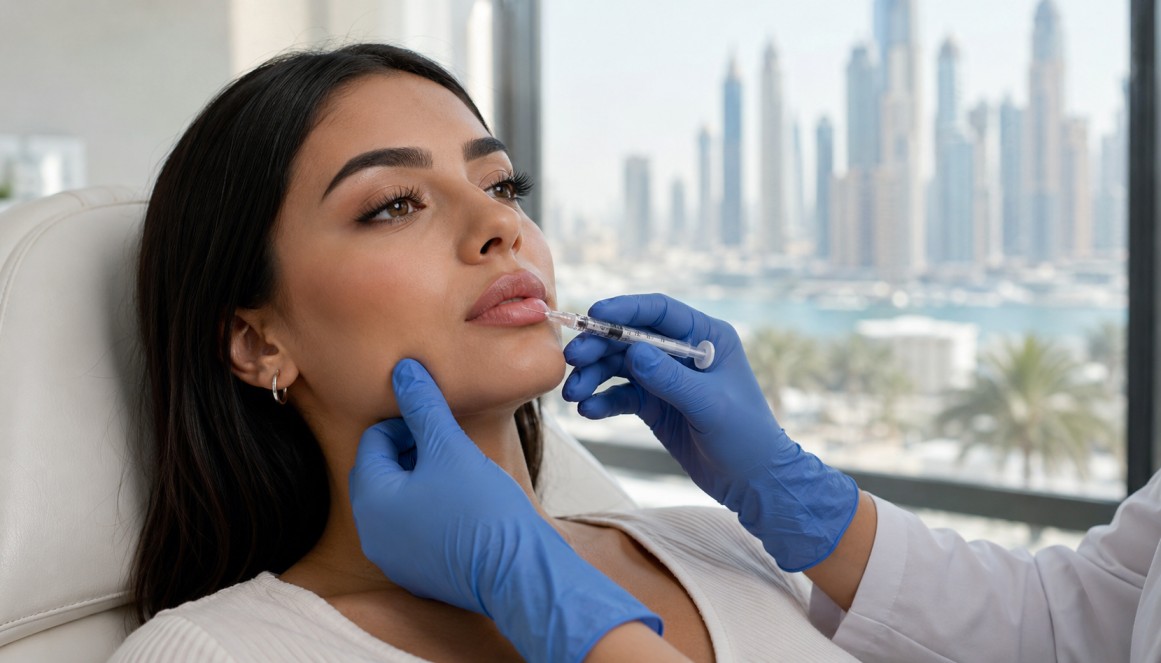
Sessions typically involve marking the treatment area, cleansing, and multiple small injections into the subcutaneous fat. Local anesthesia may be offered. Session length varies by area and number of injections.
Recovery and timeline
Common short-term effects include swelling, bruising, redness, and tenderness at injection sites. Results often develop gradually over several weeks as the body clears disrupted fat cells; multiple sessions spaced weeks apart may be recommended in some protocols.
Safety, risks, and regulation
Potential adverse effects
Reported adverse effects range from mild localized reactions to more serious complications such as prolonged numbness, infection, uneven contour, or nerve injury in rare cases. The incidence and severity depend on product, technique, and practitioner experience.
Regulatory status and evidence
Regulatory approval varies by country and by specific product or indication. Some formulations have been evaluated in randomized clinical trials and received regulatory approval for limited uses, while others are used off-label or in private clinics without broad approval. Regulatory agencies such as the U.S. Food and Drug Administration (FDA), national health services, or medicine regulators may publish guidance and safety information.
For general information on cosmetic procedure safety and regulation, consult official health guidance such as the NHS guidance on cosmetic procedures: NHS guidance on cosmetic procedures.
Cost, availability, and alternatives
Cost and access
Costs vary widely by region, clinic, number of sessions, and product used. Insurance typically does not cover cosmetic fat-reduction injections unless performed for a recognized medical indication.
Non-surgical and surgical alternatives
Alternatives include non-invasive energy-based body-contouring technologies (cryolipolysis, radiofrequency, ultrasound), mesotherapy-type injections with different formulations, and surgical options such as liposuction. Each approach has different evidence, recovery profiles, and suitability depending on the patient and treatment goals.
Research and clinical evidence
Peer-reviewed clinical studies have evaluated certain injectable agents for specific areas (for example, submental fat). Published results cover efficacy measures, adverse events, and patient satisfaction. Searching databases such as PubMed or reviewing regulator summaries can help locate clinical trial data.
Choosing a provider
Select a licensed, experienced clinician trained in the specific injectable technique and familiar with local regulatory requirements. Proper training, sterile technique, and clear communication about expected outcomes contribute to safer care.
Frequently asked questions
What are Fat melting injections and how do they work?
Fat melting injections introduce a chemical agent into subcutaneous fat to disrupt adipocyte membranes, prompting the body to clear the debris and reduce localized fat volume over time. The exact mechanism depends on the active ingredient used.
How long do results last?
Results can be long-lasting if weight remains stable, because destroyed fat cells are not expected to regenerate. However, remaining fat cells can enlarge with significant weight gain, so maintenance of body weight affects durability.
Are fat melting injections safe?
Safety depends on product, technique, and patient selection. Common short-term effects include swelling and bruising; more serious complications are uncommon but possible. Reviewing clinical evidence and regulatory information helps assess safety profiles for specific treatments.
How many sessions are typically needed?
The number of sessions varies by product, treatment area, and individual response. Some protocols require a single session, others multiple sessions spaced several weeks apart. Treatment plans should be individualized by a qualified clinician.