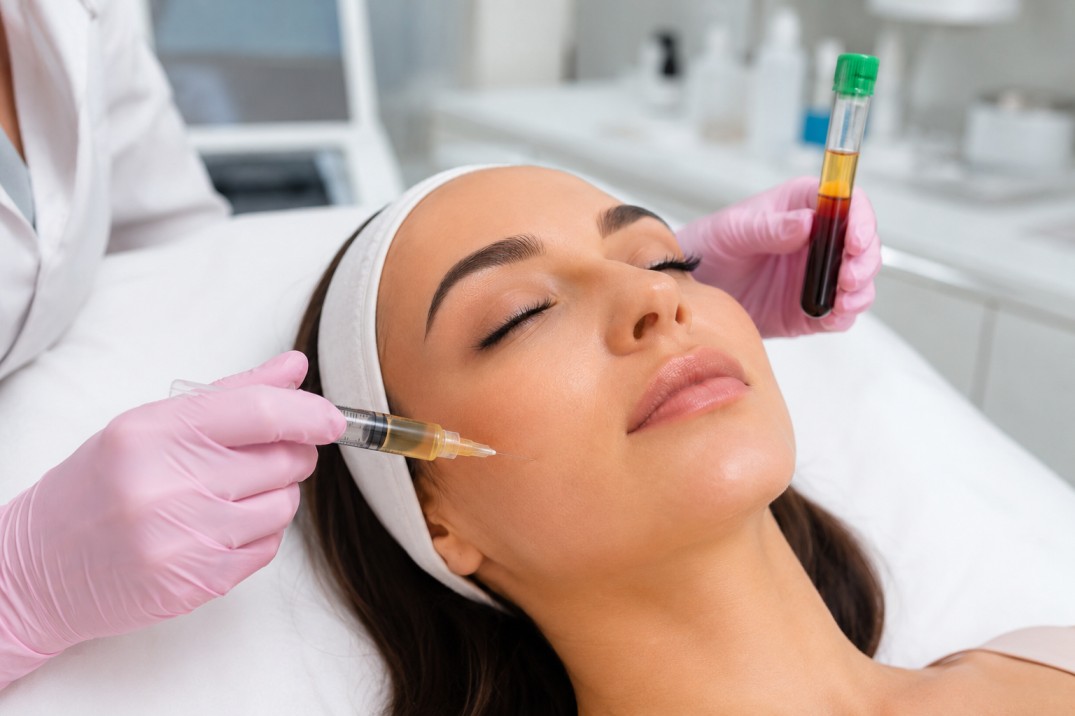
Fat-Melting Injections: Effects on Skin Health, Texture, and Contour
-
- February 23rd, 2026
- 1,160 views

Get a free topical map and start building content authority today.
Fat melting injections are increasingly discussed as a non-surgical option for reducing small pockets of subcutaneous fat. This overview explains how fat melting injections work, what immediate and longer-term effects they can have on the skin, and the main factors that influence outcomes.
Fat melting injections act by damaging adipocytes or encouraging local lipolysis; common short-term skin effects include swelling, bruising, redness and tenderness. Longer-term outcomes depend on skin elasticity, degree of fat reduction, and healing responses such as fibrosis or collagen remodeling. Risks include contour irregularities, persistent nodules, pigmentation changes, and, rarely, infection or tissue necrosis. Regulatory bodies and professional societies advise careful patient selection and technique.
How fat melting injections work and their effects on skin
Fat melting injections typically use agents that disrupt adipocyte membranes or stimulate local fat breakdown, which can trigger inflammation, phagocytosis of cellular debris, and gradual reduction in adipose volume. The process of removing or shrinking subcutaneous fat can alter the mechanical support for overlying skin, affecting texture, firmness and contour.
Immediate and early skin responses
Inflammation and edema
An expected early response is an inflammatory reaction at the injection site. Inflammation can cause swelling (edema), redness, warmth and temporary tenderness. These signs are part of the body’s natural response to cell injury and usually subside over days to weeks.
Bruising and petechiae
Needle trauma and local vascular injury can produce bruises or small petechial spots. The severity of bruising depends on injection technique, the vascularity of the treated area, and individual bleeding tendency.
Pain, numbness, and sensory changes
Transient pain, tingling or numbness may occur due to local nerve irritation. These sensations commonly resolve but, in rare cases, sensory changes can be prolonged.
Medium- and long-term skin outcomes
Skin laxity and contour changes
When local fat is reduced, overlying skin must retract to maintain a smooth contour. Skin with good elastic fibers (collagen and elastin) is more likely to retract, while skin with reduced elasticity due to age, sun damage or major weight loss may become looser. This can lead to visible skin laxity or wrinkling after fat reduction.
Fibrosis, nodules and induration
The healing process can produce fibrotic tissue or nodules as macrophages clear debris and fibroblasts lay down collagen. Some patients experience palpable lumps or firm areas that persist for weeks or months. In many cases these soften over time, but some fibrotic changes can be longer lasting.
Contour irregularities and asymmetry
Uneven fat removal or localized fibrosis may cause contour irregularities, dimpling or asymmetry. Injection technique, the number of treatment sessions, and individual tissue response affect the likelihood of these outcomes.
Pigmentation and scarring
Post-inflammatory hyperpigmentation can follow injection-related inflammation, particularly in people with darker skin tones. Although scarring is uncommon with superficial injections, deeper tissue injury increases the risk of visible scars.
Factors that influence skin outcomes
Patient factors
Age, baseline skin elasticity, smoking status, sun damage, body composition and medical history all influence results. Younger skin with good elasticity and minimal excess skin is more likely to adapt after fat reduction.
Procedural factors
Injection depth, volume, concentration of active agent, and the skill of the practitioner are major determinants of both efficacy and complication rates. Repeated or aggressive treatment increases the risk of fibrosis and contour problems.
Anatomical considerations
Certain areas (for example beneath the chin versus the abdomen) respond differently because of variations in fat thickness, skin quality and lymphatic drainage. Small, well-defined pockets are usually better suited to local injections than large, diffuse deposits.
Safety signals and regulatory guidance
Regulatory agencies and professional organizations publish guidance on injectable devices and treatments. The U.S. Food and Drug Administration and other regulators monitor reports of adverse events related to injectable fat-reduction products. For general consumer information about approved products and safety communications, refer to official regulatory pages such as this FDA guidance on injectable products for cosmetic use: FDA guidance. Professional societies such as national dermatology and plastic surgery organizations also provide clinical statements and training recommendations.
Managing and minimizing skin complications
Assessment and realistic expectations
Careful clinical assessment of skin elasticity, volume of fat and overall health helps predict likely outcomes. Realistic expectations about possible skin laxity and the potential need for alternative treatments (such as energy-based skin tightening or surgical excision) support better decision-making.
Technique and follow-up
Appropriate injection technique, conservative dosing, and staged treatments can reduce risks. Monitoring for early signs of infection, excessive inflammation or abnormal healing allows timely management of complications.
Evidence and research considerations
Clinical studies and case series describe a range of outcomes and complication rates for various fat-reduction injections and active agents. Peer-reviewed literature, clinical trial data and systematic reviews provide the most reliable evidence about efficacy and safety. Academic and regulatory sources are best consulted when interpreting these data.
Conclusion
Fat melting injections can reduce small areas of subcutaneous fat but also produce a spectrum of skin effects, from temporary swelling and bruising to longer-term changes in texture, contour, pigmentation and elasticity. Outcomes depend on patient characteristics, the treated area, and practitioner technique. Regulatory agencies and professional societies emphasize careful patient selection, informed consent and trained administration to minimize risks.
Frequently asked questions (FAQ)
Do fat melting injections cause skin laxity?
Reducing local fat can uncover pre-existing loss of skin elasticity and may lead to visible skin laxity in areas where the skin cannot sufficiently retract. The likelihood depends on age, baseline skin quality and the amount of fat removed.
How long do injection-related skin bruises and swelling last?
Bruising and swelling from injections commonly resolve within a few days to a few weeks, although the timeline varies by individual and treatment extent. Persistent swelling beyond several weeks warrants clinical evaluation.
Can fat melting injections lead to permanent scarring or pigmentation changes?
Permanent scarring is uncommon but can occur with deeper tissue injury. Post-inflammatory hyperpigmentation may persist for months, especially in darker skin types. Proper technique and post-procedure care reduce these risks.
Are nodules common after fat melting injections and do they resolve?
Nodules and firmness from fibrosis or inflammatory reactions are reported. Many of these soften and reduce over time, but some may persist and require further assessment or treatment by a qualified clinician.
What regulatory or professional sources provide guidance on safety?
Regulatory agencies such as the U.S. Food and Drug Administration and professional organizations in dermatology and plastic surgery issue guidance, safety communications and training recommendations related to injectable cosmetic procedures.
How can patients find reliable information about fat melting injections?
Reliable information is available from peer-reviewed journals, clinical guidelines, and official regulator or professional society publications. Media reports and promotional materials may not present balanced risk information.
Are fat melting injections suitable for large areas of fat?
These injections are typically intended for small, localized fat deposits rather than large-volume reduction. Treatment planning should consider alternative approaches for extensive fat removal or significant skin excess.