PRP Injections and Exosomes Hair Therapy: Practical Guide to Results, Risks, and Protocols
-

- April 26th, 2026
- 246 views

Get a free topical map and start building content authority today.
Introduction
PRP injections for hair loss are a minimally invasive treatment used to stimulate hair regrowth by concentrating a patient’s platelets and injecting them into the scalp. When combined with exosomes hair therapy—cell-free vesicles that carry growth signals—the approach aims to enhance follicle recovery for conditions like androgenetic alopecia and diffuse thinning.
- PRP delivers platelet-derived growth factors locally; exosomes deliver signaling molecules and may amplify responses.
- Evidence shows modest to moderate benefit; protocols and product quality vary widely.
- Use the SCALP framework checklist to choose candidates, manage expectations, and track outcomes.
Detected intent: Informational
PRP injections for hair loss: How they work and who may benefit
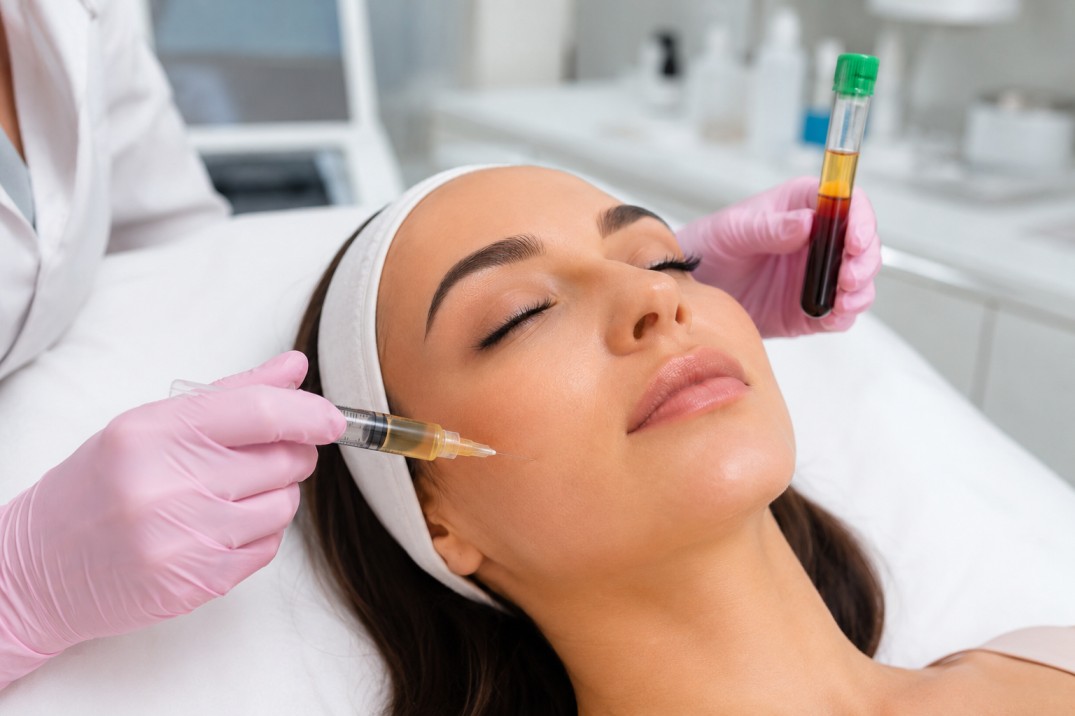
Platelet-rich plasma (PRP) is produced by centrifuging blood to concentrate platelets and growth factors. Injected into the scalp, platelets release cytokines and growth factors that can reduce inflammation, promote angiogenesis, and support dormant follicles. Exosomes are nano-scale extracellular vesicles derived from donor cells; they carry proteins, RNAs, and signaling molecules that can modulate cell behavior without introducing live cells.
Typical candidates
- Early-to-moderate androgenetic alopecia (male or female pattern hair loss)
- People with diffuse thinning and intact follicle structure
- Patients seeking non-surgical or adjunctive treatments
How PRP and exosomes work together
Combining PRP with exosomes aims to pair a patient’s autologous growth factor reservoir (PRP) with exogenous signaling vesicles to improve follicular microenvironment. This hybrid approach is intended to:
- Increase growth-factor concentration locally
- Modulate inflammatory signaling
- Support hair-cycle transition from telogen to anagen
Evidence and standards
Clinical studies report variable outcomes. Professional guidance from dermatology societies emphasizes patient selection and transparent consent. For baseline safety and best-practice information, consult relevant guidance from recognized bodies such as the American Academy of Dermatology (AAD): https://www.aad.org/public/diseases/hair-loss.
SCALP framework checklist (practical protocol)
Use the SCALP framework checklist to standardize evaluation and treatment planning.
- Screening: medical history, medications (e.g., anticoagulants), and realistic expectations.
- Consent and counseling: explain off-label elements, potential side effects, and expected timeline.
- Assessment: digital photos, hair counts, scalp biopsy if atypical presentation.
- Lab protocol: blood draw and PRP preparation method (single vs double spin), exosome product source and storage checks.
- Protocol delivery: injection mapping, depth, volume, anesthetic plan, and follow-up schedule.
Example scenario
A 42-year-old person with early pattern thinning (Norwood 3/hintelmann II) undergoes baseline photos and trichoscopy. After screening for bleeding risk and discussing alternatives, the clinician performs a double-spin PRP preparation and administers 4 mL PRP across thinning zones, followed by 2 mL of a commercial exosome preparation. Follow-up at 3 and 6 months documents increased hair thickness and improved patient satisfaction; maintenance sessions scheduled at 6–12 month intervals.
Practical tips for safer, more effective treatments
- Standardize the PRP protocol—document centrifuge speed, time, and final platelet concentration.
- Verify exosome product chain of custody, storage temperature, and certificate of analysis when available.
- Combine objective measures (hair counts, phototrichograms) with patient-reported outcomes to track progress.
- Schedule a series of 3 sessions spaced 4–6 weeks apart, then reassess at 3–6 months before maintenance.
Trade-offs and common mistakes
Trade-offs
PRP is autologous and low-risk but variable in potency; exosomes offer consistent signaling cargo but are non-autologous and raise regulatory and sourcing questions. Combining both increases complexity, cost, and the difficulty of isolating which component produced benefit.
Common mistakes
- Failing to document PRP concentration and preparation method—this reduces reproducibility and learning.
- Overpromising timelines or outcomes; hair growth is slow and responses are incremental.
- Using poorly characterized exosome products without clear quality documentation.
Core cluster questions
- How long until results appear after PRP and exosome scalp injections?
- What are the risks and side effects of combined PRP and exosome therapy?
- How do PRP preparation methods affect outcomes?
- Which patients are likely to respond to non-surgical hair therapies?
- How should progress be measured after hair-restoration injections?
Cost, follow-up, and regulatory notes
Costs vary widely by region and product. Regulatory frameworks for biologic products and exosome-based therapies differ between jurisdictions—confirm local regulations and ensure informed consent covers off-label use and product sourcing. Routine follow-up should include photo documentation and a plan for additional or alternative therapies if progress is insufficient.
FAQ
How effective are PRP injections for hair loss compared to other treatments?
PRP offers a modest-to-moderate increase in hair density for many patients when combined with standard care (topical minoxidil or oral treatments). It is generally less invasive than surgery and may be complementary to medical therapies, but responses vary and high-quality comparative trials are limited.
Are exosomes hair therapy benefits proven?
Emerging studies suggest exosomes can enhance cellular signaling that supports follicle health, but evidence is still developing. Careful product selection, transparent sourcing, and realistic expectations are important because long-term randomized data are limited.
What is the typical PRP and exosomes hair treatment protocol?
Protocols often start with 3 monthly sessions, followed by maintenance every 6–12 months. Precise volumes and intervals depend on PRP concentration, exosome dosing, and clinical response. Document the PRP preparation and exosome product used for each session.
Will insurance cover PRP injections for hair loss?
Most insurers classify PRP and exosome therapies for cosmetic hair loss as elective and do not cover them. Verify coverage details with the insurer and provide clear billing codes and consent forms for patients.
Can PRP injections for hair loss be combined with hair transplant surgery?
Yes—PRP is commonly used as an adjunct to hair transplant surgeries to potentially improve graft survival and healing. Discuss timing and dosing with the surgical team to integrate into the operative plan.