Flexible Container Hire Solutions for Storage, Logistics, and On‑site Workspaces
-

- February 23rd, 2026
- 1,491 views
Introduction
Container hire is a versatile option for businesses that need temporary or long-term storage, transport-ready units, or adaptable on-site workspaces. Renting or leasing shipping and storage containers can help manage seasonal stock, support construction and renovation projects, create pop-up retail or office space, and simplify logistics without committing to a capital purchase.
- Container hire offers flexible storage, modular offices, and secure transport solutions.
- Common options include standard ISO shipping containers, refrigerated units, and modified containers for offices or workshops.
- Key considerations: sizing, delivery, site access, permits, security, and compliance with standards.
- Refer to industry standards and local regulations (for example, ISO standards and national transport rules) when planning use.
Container hire: Advantages and common applications
Hiring containers provides several practical advantages: predictable short-term cost, scalable capacity, and reduced maintenance responsibilities compared with ownership. Common applications include on-site storage for construction materials, temporary warehousing for seasonal inventory, climate-controlled units for temperature-sensitive goods, modular onsite offices for projects, and secure storage for equipment or records.
Types of containers and adaptations
Standard and high-cube containers
Standard 20ft and 40ft ISO shipping containers are the most common. High-cube versions add extra interior height for bulkier items. ISO (International Organization for Standardization) specifications help ensure containers are transport-compatible worldwide.
Specialised units: refrigerated, open-top, and flat-rack
Refrigerated (reefer) containers support temperature-sensitive goods. Open-top and flat-rack containers are suitable for oversized cargo. Each type has different handling requirements and may affect delivery options and site access.
Modified containers: offices, workshops, and storage with services
Containers can be adapted with insulation, windows, doors, electrical wiring, HVAC, shelving, and security features. Modified units are used for site offices, temporary retail spaces, workshops, and mobile laboratories. Modifications should comply with local building codes and safety regulations.
Logistics, delivery, and site preparation
Transport and placement logistics influence the feasibility of container hire. Assess site access for trucks and cranes, ground stability, and permitted delivery hours. Large units require a suitable level base and secure positioning. Coordination with local transport authorities and adherence to vehicle weight limits may be necessary.
Permits, regulations, and standards
Use of containers on private or public land can trigger planning or permitting requirements. Consult local planning authorities and building control for guidance on temporary structures and conversions. For safety and handling, refer to workplace safety regulators such as OSHA in the United States or equivalent national agencies, and to international standards such as ISO for container dimensions and construction. For authoritative standards information, see the International Organization for Standardization: https://www.iso.org.
Security, insurance, and maintenance
Security measures often include lockboxes, CCTV, motion sensors, and perimeter fencing. Insurance coverage should be reviewed to confirm protection of goods in transit, on-site storage, and modified units. Regular maintenance checks can help detect floor or roof damage, door seal deterioration, and corrosion that could compromise stored goods.
Costs, contracts, and choosing a provider
Pricing models include short-term hire, long-term lease, and rent-to-buy agreements. Costs reflect container type, size, modifications, delivery, collection, and optional services such as site installation. When comparing providers, evaluate condition reports, delivery logistics, service windows, maintenance responsibilities, and contract terms. Consider providers that can document compliance with relevant safety and transport regulations.
Benefits and limitations
Benefits: rapid deployment, flexibility, reduced upfront investment, mobility, and robust security. Limitations: potential need for planning permission for long-term or modified installations, transport and placement logistics, and limitations on interior modifications if using rented units. Environmental considerations, such as insulation for temperature control and proper disposal of any hazardous materials stored, should also influence decisions.
Practical steps to plan a hire
Assess needs and site conditions
Identify required capacity, climate control needs, and whether units will be stationary or moved frequently. Measure site access for delivery vehicles and prepare a load-bearing surface if necessary.
Request detailed quotes and terms
Obtain itemised quotes including delivery, collection, insurance requirements, and any penalties for damage or late return. Ask for condition reports and documented safety compliance.
Plan for installation and security
Arrange for secure placement, locking systems, and any required power or utility connections. Inform local authorities if placement affects public access or requires permits.
Conclusion
Container hire is a practical, scalable solution for storage, transport, and temporary workspace needs across industries such as construction, retail, events, and logistics. Careful planning around container type, site logistics, compliance with standards and local regulations, and clear contract terms helps maximise value while managing risks.
What is container hire and when should businesses consider it?
Container hire is the rental or lease of storage and transport-ready units for short or long-term use. Businesses should consider it when flexibility, rapid deployment, or reduced capital expenditure is a priority—for example, during construction projects, seasonal inventory peaks, events, or when a temporary workspace is required.
How are hired containers delivered and secured on site?
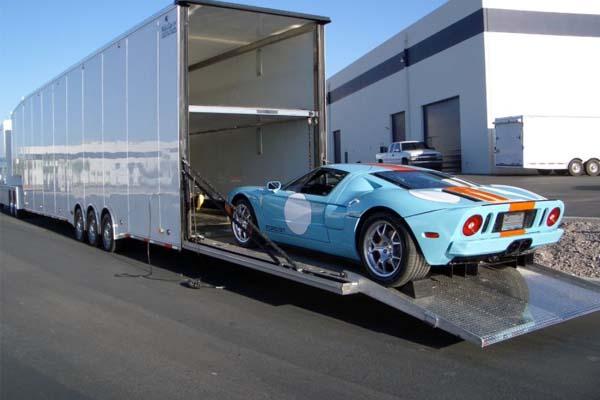
Delivery typically uses flatbed or tilt-bed trucks, and placement may involve forklifts or mobile cranes depending on unit size. Secure positioning on a level base, the use of lockboxes and perimeter controls, and adherence to site-specific safety rules are common practices.
Do rented containers comply with international standards?
Many shipping containers conform to ISO dimensions and construction standards that facilitate safe transport. For modified units used as offices or workshops, compliance with local building codes and workplace safety regulations should be confirmed with the supplier and local authorities.
What permits or approvals might be required for container hire?
Permits depend on location and intended use. Temporary on-site storage may be allowed in many jurisdictions without planning permission for limited durations, while long-term placement or permanent modifications often require planning approval or building permits. Consult local planning authorities for definitive guidance.