Microneedling with PRP in Riyadh: A Practical Guide to Better Skin Results
-
- Published Updated
- 597 views
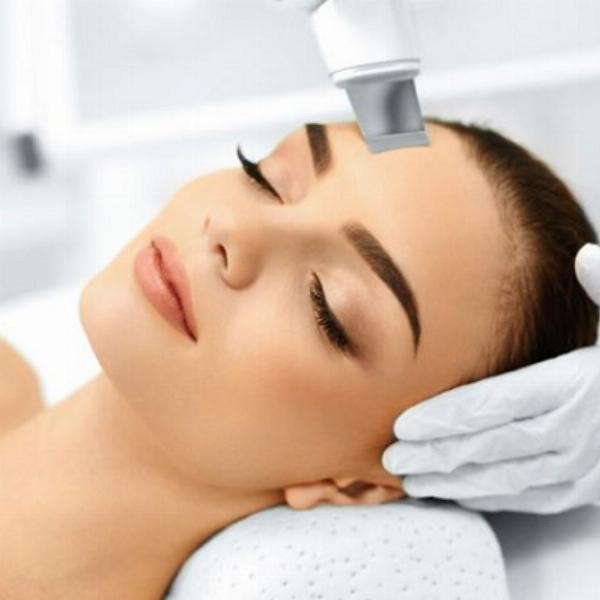
Microneedling with PRP Riyadh is a combined cosmetic procedure that uses micro-injuries and platelet-rich plasma (PRP) to stimulate collagen and improve texture, scars, and tone. This guide explains how the treatment works, what to expect at a Riyadh clinic, and practical steps to plan and recover with predictable results.
- Microneedling creates controlled micro-injuries; PRP uses a patient’s platelets to boost healing.
- Expect 3–5 sessions spaced 4–6 weeks apart for most cosmetic goals.
- Use the PRP-CARE Checklist to choose a clinic, prepare, and manage aftercare.
microneedling with PRP Riyadh: What it is and who benefits
Microneedling, also called collagen induction therapy, uses tiny needles (dermapen or dermaroller devices) to create microchannels in skin. Platelet-rich plasma (PRP) is a concentrated sample of the patient’s own platelets derived from a small blood draw and applied to the skin to support repair. Combined, microneedling and PRP can help with acne scars, fine lines, poor texture, and uneven tone. Dermatologists and licensed aesthetic physicians commonly recommend the combo for patients seeking non-surgical rejuvenation.
How microneedling with PRP works
The procedure has three practical steps: blood draw and PRP preparation, microneedling across target areas, then application of PRP into the microchannels. Microneedling triggers a wound-healing cascade (inflammation, proliferation, remodeling) that invites collagen and elastin remodeling. PRP supplies growth factors that may accelerate tissue repair and reduce inflammation. Clinical protocols vary by device, needle depth, and PRP concentration; certified practitioners calibrate settings for skin type and the Fitzpatrick scale.
PRP-CARE Checklist: a named framework for choosing and preparing for treatment
- Provider verification: Confirm board-certified dermatologist or licensed aesthetic physician and clinic accreditation.
- Risks & results review: Ask for before/after photos and realistic expectations.
- Preparation: Stop blood-thinners and certain supplements if advised; plan downtime.
- Clinic hygiene & protocol: Verify sterile centrifuge, single-use needles, and glove use.
- Aftercare plan: Get written wound-care and sunscreen guidance.
- Review follow-ups: Schedule 1-week and 4-week checks; agree on number of sessions.
- Evaluate results: Document progress with photos and outcome metrics.
Step-by-step: Before, During, and After treatment
Before the appointment
Book a consultation to review medical history (keloid tendency, active acne, blood disorders). Disclose medications, recent isotretinoin use, or autoimmune conditions. Avoid aspirin, NSAIDs, and high-dose vitamin E 7–10 days before if approved by the clinician. Expect topical numbing for 30–60 minutes before the procedure.
During the procedure
Typical session: 45–90 minutes. Blood is drawn and spun in a centrifuge to produce PRP while the skin is numbed. Microneedling device passes over the skin in overlapping passes; immediate application of PRP follows. Most patients feel pressure and mild stinging; severe pain is uncommon with proper numbing.
Aftercare and downtime
Expect redness and pinpoint bleeding for 24–72 hours. Use gentle cleanser, avoid active acids or retinoids for 5–7 days, and apply mineral sunscreen. Avoid heavy exercise, saunas, and swimming pools for 48–72 hours. If signs of infection or prolonged swelling occur, contact the clinic immediately. For general safety information on microneedling, review guidance from the American Academy of Dermatology: American Academy of Dermatology.
Real-world example: a Riyadh patient scenario
Scenario: A 35-year-old resident of Riyadh with mild-to-moderate acne scarring and sun-damaged tone completes three sessions of microneedling with PRP spaced five weeks apart. After the third session, the patient reports smoother texture and reduced scar depth; clinical photos show improved skin uniformity. No infection or keloid formation occurred; mild transient redness resolved within 48 hours each time. This illustrates a typical, conservative outcome rather than guaranteed results.
PRP microneedling benefits Riyadh: realistic results and timeline
Improvement is usually gradual: collagen remodeling continues for 3–6 months after treatment. Most clinics recommend 3 sessions for cosmetic improvement and maintenance sessions every 6–12 months. Benefits can include improved texture, reduced fine lines, and more even tone; outcomes depend on age, baseline collagen, skin type, and adherence to aftercare.
Common mistakes and trade-offs
Choosing the cheapest provider, skipping consultation, or asking for overly aggressive depths can increase risk. Trade-offs include:
- Fewer sessions vs. slower but safer progress: aggressive single-session approaches may give faster visible change but higher downtime and risk.
- In-office PRP vs. topical serums: PRP adds biological growth factors but requires blood draw and sterile handling.
- Device type vs. clinician skill: a high-end device does not replace practitioner experience.
Common mistakes: not verifying sterile technique, resuming retinoids too early, or expecting immediate dramatic change. Avoid clinics that use non-medical staff to perform PRP procedures without medical supervision.
Practical tips for patients in Riyadh
- Verify clinician credentials and ask to see recent before/after photos for similar skin tones.
- Schedule sessions in cooler months or when sunlight exposure can be limited; strict sunscreen use is essential after treatment.
- Follow the PRP-CARE Checklist and get written aftercare instructions from the clinic.
- Bring a list of current medications and supplements to the consultation to avoid interactions that increase bleeding risk.
platelet-rich plasma facial Riyadh: costs and what affects price
Prices vary by clinic, provider expertise, and the devices used. Costs are influenced by centrifuge quality, single-use cartridges, clinic accreditation, and follow-up care. A transparent clinic will itemize blood processing, device fees, and consultation charges.
Core cluster questions
- How many microneedling with PRP sessions are typically needed for acne scars?
- What are the side effects and safety protocols for PRP microneedling?
- How does skin type affect microneedling results and settings?
- What should a PRP-CARE consultation checklist include?
- How long is downtime after a PRP microneedling session?
FAQ
Is microneedling with PRP Riyadh safe?
When performed by a licensed clinician using sterile technique and correct settings, microneedling with PRP has a favorable safety profile. Risks include temporary redness, swelling, bruising, infection, or pigment changes. Discuss individual risk factors at consultation.
How soon will results appear after PRP microneedling?
Initial skin smoothing may be visible within 2–4 weeks, but collagen remodeling continues for 3–6 months. Clinically meaningful improvement often requires multiple sessions.
Does the procedure hurt?
Topical anesthetic reduces pain; sensations range from pressure to mild stinging. Proper numbing and practitioner technique minimize discomfort.
Can all skin types benefit from PRP microneedling?
Most skin types can benefit, but settings must be adjusted for darker Fitzpatrick types to reduce the risk of post-inflammatory hyperpigmentation. A qualified provider will tailor the approach.
How much does microneedling with PRP Riyadh typically cost?
Costs vary widely. Expect to compare clinics by experience, equipment, and included follow-up. A thorough consultation will clarify the number of sessions and total expected cost.
Related terms and entities: PRP, platelet-rich plasma, collagen induction therapy, dermapen, dermaroller, Fitzpatrick scale, topical numbing, American Academy of Dermatology, clinic accreditation, centrifuge.