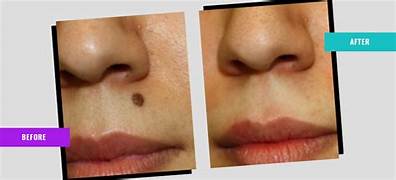
Lip Neutralisation for Dark Lips: How to Understand Undertones Before Choosing Pigments
-

- Published Updated
- 71 views

Lip neutralisation is one of those areas of permanent makeup where colour theory matters as much as technique. When working with darker or unevenly pigmented lips, choosing a pigment simply by looking at how dark the lips appear can lead to an unexpected result.
Before selecting any colour, a PMU artist needs to understand what is already present in the lips. This starts with identifying the undertone.
Why Undertones Matter in Lip Neutralisation
Dark lips do not all have the same colour. Some may have a cool, bluish or purplish appearance, while others can show brown, grey or muted tones. There may also be different levels of pigmentation across the upper and lower lips.
This is why lip neutralisation is not about covering the existing colour with a lighter pigment. The aim is to visually balance unwanted tones so that the lips can move towards a more even and suitable colour.
The undertone gives you an important starting point.
A lip that looks brown on the surface may have a warmer underlying tone, while a lip that appears grey or purple may need a different approach. Looking carefully at the natural lip colour helps a PMU artist understand which tones need to be balanced before choosing a pigment.
How to Identify the Undertone
When assessing a client, look at the lips in natural or neutral lighting. Avoid making a decision based on photographs alone, as lighting can significantly change how colours appear.
Look at:
The overall colour of the lips
Areas with deeper pigmentation
Whether the colour appears warm, cool or neutral
Differences between the upper and lower lips
Any existing PMU or previous lip treatments
Warm undertones generally have more yellow, orange, peach or reddish qualities. Cool undertones may appear more blue, purple or grey. Neutral undertones can sit somewhere between the two.
However, real lips are rarely as straightforward as a colour chart. A client may have more than one visible tone, which is why individual assessment is so important.
Choosing Pigments Based on What You See
Once the undertone has been assessed, the next step is understanding colour correction.
Think of it as balancing colour rather than simply adding colour.
For example, if unwanted cool tones are present, a warmer correcting approach may be considered. If the lips already have strong warmth, adding another warm tone without assessing the base can create an overly warm result.
This is where colour theory becomes practical. The goal is to understand how colours interact with the existing lip tone and how the selected pigment is likely to behave once implanted.
There is no universal pigment that works for every client with dark lips. Two clients may have similar-looking lip pigmentation but require completely different approaches after a closer assessment.
Common Mistakes in Lip Neutralisation
One of the most common mistakes beginners make is choosing a pigment based only on the desired final colour.
A client may ask for a soft pink lip, but that does not necessarily mean a pink pigment should be implanted immediately. If the natural lip has strong underlying pigmentation, that colour needs to be considered first.
Another mistake is treating the entire lip as though it has the same undertone. Look closely at different areas before deciding on your approach.
Over-correcting is another concern. Colour correction needs control and patience. Applying too much corrective colour can create a result that is difficult to balance later.
This is why a good lip neutralisation treatment starts before the machine is even switched on. The consultation, assessment and pigment planning are all part of the procedure.
Why Colour Theory Is Essential for PMU Artists
Permanent makeup training should go beyond learning how to operate a machine. A skilled PMU artist needs to understand why a particular pigment is being selected and how it relates to the client’s existing colour.
Colour theory helps you make those decisions with greater confidence.
It also helps you understand why the healed result may differ from the colour seen immediately after a treatment. Skin, pigment and technique all influence the final appearance, so artists need to approach every client individually rather than relying on a fixed formula.
For anyone learning lip neutralisation, this is one of the areas where proper training can make a real difference. Understanding the reasoning behind a technique gives you a stronger foundation than simply memorising pigment combinations.
Building Confidence Through Proper Training
Lip neutralisation for dark lips requires a combination of colour knowledge, careful assessment and practical technique. The more clearly you understand undertones, the easier it becomes to make informed decisions about pigments and treatment planning.
At Victress Beauty Academy, permanent makeup training focuses on building this understanding alongside practical skills. With guidance from experienced trainers, students can learn how colour theory, skin characteristics and technique come together in permanent makeup.
If you are looking to build a strong foundation in permanent makeup and want to understand the reasoning behind every step, Victress Beauty Academy can help you develop the knowledge and confidence to approach your work professionally.