Future-Proof Social Media Lead Generation: Strategies, Tools, and Best Practices
-

- February 23rd, 2026
- 1,488 views
Social media lead generation remains a central tactic for acquiring prospects and nurturing interest across buyer journeys. As platforms evolve and privacy rules tighten, marketers and business owners must adapt strategies, measurement, and data-handling practices to sustain growth.
Social media lead generation: core principles for future success
Effective social media lead generation combines clear targeting, compelling creative, simple conversion paths, and reliable measurement. Prioritizing audience intent—who the prospect is and what problem they seek to solve—yields higher-quality leads and reduces wasted spend. Complementary disciplines include content marketing, conversion rate optimization (CRO), customer relationship management (CRM), and analytics.
Build an audience-first content and funnel strategy
Map content to buyer journey stages
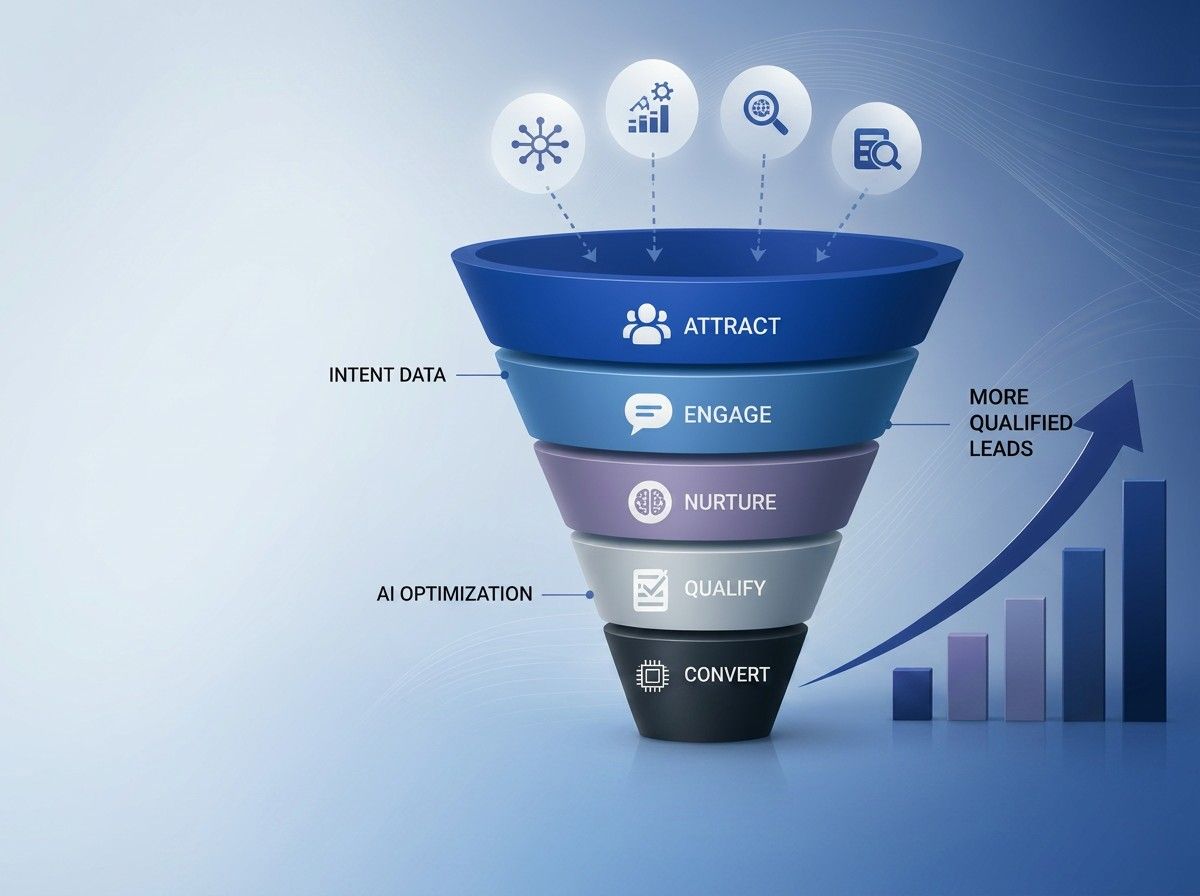
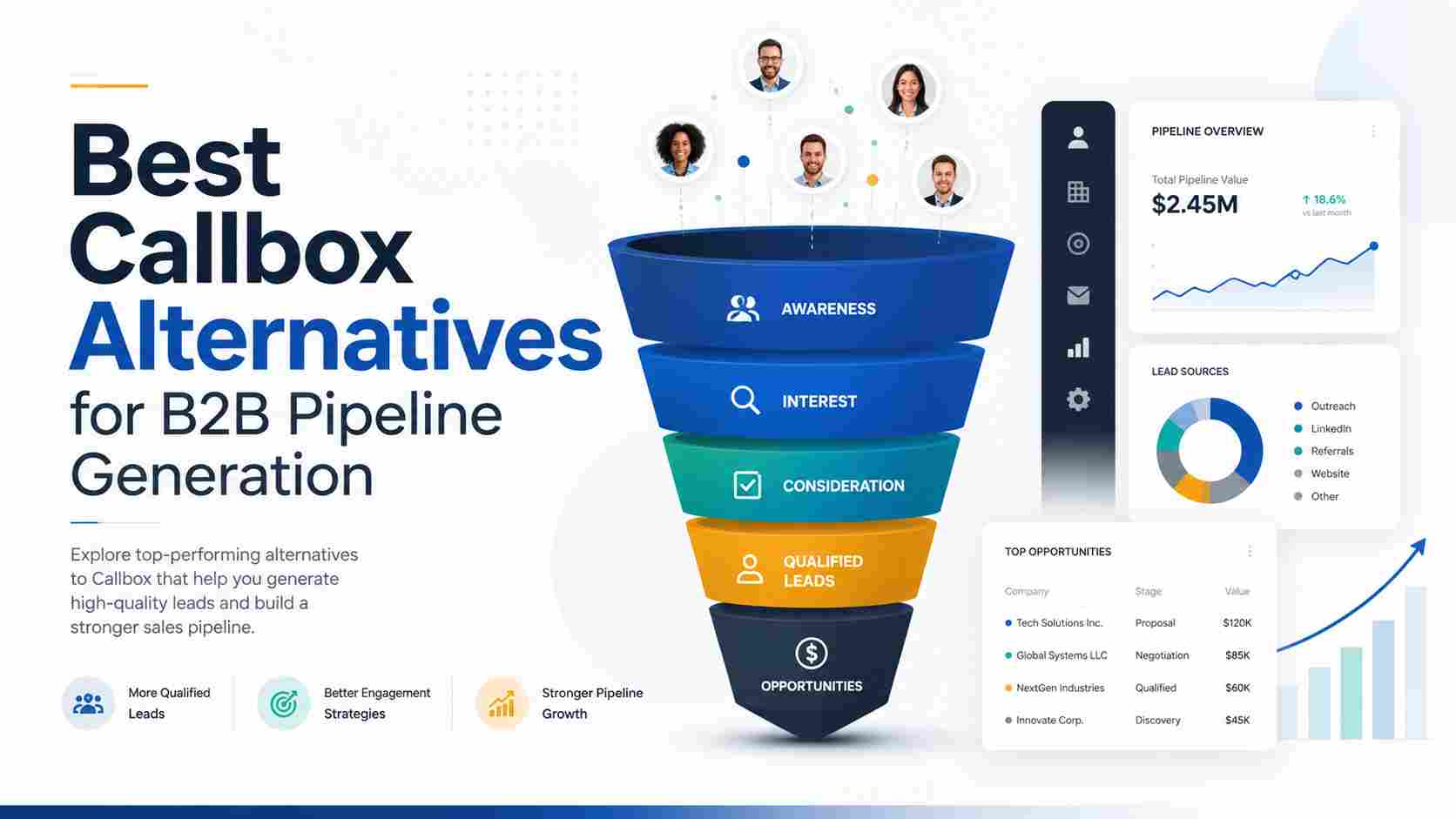
Create content aligned to awareness, consideration, and decision stages. Awareness content educates and attracts broad interest. Consideration content compares options and introduces differentiators. Decision content includes case studies, demos, or trial offers that lower friction for conversions.
Use micro-conversions to capture intent
Micro-conversions—newsletter signups, content downloads, quiz completions—help identify interested prospects before asking for full contact details. Layering progressive profiling enables richer lead records over time while reducing initial friction.
Data, privacy, and compliance: operating responsibly
Collect minimal data and document consent
Collect only the data necessary for the intended marketing purpose and document explicit consent where required. Data governance practices and clear privacy notices support compliance with regulations such as the EU General Data Protection Regulation (GDPR) and consumer protection rules overseen by agencies like the Federal Trade Commission (FTC).
For official guidance on advertising and consumer protection, consult the FTC guidance on endorsements and advertising practices: https://www.ftc.gov.
Prefer hashed or tokenized identifiers for integrations
When syncing lead data between platforms and CRM systems, prefer hashed emails or tokenized identifiers and secure transmission methods. Maintain documented data retention policies and provide easy opt-out mechanisms to support consumer rights.
Automation, CRM integration, and workflow design
Design rapid-response workflows
Faster, relevant responses improve conversion rates. Use automation to route leads by intent or value tier, trigger tailored nurture sequences, and surface high-value prospects to sales teams with prioritized lead scores.
Integrate attribution and lifecycle data
Feed social engagement, ad interactions, and conversion events into a centralized CRM or data warehouse. This enables cohort analysis, lifetime value modeling, and optimized bidding or content personalization based on downstream outcomes.
Measurement, testing, and optimization
Move beyond last-click metrics
Attribution should reflect multi-touch journeys. Use multi-touch models, incrementality testing, and holdout experiments to understand true lift from social media activities. Where possible, combine experimental approaches with statistical models to validate impact.
Continuous testing and creative iteration
Run A/B tests on headlines, creative formats, and call-to-action messaging. Test landing page flows with small-sample experiments to improve completion rates before scaling budgets.
Emerging technologies and channel tactics
Leverage conversational experiences and automation
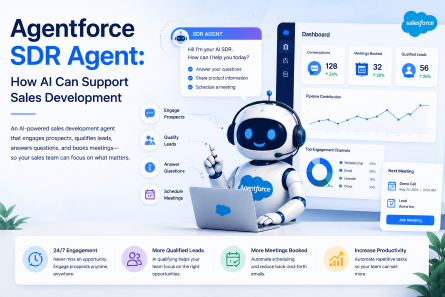
Chat-based flows and conversational landing pages can lower friction for complex purchases by letting prospects ask questions and receive tailored guidance. Combine conversational AI with clear handoffs to human agents for high-value leads.
Prepare for cookieless and privacy-centric signals
Plan for reduced reliance on third-party cookies and device identifiers by investing in first-party data capture, contextual targeting, and server-side event tracking. Robust identity resolution strategies balance personalization with privacy compliance.
Organizational practices and governance
Cross-functional alignment
Align marketing, sales, legal, and data teams on definitions of a qualified lead, data usage policies, and reporting standards. Shared dashboards and agreed SLA for lead follow-up improve conversion and accountability.
Documented playbooks and audit trails
Maintain documented campaign playbooks, tagging taxonomies, and audit trails for data transfers. Regular compliance reviews and third-party audits reduce operational risk as programs scale.
Frequently asked questions
How does social media lead generation work?
Social media lead generation captures prospect interest through targeted content, ads, or interactive experiences, then converts that interest into a contact or action (e.g., signups, downloads). The process typically uses audience targeting, landing pages or in-platform forms, lead scoring, and follow-up workflows to nurture prospects toward purchase or other desired outcomes.
What metrics indicate healthy lead generation performance?
Key metrics include conversion rate (visitor-to-lead), cost per lead (CPL), lead quality indicators (engagement, fit), lead-to-opportunity conversion, and downstream revenue or lifetime value (LTV). Incrementality and return on ad spend (ROAS) help quantify impact beyond surface metrics.
How should privacy regulations influence campaign design?
Privacy regulations require clear consent mechanisms, minimal data collection, secure data handling, and honoring data subject rights. Campaigns should include transparent privacy notices, opt-out paths, and documented consent records to reduce regulatory risk.
What role does CRM integration play in ROI measurement?
CRM integration links social touchpoints to later-stage sales outcomes, enabling more accurate ROI and lifetime value calculations. Integrations allow attribution of revenue to earlier interactions and support closed-loop optimization between marketing spend and business results.
Can small teams implement these practices?
Yes. Start with a prioritized set of tactics: define a clear funnel, capture first-party data with simple forms, set up automated nurture sequences, and measure a small set of high-value metrics. Scale complexity as capacity and results justify it.