Evidence-Based Gastrocnemius Tendinopathy Exercises and Rehab Plan
-

- March 06th, 2026
- 1,051 views
Detected intent: Informational
Introduction
The phrase gastrocnemius tendinopathy exercises describes the targeted strengthening, loading, and mobility work used to reduce pain and restore function in calf tendon overload. This guide explains why specific exercises work, how to progress them safely, and gives a ready-to-use checklist and example program for most non-surgical cases.
Summary: Start with pain-guided loading and mobility, use the Cook & Purdam tendon continuum to stage progressions, follow the CALF-REHAB checklist, and advance from isometrics to eccentric and loaded concentric exercises. Seek professional review if pain worsens or function does not improve in 6–12 weeks.
What is gastrocnemius tendinopathy and how exercises help
Gastrocnemius tendinopathy is degeneration or maladaptation of the calf tendon where it attaches above the heel, often caused by repetitive overload rather than a single acute tear. Effective exercise therapy reduces pain, improves tendon load capacity, and restores movement patterns by progressively increasing tendon tolerance through controlled mechanical stress. Rehabilitation combines mobility, isometric pain management, eccentric loading, and eventual return-to-sport conditioning.
gastrocnemius tendinopathy exercises: staged progression
Staging rehab helps avoid flare-ups and speeds recovery. The Cook & Purdam tendon continuum model is helpful for deciding whether to emphasize unloading, load management, or progressive strengthening.
Stage 1 — Pain control and early loading (0–2 weeks)
- Pain-guided rest: avoid painful uphill running and heavy plyometrics but maintain low-pain activity (walking, cycling).
- Isometric holds: standing single-leg heel raise hold (20–30 seconds x 3) at a pain level that is manageable.
- Calf mobility: ankle dorsiflexion stretches and calf soft-tissue self-massage.
Stage 2 — Strengthening and tendon capacity (2–8 weeks)
- Eccentric heel drops from a step (slow lowering, 3 sets of 12–15, modify pain tolerance).
- Seated calf raises progressing to standing with added load as tolerated.
- Balance and proprioception: single-leg stands, wobble-board progressions.
Stage 3 — Return to activity and power (8+ weeks)
- Loaded concentric–eccentric calf raises and plyometric progressions (low-height hops, then higher-intensity drills).
- Sport-specific conditioning with graded return to running or cutting.
CALF-REHAB checklist (practical framework)
Use this simple checklist each session to track progress:
- C — Control pain (use isometrics, modify load)
- A — Assess mobility (ankle dorsiflexion, calf flexibility)
- L — Load progressively (increase repetitions/weight slowly)
- F — Frequency (2–4 sessions/week targeting tendon)
- R — Record pain and function (0–10 pain scale, activity tolerance)
- E — Ergonomics/technique (running mechanics, footwear check)
- H — Home program adherence (clear daily actions)
Practical tips (actionable points)
- Start with pain-guided isometrics: 3 x 30s holds twice daily reduces pain and creates a platform for loading.
- Increase load gradually: raise load by ~10% every 1–2 weeks only if pain stays stable or improves.
- Monitor pain response: allow 24–48 hours for delayed soreness; if pain increases beyond baseline, reduce load.
- Prioritize quality over quantity: controlled, full-range movements beat rapid, sloppy reps for tendon adaptation.
- Integrate hip and ankle strengthening to correct compensatory movement patterns that overload the gastrocnemius.
Common mistakes and trade-offs
Understanding trade-offs reduces setbacks during rehab.
- Too much rest: complete avoidance reduces tendon tolerance and delays recovery. Trade-off: short-term rest for flare control vs. long-term capacity loss.
- Too aggressive loading: heavy plyometrics too early often re-irritate the tendon. Trade-off: faster conditioning vs. higher re-injury risk.
- Single-exercise focus: only doing eccentric drops ignores strength in different ranges and speeds. Combine eccentric, concentric, and isometric work for balanced capacity.
Short real-world example
A 35-year-old recreational runner with gradual calf pain reduces weekly mileage and begins a 6-week progression: isometric holds (weeks 1–2), eccentric heel drops with body weight (weeks 3–5), then adding weighted calf raises and low-impact plyometrics by week 6. Pain falls from 5/10 at baseline to 1–2/10 during activity, and the runner returns to short intervals at reduced intensity while continuing strength maintenance twice weekly.
Core cluster questions
- How long does it take to recover from gastrocnemius tendinopathy with exercise?
- Which calf exercises best target the gastrocnemius tendon?
- How to progress eccentric heel drops safely for tendon rehab?
- When should imaging or referral be considered for persistent calf tendon pain?
- How do running mechanics affect gastrocnemius tendon loading?
Evidence and trusted resources
Rehabilitation programs that use progressive loading and pain-monitoring principles are supported by tendon research and clinical guidelines. For an authoritative summary of tendon pain and management strategies, see the National Institute of Arthritis and Musculoskeletal and Skin Diseases (NIAMS) resource on tendon conditions: NIAMS.
When to see a professional
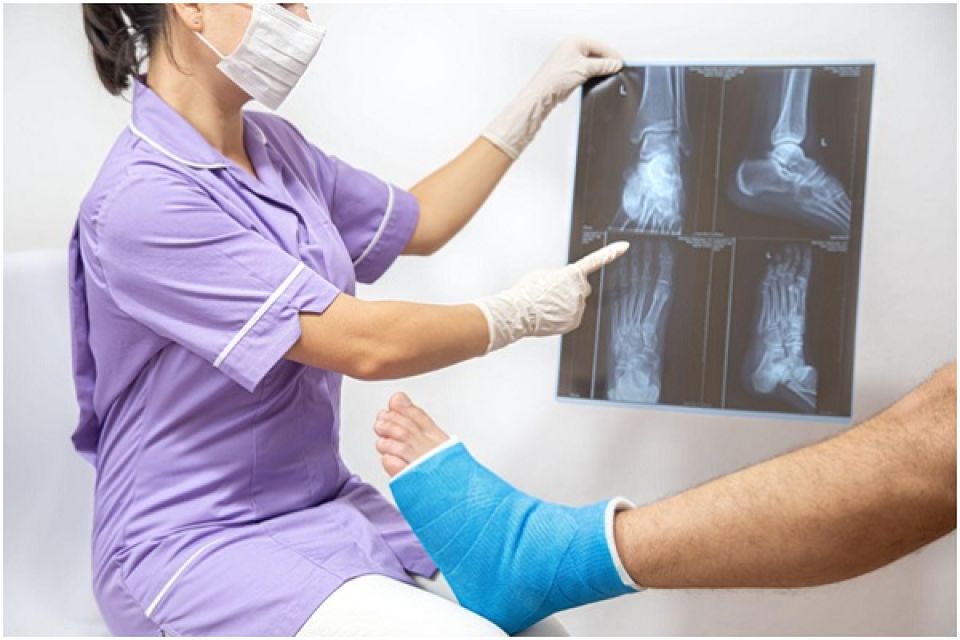
Seek a clinician if pain worsens with conservative exercise, if there is significant weakness or swelling, or if daily activities are limited after 6–12 weeks of guided rehab. A physical therapist can measure ankle dorsiflexion, calf strength, and prescribe a tailored progression while checking for biomechanical contributors.
FAQ
What are the best gastrocnemius tendinopathy exercises to start with?
Begin with pain-guided isometrics and ankle mobility, then progress to eccentric heel drops and loaded calf raises as pain allows. Prioritize controlled technique and gradual load increases.
Can gastrocnemius tendinopathy fully recover without surgery?
Most cases improve substantially with structured, progressive exercise therapy and load management. Surgery is rarely first-line and is considered when symptoms persist despite months of conservative care.
How often should the exercises be done for effective rehab?
Perform targeted tendon sessions 2–4 times per week, with additional general conditioning and mobility work on other days. Consistent, repeated loading is needed to change tendon capacity.
How long will pain last after starting gastrocnemius tendinopathy exercises?
Improvement often begins within 2–6 weeks, but meaningful return to high-load activities may take 8–12 weeks or longer depending on severity and adherence to progression. If no improvement is seen after an appropriate program, reassessment is advised.