Generative Engine Optimization (GEO): The Ultimate Guide to Boost ChatGPT Visibility
-

- Published Updated
- 8,917 views
Introduction to Generative Engine Optimization
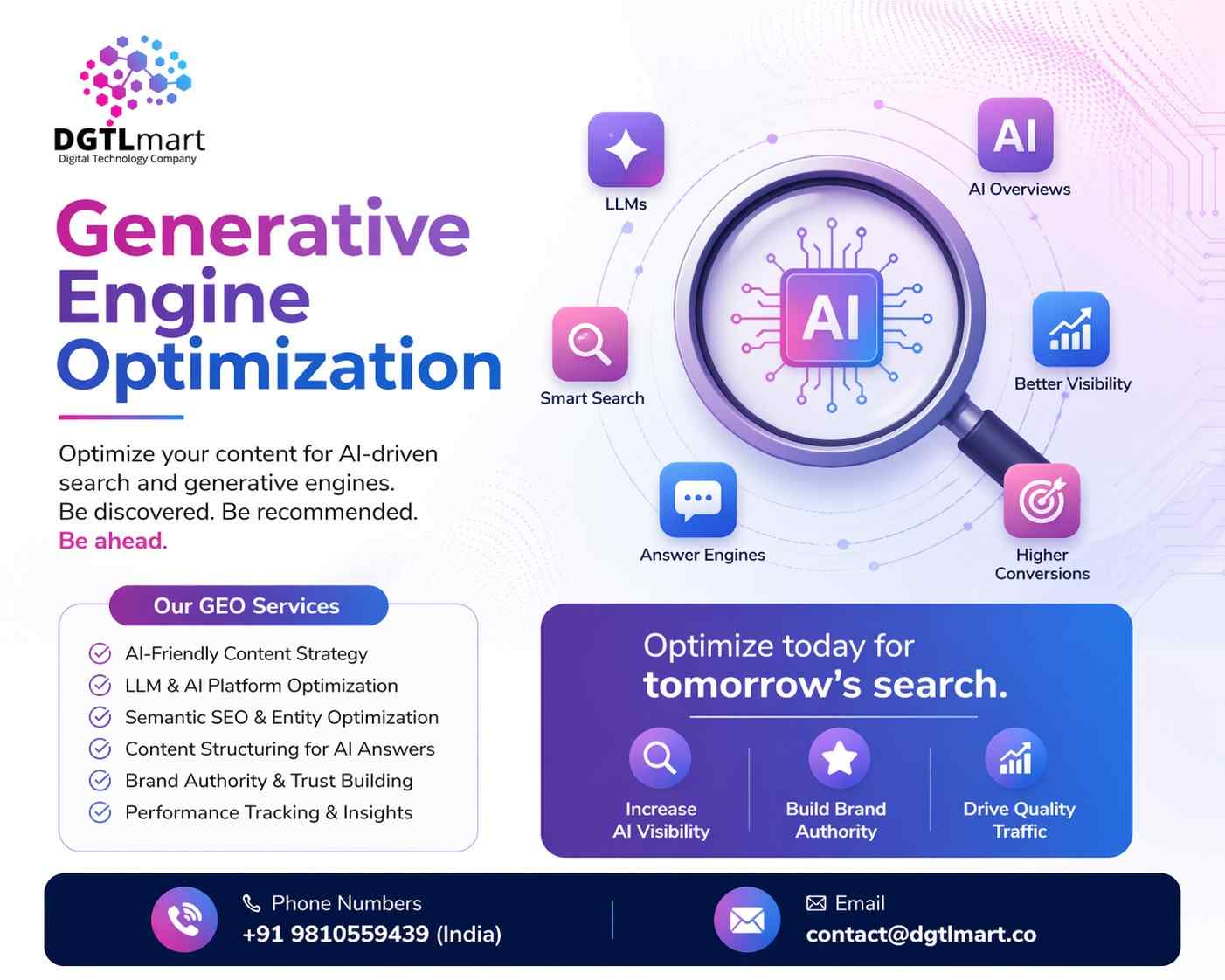
In today’s rapidly evolving digital landscape, traditional SEO is no longer enough to stay ahead. With the rise of AI-powered tools like ChatGPT and other generative engines, businesses must adapt to a new strategy known as Generative Engine Optimization (GEO). This modern approach focuses on optimizing content not just for search engines like Google, but also for AI-driven platforms that generate answers for users.
If your goal is to improve ChatGPT visibility, GEO is the key to making your brand, website, and services appear in AI-generated responses. Let’s explore how it works and why it matters.
What is Generative Engine Optimization (GEO)?
Generative Engine Optimization is the process of structuring and optimizing your content so that AI tools can easily understand, process, and include it in their responses. Unlike traditional SEO, which focuses on rankings in search engine results pages (SERPs), GEO targets AI-generated answers.
When users ask questions to AI platforms, these systems pull relevant information from various sources. If your content is optimized correctly, it has a higher chance of being referenced or influencing those responses—leading to increased ChatGPT visibility.
Why ChatGPT Visibility Matters for Businesses
AI tools are becoming the new search engines. Millions of users now rely on platforms like ChatGPT for quick answers, recommendations, and solutions. If your business is not visible in these responses, you are missing a massive opportunity.
Improving ChatGPT visibility helps:
- Increase brand awareness
- Drive targeted traffic
- Build authority and trust
- Generate high-quality leads
- Stay ahead of competitors
Simply put, GEO ensures your content is part of the AI conversation.
Key Strategies for Generative Engine Optimization
1. Create High-Quality, Informative Content
AI tools prioritize content that is clear, accurate, and valuable. Focus on creating detailed blogs, guides, and FAQs that answer real user queries.
Use simple language, structured paragraphs, and meaningful insights. Avoid keyword stuffing—focus on clarity and usefulness.
2. Optimize for Natural Language Queries
Unlike traditional SEO, GEO focuses on conversational queries. People interact with AI tools in a natural, question-based format.
For example:
- “What is generative engine optimization?”
- “How to improve ChatGPT visibility?”
Your content should directly answer such questions in a natural tone.
3. Use Structured Headings and Formatting
Well-structured content makes it easier for AI to understand your information. Use:
- H1, H2, and H3 headings
- Bullet points
- Short paragraphs
- Clear sections
This improves both readability and AI processing.
4. Focus on Topic Authority
Instead of writing random content, build authority around a specific niche. Create multiple blogs on related topics like:
- Generative Engine Optimization
- ChatGPT visibility strategies
- AI content marketing
This signals expertise and increases your chances of being referenced.
5. Keep Content Updated
AI tools prefer fresh and relevant content. Regularly update your blogs with new data, trends, and insights.
Outdated content reduces your chances of appearing in AI-generated responses.
6. Add FAQs and Direct Answers
Including FAQ sections improves your GEO strategy. AI systems often pull direct answers from such sections.
Example:
Q: What is ChatGPT visibility?
A: It refers to how often your content appears or influences responses generated by AI tools like ChatGPT.
Differences Between SEO and GEO
| SEO | GEO |
|---|---|
| Focuses on Google rankings | Focuses on AI-generated responses |
| Uses keywords heavily | Uses natural language |
| Depends on backlinks | Depends on content clarity |
| Targets SERPs | Targets AI platforms |
Both strategies are important, but GEO is the future of digital visibility.
How to Measure ChatGPT Visibility
Tracking GEO performance is still evolving, but you can measure success through:
- Increase in branded searches
- More direct traffic
- Higher engagement rates
- Mentions in AI-generated responses
- Improved content reach
Monitoring these indicators helps you refine your strategy over time.
Future of Generative Engine Optimization
As AI continues to grow, GEO will become a standard part of digital marketing. Businesses that adopt this strategy early will gain a significant competitive advantage.
Voice search, AI assistants, and smart devices will further increase the demand for optimized, AI-friendly content.
Conclusion
Generative Engine Optimization is not just a trend—it’s the future of online visibility. By focusing on high-quality content, natural language, and structured formatting, you can significantly improve your ChatGPT visibility.
Additional Tips to Boost Generative Engine Optimization
To further enhance your Generative Engine Optimization (GEO) strategy and improve ChatGPT visibility, it’s important to focus on credibility and consistency. AI engines tend to favor content that demonstrates trustworthiness and expertise. Adding author information, real examples, case studies, and data-backed insights can significantly improve how your content is perceived.
Another effective approach is internal linking. Connecting related articles on your website helps AI understand the depth of your content and strengthens your topical authority. For example, linking blogs about SEO, AI marketing, and content strategy creates a strong knowledge network.
You should also optimize your content for multi-platform presence. Publish blogs, videos, and social media posts that revolve around the same topic. This increases the chances of your content being picked up by AI systems.