How Can Global Staffing Services Help Companies Build International Teams?
-

- Published Updated
- 2,144 views

Finding qualified employees can become increasingly difficult when businesses compete for specialized skills within a limited local talent pool. As organizations expand into new markets and adopt remote and distributed work models, international recruitment has become an effective way to access a wider range of professionals.
Building teams across different countries can help businesses find specialized talent, support international expansion and create a more diverse workforce. However, hiring internationally involves more than identifying suitable candidates. Companies may also need to manage employment structures, payroll, contracts, compliance and country-specific workforce requirements.
This is where global staffing services can provide a structured solution for businesses looking to build and manage international teams.
Why Are Companies Looking Beyond Local Talent?
Businesses often look beyond their local talent markets because certain skills can be difficult to find in specific regions. Technology, engineering, finance, data analytics, cybersecurity, customer support and other specialized functions can have strong demand for experienced professionals.
International recruitment allows companies to expand their search beyond geographical boundaries. Instead of limiting hiring to candidates in one city or country, organizations can consider professionals based on their skills, experience and suitability for the position.
International hiring can also support businesses entering new markets. Employees with knowledge of local languages, business practices and customer expectations can contribute valuable market insights while helping companies establish operations in different regions.
What Do Global Staffing Services Include?
Global staffing can include several workforce solutions depending on a company's requirements. Businesses may choose different models based on their hiring goals, workforce size, project requirements and plans for international expansion.
Common services can include international headhunting, Employer of Record solutions, staff augmentation, contractor sourcing, Contractor of Record services and Build-Operate-Transfer models.
These options provide businesses with flexibility when developing their international workforce. A company that already has a candidate but lacks a legal entity in the target country may consider an Employer of Record arrangement. Businesses that require additional specialists for a project may benefit from staff augmentation.
Selecting the appropriate model can help organizations align their hiring strategy with their operational requirements.
How Does an Employer of Record Support International Hiring?
Establishing a legal entity in another country can require considerable time, administrative resources and planning. An Employer of Record can provide an alternative for companies that want to employ workers internationally without immediately establishing their own entity.
Under an EOR arrangement, the provider becomes the legal employer of the worker in the relevant country, while the client company generally manages the employee's day-to-day work and responsibilities.
Depending on the arrangement, an EOR can support areas such as payroll, employment contracts, onboarding, benefits administration and local employment requirements.
This approach can be particularly useful for companies testing a new market or hiring international employees before deciding whether to establish a permanent local presence.
When Is Staff Augmentation a Suitable Option?
Staff augmentation can help companies increase workforce capacity without building a complete internal recruitment operation. It can be useful when an organization needs additional professionals for a particular project, period or specialized function.
For example, a technology company may require additional developers to complete a project within a specific timeline. Instead of immediately hiring permanent employees, the organization could use a staffing model to access professionals with the required expertise.
Staff augmentation can provide businesses with greater workforce flexibility while helping them respond to changing project demands.
Can Companies Use Different Staffing Models?
International workforce requirements can change as a business grows. Therefore, companies do not necessarily need to rely on one staffing model throughout their expansion.
An organization may initially use international headhunting to identify suitable professionals and then use an Employer of Record arrangement to employ selected candidates. Another company may begin with contractor sourcing for a specific project before moving toward a longer-term employment structure.
For businesses planning substantial international growth, a Build-Operate-Transfer model can also provide a potential pathway. A team can be established and operated initially before eventually being transferred to the company's own entity.
This flexibility allows businesses to adjust their workforce strategy according to changing business needs.
What Are the Benefits of Building International Teams?
One of the main advantages of international hiring is access to a larger talent pool. Companies can search for professionals across multiple markets instead of relying only on local candidates.
International teams can also provide specialized expertise that may be difficult to source domestically. Professionals from different regions may bring unique technical skills, industry knowledge and market experience.
Another advantage is flexibility. Businesses can develop teams according to project requirements and business growth rather than relying exclusively on traditional local hiring structures.
International teams can also support market expansion. Employees familiar with local cultures, languages and business environments can help organizations understand new markets and serve customers more effectively.
What Should Businesses Consider Before Hiring Internationally?
Companies should carefully evaluate their workforce requirements before selecting an international staffing model. The type of talent required, target country, hiring timeline and expected team size can all influence the appropriate approach.
Businesses should also consider employment structures, payroll responsibilities, contracts, compliance requirements and long-term expansion plans. Different countries may have different employment regulations and administrative requirements, making proper planning important.
Organizations should determine whether they need permanent employees, contractors, temporary specialists or project-based professionals. Understanding these requirements early can help businesses choose a workforce model that supports their objectives.
How Can Companies Manage International Teams Effectively?
Hiring international professionals is only one part of building a successful distributed workforce. Companies also need clear communication, collaboration and performance management processes.
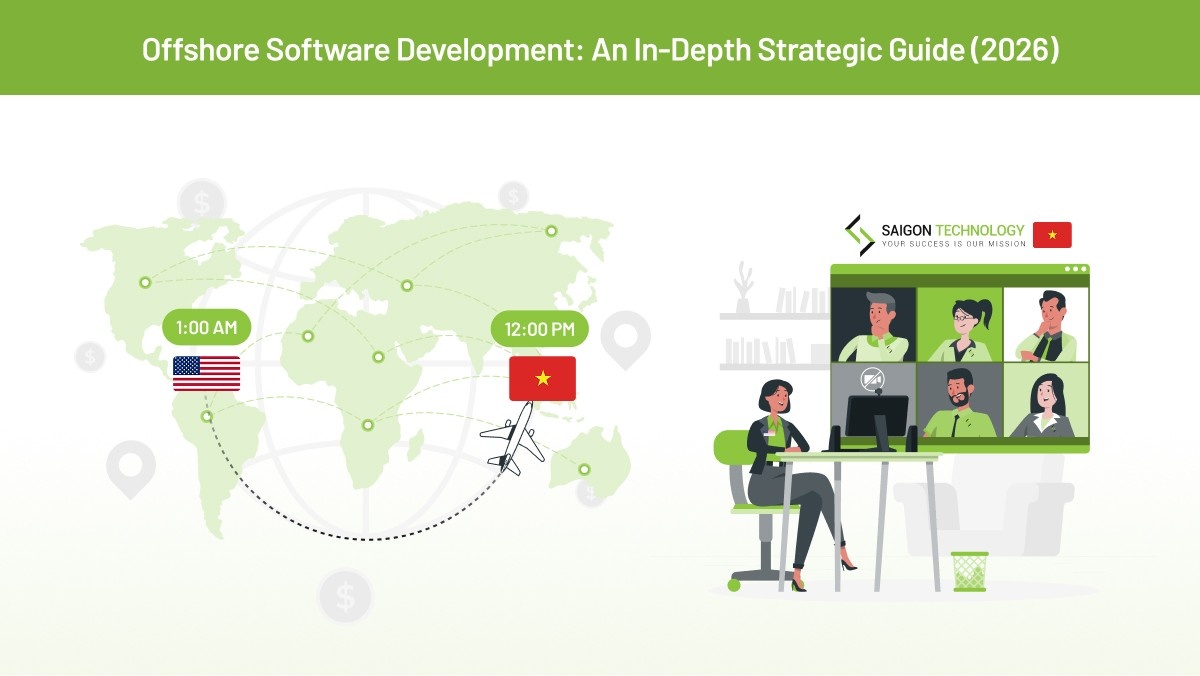
Teams working across different time zones can benefit from defined communication practices and shared schedules. Digital collaboration tools can help employees stay connected, while clearly documented responsibilities can reduce confusion.
Managers should also recognize differences in working styles and business cultures. Establishing clear expectations and maintaining regular communication can help international employees remain aligned with organizational goals.
A structured approach to workforce management can help companies create productive teams regardless of where employees are located.
Conclusion
Building an international team can help businesses access specialized talent, expand into new markets and create flexible workforce structures. However, international hiring requires careful consideration of recruitment, employment, payroll, contracts and compliance requirements.
Global staffing services can provide businesses with flexible solutions for different stages of international workforce development. Whether a company needs international recruitment, staff augmentation, contractor sourcing, an Employer of Record or a Build-Operate-Transfer model, choosing the right approach can make global hiring more efficient and manageable.
Perpetum can support businesses with flexible global talent solutions designed to help organizations build, manage and scale international teams effectively.