HydraFacial for Every Skin Type: Safe Treatment, Aftercare, and What to Expect
-

- March 05th, 2026
- 598 views
HydraFacial for every skin type is a versatile, noninvasive treatment that combines cleansing, exfoliation, extraction, and hydration in one session. This guide explains how to choose, prepare for, and care after a HydraFacial based on skin concerns—sensitivity, oiliness, acne, aging, and pigmentation—so results are predictable and safe.
Detected intent: Informational
- What it is: Multi-step, customizable facial that cleans, extracts, and infuses serums.
- Who it's for: Most skin types—protocols differ for sensitive, acne-prone, oily, dry, and pigmented skin.
- Quick takeaway: Choose settings and serums for the skin type, follow a short aftercare routine, and expect minimal downtime.
HydraFacial for every skin type: core benefits and how it works
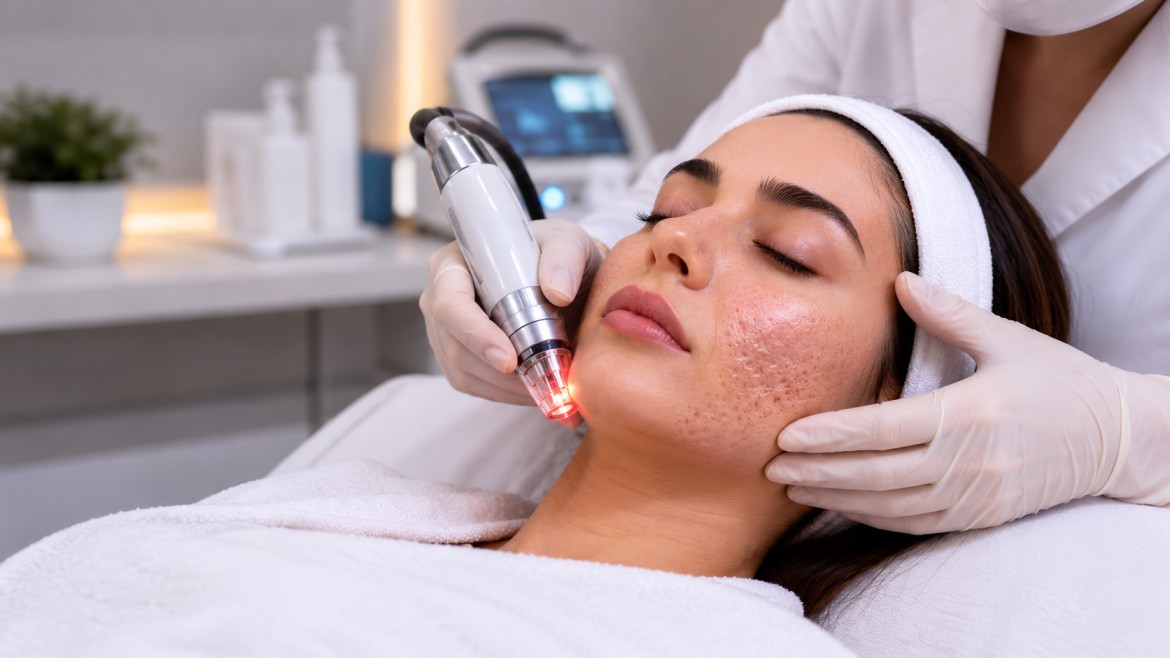
A HydraFacial combines a vacuum-based exfoliation, a chemical exfoliant (usually a low‑strength acid like glycolic or salicylic), painless extraction, and serum infusion (antioxidants, peptides, hyaluronic acid). The device’s modular nature allows providers to adjust suction, exfoliation level, and serums to match skin characteristics and goals such as hydration, brightening, or controlling oil. This versatility makes HydraFacial suitable for a broad range of skin types when protocols are tailored properly.
How skin type changes approach
HydraFacial for sensitive skin
Sensitive skin requires gentler exfoliation and non-irritating serums. Lower suction, shorter acid contact, and soothing ingredients (niacinamide, panthenol, ceramides) reduce flare risk. Avoid aggressive boosters with strong acids or retinoids immediately before or after treatment.
HydraFacial for oily and acne-prone skin
Oily and acne-prone skin benefits from deeper extraction, salicylic acid–based exfoliation, and oil-regulating serums. Expect clearer pores and reduced comedones when treatments are combined with a consistent topical regimen from a skincare professional. For active cystic acne, a provider may delay extraction and focus on gentle cleansing plus anti-inflammatory serums.
HydraFacial for dry and aging skin
Focus on hydrating serums (hyaluronic acid, peptides) and moderate exfoliation. Devices can infuse humectants deeply without provoking dryness; multiple sessions spaced appropriately improve texture and plumping.
Before and after: the GLOW Checklist (named framework)
Use the GLOW Checklist to prepare and protect skin before and after HydraFacial treatments:
- G — Gentle prep: Avoid harsh exfoliants and retinoids 5–7 days before.
- L — Listen: Disclose recent procedures, active acne, pregnancy, or medications.
- O — Opt settings: Ask the provider to match suction, acid strength, and boosters to the skin type.
- W — Wear protection: Apply sunscreen and avoid heat/sauna for 48 hours post-treatment.
Practical aftercare and HydraFacial aftercare tips
Aftercare is short but important. A standard plan improves results and minimizes irritation.
- Keep skin hydrated: Use a bland, fragrance-free moisturizer for 48–72 hours.
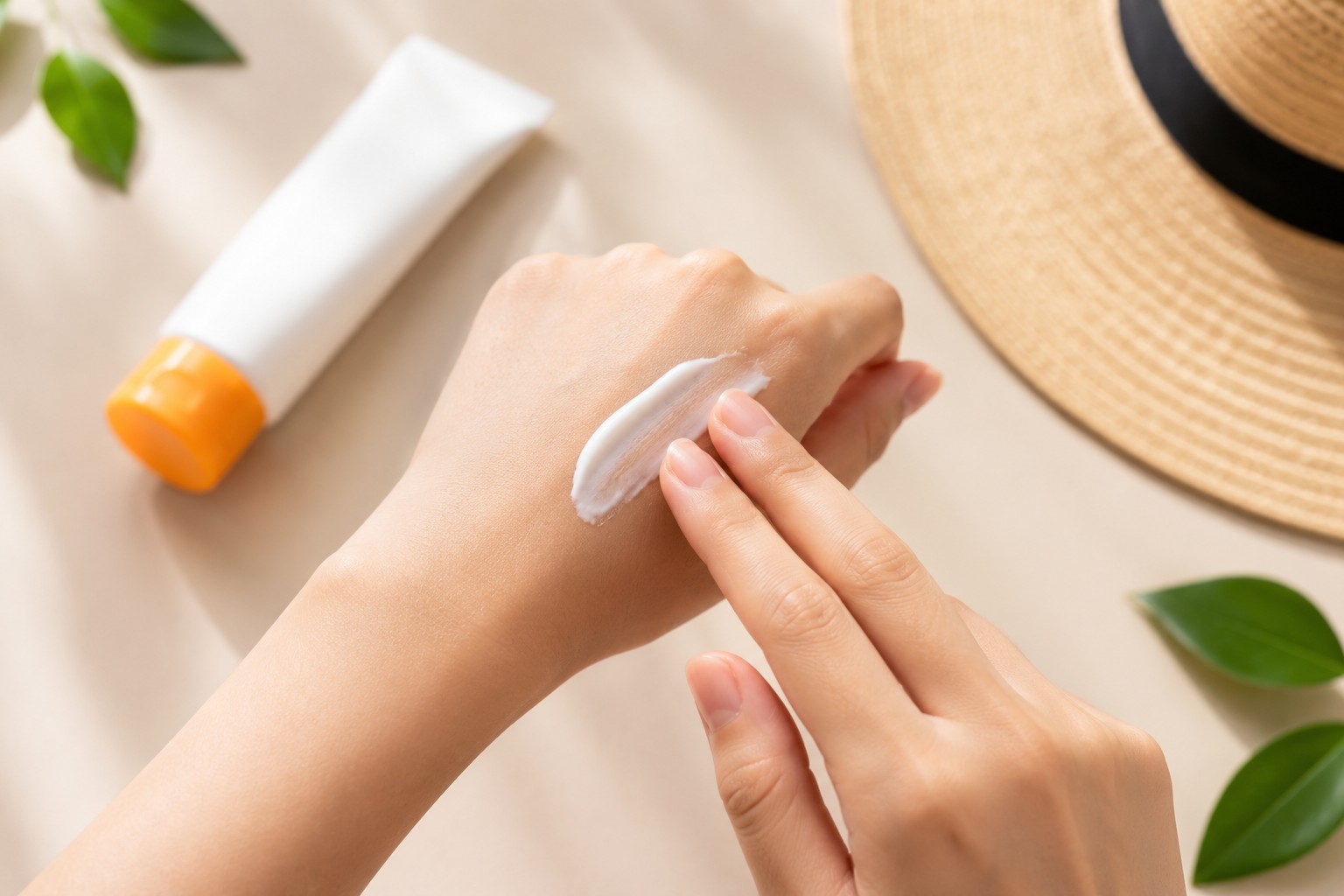
- Sunscreen: Broad-spectrum SPF 30+ every morning, starting the day of treatment.
- Avoid active ingredients: No retinoids, strong acids, or abrasive scrubs for 3–7 days.
- Avoid heat: No hot tubs, saunas, or heavy exercise for 24–48 hours to reduce sensitivity and swelling.
- Follow provider’s serum recommendations for home products to maintain effects.
Real-world example: one short scenario
Scenario: A 34-year-old with combination skin and post-inflammatory hyperpigmentation. Provider chose a moderate exfoliation with salicylic-based tip for pore clearance, followed by a brightening booster with vitamin C and a peptide/hyaluronic infusion. Post-treatment, the patient used gentle sunscreen and moisturizer; pigmentation improved after three sessions spaced four weeks apart, without irritation thanks to tailored settings.
Trade-offs and common mistakes
Choosing an aggressive protocol can speed visible results but raises irritation risk—especially for thin or rosacea-prone skin. Common mistakes include:
- Overlapping strong topical treatments right before or after a session (retinoids, prescription acids), which increases sensitivity.
- Expecting one session to solve deep scars or severe acne—HydraFacial helps surface concerns but works best in a treatment plan.
- Ignoring sun protection after treatment, which limits benefits and risks hyperpigmentation.
Practical tips for best results
- Schedule treatments at least 48 hours before important events to avoid unexpected redness.
- Bring a list of current topical medications and procedures so the provider can tailor settings safely.
- Combine professional guidance with a simple home routine: gentle cleanser, non-irritating moisturizer, and daily SPF.
- Track progress with photos under consistent lighting to assess results objectively over multiple sessions.
Safety, regulation, and when to consult a dermatologist
HydraFacial devices are used by licensed estheticians and medical providers. While generally low-risk, underlying conditions (active infections, certain inflammatory disorders, or use of photosensitizing medications) require medical evaluation. For guidance on professional skin care decisions and safety, consult resources from the American Academy of Dermatology (American Academy of Dermatology).
Core cluster questions (for related content planning)
- How does a HydraFacial compare with microdermabrasion and chemical peels?
- Is HydraFacial safe for acne-prone or rosacea-prone skin?
- What serums and boosters are appropriate for hyperpigmentation?
- How often should one get a HydraFacial for maintenance?
- What aftercare products support longer-lasting HydraFacial results?
When not to get a HydraFacial
Avoid the procedure during active cold sores, infected acne lesions, or immediately after recent laser or deeper chemical peels unless cleared by the treating clinician. Pregnant or breastfeeding patients should disclose status and medication use so serums and boosters are chosen safely.
Bottom line
HydraFacial for every skin type is achievable with simple adjustments to exfoliation, suction, and serum selection. Use the GLOW Checklist to reduce risk, follow practical aftercare, and consult a licensed provider or dermatologist for complex conditions. Expect minimal downtime, measurable improvements in hydration and texture, and best results when sessions are combined with a consistent home routine.
Is HydraFacial for every skin type safe?
Yes, when protocols are tailored; discuss medical history and current topical medications with a licensed provider before treatment.
How soon will results appear after a HydraFacial?
Immediate improvements in hydration and glow are typical; measurable changes in texture, pores, and pigmentation usually require multiple sessions spaced 3–6 weeks apart.
Can HydraFacial help acne scars and pigmentation?
It can improve surface texture and reduce superficial pigmentation, but deeper scars or severe discoloration may need adjunctive treatments (lasers, microneedling) guided by a dermatologist.
What should be avoided after a HydraFacial?
Avoid retinoids, strong acids, exfoliating scrubs, excessive heat, and sun exposure for 48–72 hours to reduce irritation and protect results.
How many sessions are recommended for maintenance?
Many people find monthly sessions for three months, then quarterly maintenance, deliver noticeable, lasting improvement—individual frequency depends on goals and skin condition.