Safe Skin Whitening Treatment: A Practical Guide to Natural Brightening
-

- Published Updated
- 676 views
Detected intent: Informational
skin whitening treatment: safe steps for a natural glow
Choosing a skin whitening treatment begins with understanding goals, risks, and realistic outcomes. This guide explains how to approach skin whitening treatment responsibly, focusing on natural skin brightening, reducing hyperpigmentation, and protecting skin health.
- Skin whitening treatment aims to reduce hyperpigmentation and even skin tone; safety and sun protection are essential.
- Prioritize evidence-based ingredients (e.g., vitamin C, niacinamide) and professional assessment for stronger procedures (chemical peels, lasers).
- Follow a structured approach: consult, evaluate, protect, and monitor results.
Core cluster questions (internal link targets for further reading):
- How do topical ingredients like vitamin C, kojic acid, and hydroquinone compare?
- What are the safest skin lightening treatment options for sensitive skin?
- How long does it take to see results from natural skin brightening routines?
- What precautions are needed after chemical peels or laser treatments for pigmentation?
- How to prevent post-inflammatory hyperpigmentation after acne or injury?
How skin whitening treatment works and what it means
Skin whitening treatment covers a range of approaches that reduce visible pigmentation by targeting melanin production or accelerating skin turnover. Common targets include melasma, sunspots, and post-inflammatory hyperpigmentation. Treatments range from topical agents (vitamin C, niacinamide, kojic acid, topical retinoids, hydroquinone under supervision) to procedures (chemical peels, microdermabrasion, fractional lasers). Understanding the mechanism—melanin regulation vs. exfoliation—helps set realistic expectations.
Assessing goals: natural skin brightening vs dramatic lightening
Define whether the aim is natural skin brightening (subtle evening and a healthy glow) or significant lightening of overall complexion. Natural skin brightening typically uses safe, daily topical care and strict sun protection. More aggressive goals often require clinical procedures administered by dermatology professionals and carry higher risk of complications like irritation or paradoxical pigmentation.
Related terms and concepts
Key terms to know: melanin, hyperpigmentation, post-inflammatory hyperpigmentation, depigmentation, topical agents (kojic acid, azelaic acid, hydroquinone), chemical peels, laser therapy, broad-spectrum sunscreen, skin barrier.
The CLEAR checklist for a safe skin whitening treatment
Use the CLEAR checklist to evaluate any plan for natural skin brightening or skin whitening treatment:
- Consult a qualified clinician: confirm diagnosis and rule out inflammatory/medical causes.
- Lifestyle and UV protection: daily broad-spectrum sunscreen, hats, and avoidance of peak sun hours.
- Evaluate ingredients: choose evidence-backed actives and avoid banned or unsafe agents.
- Apply as directed: follow concentration and frequency recommendations; patch-test new products.
- Review and monitor: document changes, watch for irritation, and adjust under professional guidance.
Practical step-by-step approach
1. Baseline assessment
Identify the pigmentation pattern and triggers. A dermatologist or licensed clinician can use Wood's lamp, history, and clinical exam to determine if acne, hormones, or sun damage are the cause.
2. Start with conservative topicals
Begin with low-irritation actives: vitamin C (antioxidant brightening), niacinamide (barrier support and pigment reduction), azelaic acid (good for inflammation-driven spots). Reserve stronger agents like hydroquinone or prescription retinoids for clinician-directed use.
3. Add procedural options carefully
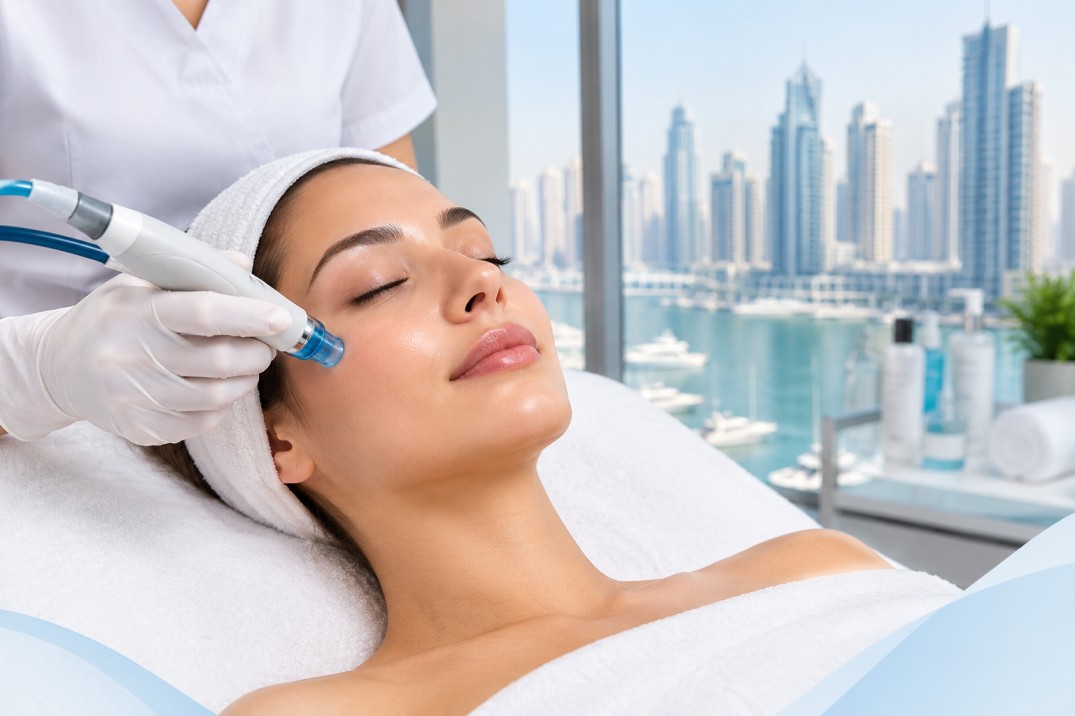
When topical treatment stalls, consider in-office procedures: superficial chemical peels, microdermabrasion, or low-fluence laser treatments. These require pre- and post-procedure sun precautions and professional selection based on skin type.
4. Protect and maintain
Sunscreen is non-negotiable: broad-spectrum SPF 30+ daily and reapplication, combined with physical barriers. Maintenance often includes gentle exfoliation and antioxidant protection.
Common mistakes and trade-offs
Understanding trade-offs reduces risk:
- Faster results vs. safety: Stronger treatments (high-concentration hydroquinone, aggressive lasers) can act faster but increase irritation and rebound hyperpigmentation risk, especially in darker skin tones.
- DIY procedures vs. professional care: At-home chemical peels or unregulated skin-lightening products may cause burns or uneven lightening.
- Ingredient stacking: Combining many active ingredients increases irritation risk; introduce one product at a time and monitor.
Practical tips for natural skin brightening
- Always patch-test a new active for 7–10 days on an inconspicuous area to check for irritation.
- Use a broad-spectrum sunscreen daily and reapply every two hours when outdoors to prevent new pigmentation.
- Incorporate gentle chemical exfoliants (low-concentration AHAs/BHAs) weekly, not daily, to improve texture while minimizing inflammation.
- Track progress with photos under consistent lighting every 4–6 weeks; adjust products based on response rather than chasing faster change.
Real-world example
Case scenario: A person in their 30s notices dark spots after acne. After consulting a clinician, a regimen was set: daily sunscreen SPF 50, topical azelaic acid 10% nightly, vitamin C serum in the morning, and monthly superficial chemical peels for 3 sessions performed by a licensed provider. Over three months the spots softened without significant irritation, and maintenance continued with sunscreen and vitamin C. This illustrates conservative, staged care focused on natural skin brightening and safety.
When to see a professional and standards to expect
Seek dermatology consultation for persistent, spreading, or changing pigmentation. Licensed clinicians follow safety guidelines and can perform diagnostic testing. For evidence-based information on dermatologic care, consult the American Academy of Dermatology for patient resources and clinical guidance.
Monitoring and realistic timelines
Topical lightening often shows gradual improvement over 8–12 weeks. Procedural gains may appear faster but require downtime and strict aftercare. Patience and consistent sun protection reliably yield the best long-term outcomes.
Practical product safety checklist
- Check ingredient lists for known irritants (fragrance, high-percentage acids) if sensitive skin is present.
- Avoid unregulated products that claim instant whitening or use undisclosed ingredients.
- Confirm professional credentials before any in-office chemical peel or laser session.
Conclusion
Skin whitening treatment can mean safe, natural skin brightening when approached with a CLEAR plan: consult, protect, evaluate ingredients, apply carefully, and review progress. Focusing on barrier health, sun protection, and evidence-backed actives reduces risks and supports sustainable results.
FAQ: What is a skin whitening treatment and is it safe?
"Skin whitening treatment" refers to methods that reduce visible pigmentation. Safety depends on the chosen approach: daily topical care and sunscreen are low risk, while stronger pharmaceuticals and in-clinic procedures require professional oversight. Appropriate selection based on skin type and medical history is essential.
How long before natural skin brightening shows results?
Typical improvement from topical regimens appears within 8–12 weeks; procedural outcomes may be faster but require strict aftercare. Continued sun protection is necessary to maintain results.
Are there safe skin lightening treatments for darker skin tones?
Yes, but caution is required. Clinician-directed low-concentration topicals, gentle chemical peels, and cautious laser settings are preferred. Darker skin has higher risk of post-inflammatory hyperpigmentation, so professional assessment is strongly recommended.
Can over-the-counter products replace professional treatment?
Over-the-counter products with evidence-backed ingredients can improve mild pigmentation and support maintenance. For extensive or stubborn pigmentation, professional evaluation and possible prescription or procedural options may be necessary.