How Do GLP-1 Medications Work?
-

- Published Updated
- 1,637 views
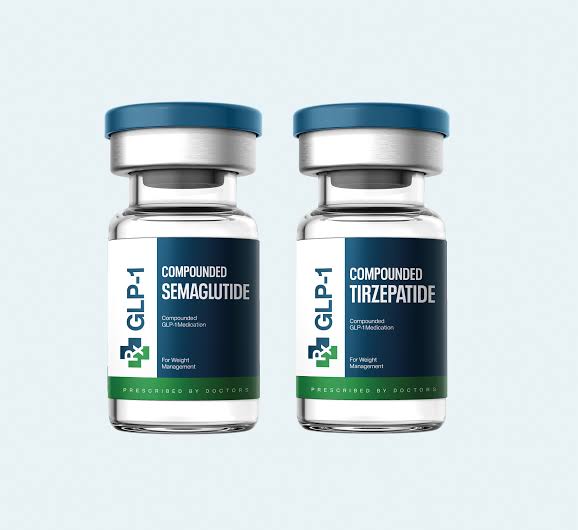
A GLP-1 medication works by mimicking the effects of the naturally occurring hormone GLP-1, which plays an important role in appetite, digestion, and blood sugar regulation. By activating GLP-1 receptors, these medications can help reduce hunger, increase feelings of fullness, slow stomach emptying, and support healthier blood glucose levels by influencing insulin and glucagon. These combined effects may reduce overall food intake and support weight management in appropriate patients. Because GLP-1 medications affect several interconnected processes in the body, they are used for specific medical conditions under appropriate healthcare supervision.
What Are GLP-1 Medications?
GLP-1 medications are prescription medicines that act on pathways involved in appetite, blood sugar regulation, digestion, and body weight. The term “GLP-1” stands for glucagon-like peptide-1, a hormone that the body naturally releases, particularly after eating.
In recent years, GLP-1 medications have received significant attention because some of them can help people manage type 2 diabetes and chronic weight management, depending on the specific medication and its approved indication.
Rather than simply acting as traditional appetite suppressants, these medications influence several physiological processes at the same time. They can affect how hungry a person feels, how quickly food leaves the stomach, how the pancreas responds to glucose, and how the body regulates blood sugar.
Some commonly discussed medications belong to the GLP-1 receptor agonist category, while newer medications may act on more than one hormone pathway. For example, some medications target both GLP-1 and GIP receptors.
The important point is that “GLP-1 medication” is not necessarily a single drug or a single treatment approach. Different medications have different active ingredients, dosing schedules, FDA-approved indications, and prescribing considerations.
For someone considering these medications, understanding how they work biologically is more useful than thinking of them simply as “weight-loss drugs.”
How Does GLP-1 Naturally Work in Your Body?
To understand how GLP-1 medications work, it helps to first understand what GLP-1 does naturally.
GLP-1 is one of several hormones involved in the body’s response to food. After you eat, specialized cells in the digestive system release GLP-1. The hormone then interacts with different systems throughout the body.
One important role of GLP-1 is helping the body respond appropriately to rising blood glucose after a meal.
GLP-1 can stimulate the pancreas to release insulin when blood glucose is elevated. Insulin helps move glucose from the bloodstream into cells, where it can be used or stored.
GLP-1 also reduces the release of glucagon, another pancreatic hormone that generally signals the liver to release glucose into the bloodstream. This effect is also dependent on glucose levels.
At the same time, GLP-1 participates in the communication between the digestive system and the brain. These signals can influence hunger, fullness, and food intake.
GLP-1 also affects gastrointestinal function, including the rate at which food moves from the stomach into the small intestine.
This combination is important because appetite and blood sugar aren’t completely separate systems. The body coordinates digestion, hormones, brain signals, and energy intake as part of one interconnected process.
GLP-1 medications essentially take advantage of these existing biological pathways. They activate GLP-1 receptors for longer or more strongly than naturally occurring GLP-1, depending on the medication.
How Do GLP-1 Medications Affect Appetite?
One of the most noticeable effects for many people taking GLP-1 medications is a change in hunger and appetite.
The brain contains networks involved in regulating hunger, food intake, reward, and satiety. GLP-1 signaling interacts with these pathways.
When GLP-1 receptor activity increases, some people experience reduced hunger and an earlier feeling of fullness during meals. They may find that they are satisfied with smaller portions or don’t feel the same need to snack between meals.
This doesn’t mean that the medication completely eliminates hunger. Hunger is a normal biological signal, and individual responses can vary considerably.
Instead, GLP-1 medications can change the intensity and frequency of appetite signals.
This distinction is important.
Traditional thinking about weight loss often focuses heavily on willpower: eat less, exercise more, and resist cravings. But appetite is influenced by biology, hormones, sleep, stress, previous weight loss, food environment, and many other factors.
By modifying certain biological signals involved in appetite regulation, GLP-1 medications can make reduced food intake more achievable for some patients.
How Do GLP-1 Medications Slow Stomach Emptying?
Another important mechanism involves gastric emptying, which refers to how quickly food moves from the stomach into the small intestine.
GLP-1 signaling can slow this process, particularly after eating.
When food remains in the stomach longer, a person may experience a stronger or longer-lasting feeling of fullness. This can influence how much food someone wants to eat during and between meals.
For example, instead of feeling hungry again soon after eating, someone may remain satisfied for longer.
This mechanism also helps explain why gastrointestinal symptoms are among the most commonly discussed side effects of GLP-1 medications. Nausea, vomiting, diarrhea, constipation, abdominal discomfort, and feelings of excessive fullness can occur, particularly when beginning treatment or increasing the dose.
The effect on gastric emptying isn’t necessarily identical for every person or every medication. It can also change over time.
This is one reason healthcare professionals generally follow specific dosing schedules rather than simply starting patients at a high dose.
It’s also important not to confuse slower stomach emptying with permanently “slowing down your metabolism.” Gastric emptying concerns the movement of food through the digestive system; it is not the same thing as metabolic rate.
How Do GLP-1 Medications Affect Blood Sugar?
GLP-1 medications also have an important role in blood glucose regulation, which is why this medication class has been closely associated with type 2 diabetes treatment.
After eating, blood glucose levels typically rise. GLP-1 receptor activation can help the pancreas increase insulin secretion when glucose levels are elevated.
At the same time, GLP-1 signaling can reduce glucagon secretion when glucose levels are high. Because glucagon can stimulate the liver to release glucose, reducing inappropriate glucagon signaling can help lower blood glucose.
The “glucose-dependent” nature of these effects is an important part of the mechanism. In simple terms, GLP-1 receptor agonists enhance insulin secretion in response to elevated glucose rather than continuously forcing the pancreas to release large amounts of insulin regardless of blood sugar.
This helps explain why GLP-1 medications can improve blood glucose control in appropriate patients with type 2 diabetes.
Blood sugar regulation can also connect back to weight management. Better control of glucose metabolism, combined with reduced appetite and food intake, can contribute to an overall change in metabolic health.
However, GLP-1 medications are not a replacement for individualized medical care. The appropriate medication, dose, and treatment strategy depend on factors such as the specific drug, medical history, other medications, and the condition being treated.
Why Do GLP-1 Medications Cause Weight Loss?
GLP-1 medications can cause weight loss because they influence several biological processes involved in hunger, fullness, food intake, digestion, and blood sugar regulation. They do not simply “burn fat” or dramatically increase metabolism. Instead, their effects can make it easier for appropriate patients to consume less energy over time while experiencing changes in appetite and satiety.
One of the most important effects of GLP-1 medications is their influence on appetite-regulating pathways in the brain. GLP-1 receptor activation can reduce hunger and increase feelings of fullness. For some people, this means they become satisfied with smaller portions or think about food less frequently. These effects can make maintaining a reduced calorie intake more manageable than relying only on conscious restriction.
GLP-1 medications can also affect gastric emptying, meaning food may move from the stomach into the small intestine more slowly. This can contribute to a longer-lasting feeling of fullness after meals. A person who previously felt hungry shortly after eating may find that the sensation of satiety lasts longer.
Another important mechanism involves blood sugar regulation. GLP-1 receptor activity can increase insulin secretion when blood glucose is elevated and reduce glucagon secretion in a glucose-dependent manner. These effects help regulate blood glucose and are particularly relevant to the treatment of type 2 diabetes.
Weight loss occurs when these physiological changes contribute to a sustained reduction in overall energy intake. Importantly, individual responses vary. Not everyone loses the same amount of weight, and the amount of weight lost can depend on the specific medication, dose, treatment duration, health conditions, lifestyle factors, and individual biology.
GLP-1 medications should therefore not be viewed as a shortcut that eliminates the need for healthy habits. Nutrition, physical activity, adequate protein intake, sleep, and resistance training can remain important components of a comprehensive weight-management strategy.
It is also important to distinguish weight loss from changes in body composition. Losing body weight does not necessarily mean losing only body fat. Some lean mass can also be lost during significant weight reduction, which is why maintaining adequate nutrition and physical activity can be important during treatment.
Why Are GLP-1 Doses Increased Gradually?
GLP-1 medications are commonly started at a lower dose and increased gradually according to the specific medication’s prescribing instructions. This process is known as dose escalation or titration. The primary reason is to help the body adjust to the medication and improve tolerability, particularly because gastrointestinal side effects can occur when treatment begins or the dose increases.
When someone first starts a GLP-1 medication, the digestive system and other biological pathways are being exposed to a new level of receptor activity. Symptoms such as nausea, vomiting, diarrhea, constipation, abdominal discomfort, and feelings of excessive fullness may occur. Starting with a lower dose can allow the body time to adapt before reaching the intended maintenance dose.
The gradual approach does not mean that a higher dose is automatically better for everyone. The appropriate dose depends on the specific medication, its approved indication, the treatment plan, and how the individual responds. Patients should follow the dosing schedule provided by their healthcare professional and the medication’s prescribing information.
Dose escalation can also help healthcare professionals determine how well a patient tolerates treatment. If significant side effects occur, the clinician may need to adjust the treatment plan rather than simply continuing to increase the dose.
Another important point is that GLP-1 medications are not interchangeable. Different medications have different active ingredients, strengths, dosing schedules, and approved uses. Therefore, a dose used for one medication cannot automatically be applied to another.
Patients should not increase their dose faster than instructed in an attempt to lose weight more quickly. Doing so can increase the risk of adverse effects without necessarily producing better results.
The gradual dosing process is therefore an important part of responsible treatment. It allows the healthcare professional and patient to balance therapeutic effects with tolerability.
For anyone starting a GLP-1 medication, the practical takeaway is simple: follow the prescribed titration schedule rather than treating dose increases as a race toward the highest available dose. If side effects become difficult to manage, patients should communicate with their healthcare professional before making any changes.
The goal of dose escalation is not simply to reach a larger number on the prescription label. It is to identify an appropriate dose that provides the intended therapeutic effect while remaining tolerable for the individual patient.
Common Side Effects of GLP-1 Medications
GLP-1 medications can provide important therapeutic benefits, but they can also cause side effects. Gastrointestinal symptoms are among the most commonly reported because these medications influence appetite and digestive processes, including gastric emptying.
Common side effects can include nausea, vomiting, diarrhea, constipation, abdominal pain or discomfort, and feelings of fullness. Some people may experience these symptoms more strongly when beginning treatment or after a dose increase. For many patients, symptoms may improve as the body adjusts, although experiences vary.

Nausea is one of the symptoms people commonly associate with GLP-1 medications. It may be more noticeable after eating large or heavy meals. Because these medications can increase feelings of fullness and influence gastric emptying, eating beyond the body’s new sense of satiety may contribute to discomfort.
Constipation and diarrhea can also occur. Staying appropriately hydrated and following individualized dietary guidance may help some people manage digestive symptoms, but persistent or severe symptoms should be discussed with a healthcare professional.
Vomiting can result in dehydration and may require medical attention if it is severe, persistent, or accompanied by other concerning symptoms. Patients should seek professional advice rather than attempting to manage significant symptoms on their own.
Not every person experiences side effects, and the severity can differ considerably. The specific medication, dose, rate of dose escalation, other medications, and individual health factors can all influence tolerability.
GLP-1 medications also have important warnings and contraindications that vary by product. Certain serious adverse events are uncommon but clinically important, which is why these medications should be used according to their prescribing information and under appropriate medical supervision.
People should contact their healthcare professional if they experience severe or persistent abdominal pain, repeated vomiting, signs of dehydration, symptoms of an allergic reaction, or other unusual or concerning symptoms.
It is also important to avoid assuming that every symptom is caused by the medication. Other health conditions, dietary changes, dehydration, infections, and other medicines can produce similar symptoms.
The best approach is to treat side effects as information that should be communicated to the prescribing healthcare professional. The clinician can determine whether symptoms are expected, whether the dose needs adjustment, or whether another evaluation is necessary.
Overall, the most common side effects of GLP-1 medications involve the digestive system. Understanding these effects before treatment can help patients know what to discuss with their healthcare team and why gradual dose escalation is commonly used.
GLP-1 vs. GIP/GLP-1 Medications
The terms GLP-1 medication and GIP/GLP-1 medication refer to treatments that work through different hormone pathways. Understanding the distinction is useful because not every medication marketed for weight management works through exactly the same mechanism.
GLP-1 stands for glucagon-like peptide-1, while GIP stands for glucose-dependent insulinotropic polypeptide, also called gastric inhibitory polypeptide. Both are incretin hormones involved in the body’s response to food.
A traditional GLP-1 receptor agonist primarily activates the GLP-1 receptor. This can influence appetite, satiety, gastric emptying, insulin secretion, glucagon regulation, and blood glucose.

A GIP/GLP-1 medication activates both GIP and GLP-1 receptors. The idea behind this dual mechanism is that two complementary incretin pathways can be targeted at the same time.
The difference is therefore not simply a matter of one medication being “stronger.” They have different pharmacological mechanisms, approved indications, dosing schedules, and clinical evidence.
Both types of medication can influence appetite and metabolic regulation, but individual responses vary. Clinical trial results can provide information about average outcomes in specific study populations, but those results do not guarantee the same outcome for every individual.
GIP and GLP-1 also have different physiological roles. GLP-1 is strongly associated with appetite regulation, gastric emptying, and glucose-dependent insulin secretion. GIP is another incretin hormone that contributes to insulin responses and interacts with metabolic pathways.
When a medication targets both receptors, its effects reflect the combined pharmacology of those pathways.
Patients should also understand that brand names, active ingredients, doses, and FDA-approved indications differ across medications. A person should not switch between products or assume equivalent dosing without guidance from a healthcare professional.
Another important consideration is that online discussions sometimes use “GLP-1” as a broad label for all modern weight-management medications. Technically, this can be misleading because some newer treatments target multiple hormone receptors.
The simplest distinction is:
GLP-1 medication → primarily targets GLP-1 receptor pathways.
GIP/GLP-1 medication → targets both GIP and GLP-1 receptor pathways.
Both approaches can play a role in managing specific metabolic conditions, but the appropriate choice depends on the individual’s medical circumstances, the medication’s approved indication, potential benefits and risks, and clinical guidance.
Who Can Take GLP-1 Medications?
Whether someone can take GLP-1 medications depends on the specific medication, its FDA-approved indication, the person’s health history, current medications, and an evaluation by an appropriate healthcare professional.
GLP-1 medications are used for specific medical conditions, including type 2 diabetes and, for certain products, chronic weight management. Importantly, not every GLP-1 medication is approved for every condition, so the medication’s individual labeling matters.
For weight management, certain medications may be prescribed to adults who meet specific clinical criteria, such as having obesity or overweight along with weight-related health conditions, depending on the particular product’s approved indication.
For type 2 diabetes, certain GLP-1 receptor agonists are approved to improve blood glucose control alongside diet and physical activity. Some products may also have additional FDA-approved indications or cardiovascular or other risk-reduction benefits.
A healthcare professional will typically consider factors such as body weight, blood glucose status, existing medical conditions, medications, allergies, previous treatment history, and potential contraindications before prescribing a GLP-1 medication.
These medicines are not appropriate for everyone. Product-specific prescribing information includes important warnings and contraindications. For example, some GLP-1-based medications carry warnings related to certain thyroid tumors and should not be used by people with particular personal or family medical histories specified in the labeling.
Pregnancy is another important consideration. Weight-loss treatment is generally not appropriate during pregnancy, and people who are pregnant, planning pregnancy, or breastfeeding should discuss medication use with their healthcare professional.
People with a history of certain gastrointestinal conditions, pancreatic problems, gallbladder disease, kidney problems, or other medical conditions may also require individualized assessment. This does not mean that everyone with these conditions automatically cannot use a GLP-1 medication; rather, the potential risks and benefits need to be evaluated.
Patients should also tell their healthcare professional about all prescription medicines, over-the-counter medications, and supplements they take. Drug interactions and overlapping effects can affect treatment decisions.
It is important not to purchase or use prescription GLP-1 medications solely because someone else has had success with them. A medication that is appropriate for one person may not be appropriate for another.
Ultimately, eligibility is not determined by popularity or social-media success stories. GLP-1 medications should be selected based on the specific FDA-approved indication, individual health circumstances, and professional medical assessment.
Frequently Asked Questions
How do GLP-1 medications work?
GLP-1 medications activate GLP-1 receptor pathways involved in appetite, digestion, insulin secretion, glucagon regulation, and blood glucose control. These effects can reduce hunger, increase fullness, and support lower food intake in appropriate patients.
Do GLP-1 medications burn fat?
GLP-1 medications should not be described as direct fat-burning drugs. Their weight-loss effects are primarily associated with changes in appetite, satiety, food intake, gastric emptying, and metabolic regulation. Reduced energy intake can lead to weight loss over time.
How quickly do GLP-1 medications work?
The timeline varies. Some people notice changes in appetite relatively early, while meaningful changes in body weight generally develop over a longer period. Dose escalation and individual response can affect the timeline.
Why are GLP-1 medications started at a low dose?
Starting at a lower dose and increasing gradually can help the body adjust and may improve gastrointestinal tolerability. The exact schedule depends on the medication and its prescribing information.
What is the difference between GLP-1 and GIP/GLP-1 medications?
A GLP-1 medication primarily activates GLP-1 receptors, while a GIP/GLP-1 medication activates both GIP and GLP-1 receptors. They therefore have different mechanisms and should not automatically be considered interchangeable.
Can people without diabetes take GLP-1 medications?
Certain GLP-1-based medications have FDA-approved indications for chronic weight management in eligible patients who do not have diabetes. However, eligibility depends on the specific medication and individual medical circumstances.
Can lifestyle changes be used with GLP-1 medications?
Yes. Depending on the treatment plan, nutrition, physical activity, resistance training, sleep, and other healthy behaviors can complement medical treatment. A comprehensive plan should be individualized with appropriate professional guidance.
Are all GLP-1 medications the same?
No. Products differ in active ingredients, dosing, administration, approved indications, effectiveness, warnings, and side-effect profiles. The term “GLP-1” is often used broadly online, but individual medications should be evaluated separately.
Conclusion
GLP-1 medications have changed the way healthcare professionals approach blood sugar management and weight management by working with the body’s natural hormone pathways. By influencing appetite, fullness, gastric emptying, insulin, and glucagon, these medications can help eligible patients reduce food intake and achieve meaningful weight loss. However, results and side effects vary from person to person, and these treatments are not appropriate for everyone. Understanding how GLP-1 medications work, why doses are increased gradually, their potential side effects, and the differences between GLP-1 and GIP/GLP-1 treatments can help patients have more informed conversations with their healthcare professionals. Used appropriately alongside a comprehensive treatment plan, GLP-1 medications can be one component of long-term metabolic and weight-management care.